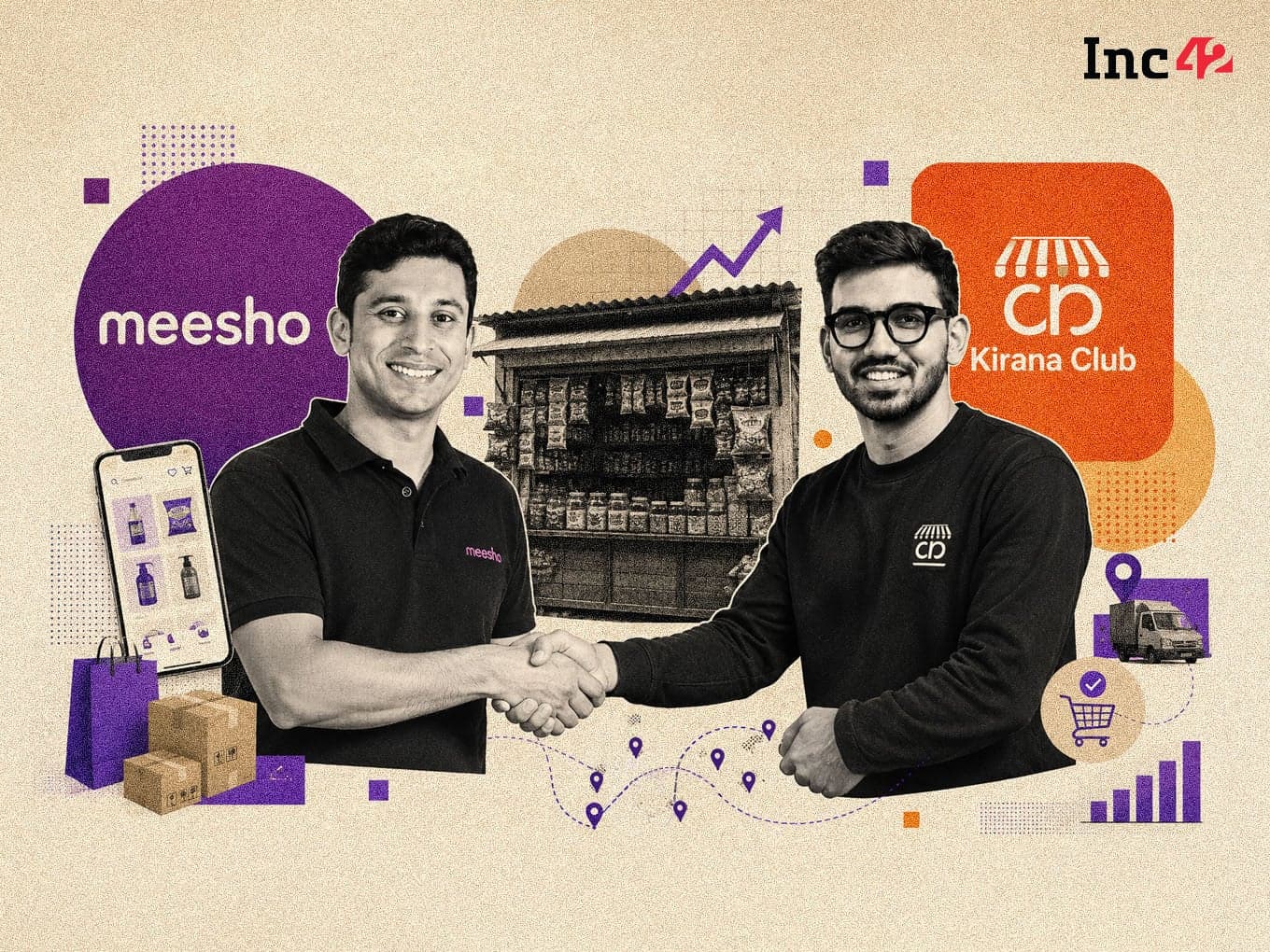
Meesho’s first acquisition announcement after the ecommerce company went public also marked its foray into B2B retail space from the…
Key Insights
10 editorial insights.
Meesho's acquisition of a B2B retail platform for ₹202 crore signifies its strategic shift towards enhancing its presence in the burgeoning kirana commerce sector. This move not only diversifies Meesho's portfolio but also positions it to leverage India's vast network of small retailers, which are crucial in the country's retail landscape.
The acquisition involves key players in the Indian e-commerce space, most notably Meesho, which has established itself as a significant player since its IPO. With over 100 million users and a focus on enabling small businesses, Meesho's entry into B2B retail is likely to catalyze further investment and innovation in this sector.
This strategic move underscores the importance of B2B commerce in India's retail evolution, where traditional kiranas are increasingly integrating digital solutions. The acquisition not only enhances Meesho's service offerings but also reflects a broader trend of tech companies seeking to bridge offline and online retail ecosystems.
For small retailers, this development could enhance access to a wider range of products and better pricing, ultimately leading to improved margins. Meesho's platform could facilitate a more efficient supply chain, enabling kiranas to compete more effectively against larger players like Reliance and Amazon.
This acquisition aligns with the growing trend of digital transformation in retail, especially in the last 12 months, where the Indian e-commerce market is projected to reach $200 billion by 2026. As small businesses adapt to online sales, companies like Meesho are well-positioned to capitalize on this evolution.
The Indian kirana market is estimated to be worth around $1 trillion, with B2B commerce expected to grow at a CAGR of over 25% in the coming years. Meesho's investment reflects its ambition to capture a share of this lucrative segment, which presents significant growth opportunities.
However, Meesho faces risks including potential integration challenges with the acquired platform and the need to ensure that the technology meets the diverse needs of kirana stores. Additionally, competition from entrenched players like Flipkart and new startups could undermine their growth strategy if not managed effectively.
Competitors in the B2B space, such as Udaan and Jumbotail, are likely to respond aggressively by enhancing their own offerings or increasing marketing efforts. This competitive pressure may lead to a race for technology improvements and customer acquisition in the rapidly evolving retail landscape.
In the coming months, regulatory scrutiny around e-commerce practices, particularly concerning data privacy and fair competition, will be crucial to watch. Changes in government policy could influence how Meesho and its competitors operate within the B2B domain, impacting future growth trajectories.
For technology professionals and investors, this acquisition signals a critical pivot towards the integration of technology in traditional retail. Understanding the implications of such moves will be vital for stakeholders looking to navigate the evolving landscape of Indian e-commerce and capitalize on emerging opportunities.
Meesho has made headlines with its recent ₹202 crore acquisition, marking its strategic entry into the B2B retail sector. This move is critical as it aims to tap into India's vast kirana market, which is largely unorganized yet crucial for everyday commerce. The decision comes at a time when the online retail landscape is evolving rapidly, and understanding this shift is essential for stakeholders.
The technical framework behind Meesho's acquisition involves leveraging advanced data analytics and supply chain optimization technologies. By integrating these capabilities, Meesho can enhance inventory management and streamline logistics for small retailers. This is crucial in a B2B context where efficiency directly impacts profit margins. The acquisition will likely enable Meesho to offer tailored solutions to kirana stores, improving their procurement processes through a user-friendly platform.
In the broader industry landscape, Meesho's entrance into the B2B space comes at a time when e-commerce is witnessing robust growth. Competitors like Flipkart and Amazon are also exploring similar avenues, focusing on the unorganized retail sector. The Indian B2B e-commerce market is expected to reach $700 billion by 2025, presenting significant opportunities. Market data indicates that retailers are increasingly adopting digital solutions, which enhances competition and service quality.
Within the Indian tech ecosystem, this acquisition could spur innovation among existing players. Companies that provide tech solutions for supply chain management or digital payment systems may see increased demand for their services as kirana stores look for ways to modernize. Additionally, it could encourage startups focused on B2B solutions to tailor their offerings for small retailers, ultimately fostering a more competitive landscape.
Key Highlights
- Meesho acquires a B2B platform for ₹202 crore to expand reach.
- Integration of advanced analytics and logistics optimization.
- Indian B2B e-commerce projected to hit $700 billion by 2025.
- Kirana stores stand to benefit from improved procurement processes.
- Watch for upcoming features in Meesho's platform within the next quarter.
Real-World Impact
Immediate effects will be felt in the retail and logistics sectors, particularly among small-scale retailers who will gain access to more efficient procurement solutions. Job roles related to supply chain management and digital marketing are likely to see growth as Meesho expands its offerings. Furthermore, tech developers focusing on e-commerce infrastructure may find new opportunities as demand increases.
Why This Matters
This acquisition signifies a strategic shift in how e-commerce platforms are expanding their business models to include B2B operations. For CTOs and developers, this means the need to adapt to new technologies that support complex supply chains and offer enhanced user experiences. Staying agile and innovative will be crucial as competition intensifies in the B2B sector.
As Meesho embarks on this new journey, the focus will be on how effectively it can integrate technology to serve kirana stores. Observers should watch for updates on the platform features and their market reception in the coming months.
Found this useful? Share it!