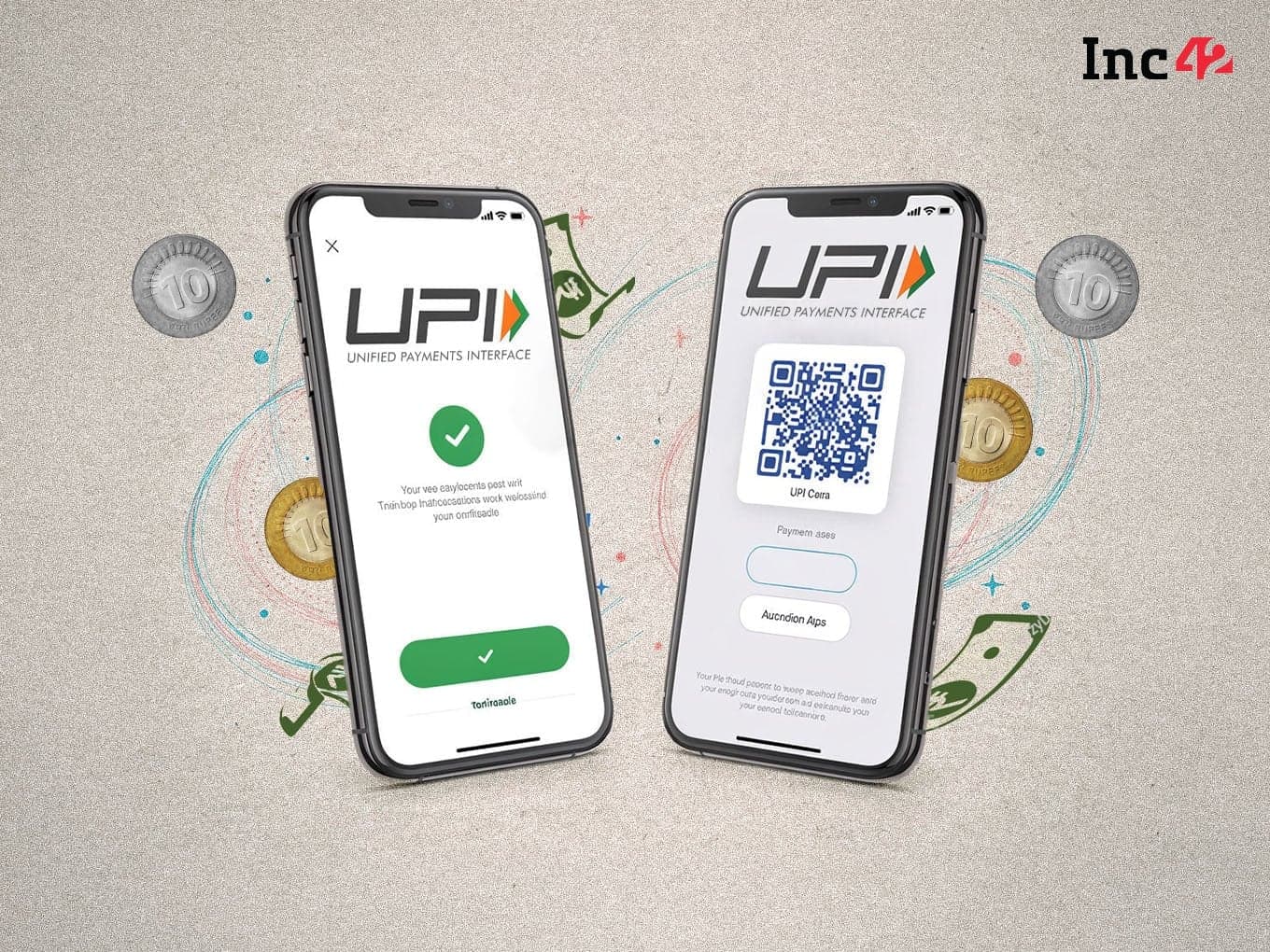
The government is mulling restoring MDR on UPI transactions for large merchants. This and more in today’s ETtech Morning Dispatch.
Key Insights
10 editorial insights.
The Indian government is considering reinstating Merchant Discount Rates (MDR) on UPI transactions for large merchants, a move that could significantly impact the country's digital payments landscape and affect various stakeholders.
Technically, MDR is a fee levied on merchants for processing digital transactions, which is typically borne by the merchant. The reinstatement of MDR on UPI transactions would require modifications to the existing payment processing infrastructure, involving updates to the transaction processing systems and settlement mechanisms.
In the broader industry context, the reinstatement of MDR on UPI transactions could lead to increased costs for large merchants, potentially affecting their profitability and competitiveness. This move could also influence the strategic decisions of players like Paytm, Google Pay, and PhonePe, which have been investing heavily in the UPI space.
In the Indian tech ecosystem, the reinstatement of MDR on UPI transactions would primarily affect large merchants, e-commerce companies, and fintech players. Companies like Flipkart, Amazon, and Reliance Industries, which have significant e-commerce and digital payment operations, would need to reassess their transaction processing costs and strategies.
Key Highlights
- Reinstating MDR on UPI transactions for large merchants
- Modifying payment processing infrastructure to accommodate MDR
- Increased costs for large merchants, potentially affecting profitability
- Fintech players like Paytm and PhonePe may need to adjust strategies
- Expected implementation timeline: subject to government notification
Real-World Impact
The reinstatement of MDR on UPI transactions would immediately affect large merchants, e-commerce companies, and fintech players, potentially altering their business strategies and cost structures. This move could also impact job roles like payment operations managers, treasury managers, and finance controllers.
Why This Matters
This development represents a significant shift in the Indian government's approach to regulating digital payments, emphasizing the need for sustainable and profitable business models. CTOs and developers should focus on building flexible and adaptable payment processing systems to accommodate potential regulatory changes.
As the Indian government navigates the complexities of digital payments regulation, one key aspect to watch is how the reinstatement of MDR on UPI transactions affects the growth and innovation of the country's fintech sector.
Deep Analysis
Multi-Source Intelligence
Found this useful? Share it!