Customer data from several prominent cybersecurity firms was among that of hundreds of potential enterprise victims.
Key Insights
10 editorial insights.
Klue is currently investigating a supply chain attack that has compromised integrations with Salesforce, affecting customer data from multiple cybersecurity firms. This incident underscores the vulnerabilities that exist within widely used platforms, highlighting the immediate need for enhanced security measures to protect sensitive information across interconnected systems.
Key players in this incident include Klue, a company specializing in competitive intelligence, and Salesforce, a leading CRM platform with millions of users globally. Their involvement is critical because any breach in these systems can lead to widespread data exposure, affecting not only the companies directly involved but also their extensive networks of clients.
This incident is strategically significant as it reveals the precarious nature of supply chain security within the tech industry. As organizations increasingly rely on third-party integrations, the potential for cascading security breaches grows, prompting a reevaluation of cybersecurity protocols and collaboration across industries to safeguard against such threats.
The business impact of this breach could be substantial, particularly for the affected cybersecurity firms who may face reputational damage and loss of client trust. Additionally, companies relying on Salesforce for their operations might experience operational disruptions, resulting in financial losses and increased scrutiny from regulators and customers alike.
This incident connects to a larger trend of escalating cyberattacks targeting supply chains, which have surged by over 300% in the past year according to various reports. As businesses become more interconnected, attackers are exploiting these relationships, making supply chain security an urgent priority for organizations across all sectors.
The market for cybersecurity solutions is projected to reach approximately $345 billion by 2026, growing at a CAGR of over 10% from 2021. Incidents like this one will likely accelerate investments in security measures, as companies seek to protect themselves from the financial and reputational fallout associated with data breaches.
One primary risk stemming from this attack is the potential for further exploitation of compromised systems, raising questions about the adequacy of current security frameworks. Additionally, the lack of transparency regarding the extent of the breach leaves organizations uncertain about their vulnerability and the potential for future attacks.
Competitors in the cybersecurity space, such as CrowdStrike and Palo Alto Networks, are likely to ramp up their marketing efforts and product enhancements to address the vulnerabilities exposed by this incident. They may also introduce new services focused on monitoring and mitigating supply chain risks, aiming to capture market share from companies affected by the breach.
In the coming 6-12 months, watch for regulatory milestones as governments worldwide may introduce stricter cybersecurity legislation in response to high-profile breaches. Additionally, organizations may be required to conduct more rigorous security audits and disclose breach details to enhance accountability and consumer trust.
For technology professionals and investors, the bottom-line significance of this incident lies in the urgent need for stronger cybersecurity measures and better risk management strategies. As the landscape of cyber threats evolves, staying ahead of these trends will be crucial for maintaining competitive advantage and ensuring the integrity of enterprise systems.
Klue, a cybersecurity firm, is currently probing a supply chain attack that has compromised integrations with Salesforce, impacting numerous enterprises. This incident underscores the vulnerability of interconnected systems and highlights the urgent need for enhanced cybersecurity measures in an increasingly interconnected digital landscape.
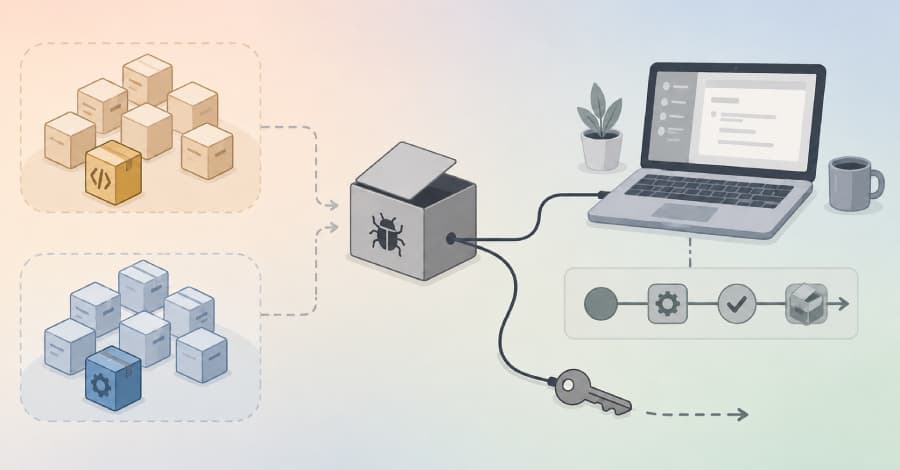
The attack reportedly exploited vulnerabilities in third-party integrations with Salesforce, a platform widely used across various industries for customer relationship management. Attackers likely gained unauthorized access to sensitive customer data, leveraging weaknesses in the supply chain of the affected integrations. This method of attack, often referred to as a supply chain compromise, allows cybercriminals to infiltrate a system indirectly, increasing the difficulty of detection and mitigation.
This incident occurs against a backdrop of rising cyber threats targeting enterprise software platforms. Recent reports suggest that supply chain attacks have surged, with attackers increasingly focusing on software vendors and their integrations as potential gateways. As companies continue to adopt cloud-based solutions, the need for robust security protocols has never been more critical, pushing cybersecurity firms to innovate and adapt to these evolving threats.
In the Indian tech ecosystem, firms like TCS and Infosys, which provide extensive digital solutions, may find themselves under increased scrutiny following this incident. Cybersecurity is of paramount importance to these companies, given their role in managing sensitive data for a wide array of clients across sectors. As companies in India strive to enhance their cybersecurity frameworks, this incident serves as a stark reminder of the vulnerabilities that exist within increasingly complex supply chains.
Key Highlights
- Klue is investigating a significant supply chain attack.
- Attackers exploited vulnerabilities in Salesforce integrations.
- The rise in supply chain attacks has increased by 300% over the past year.
- Enterprises using Salesforce integrations are most at risk.
- Expect enhanced security protocols and measures from affected firms in the coming weeks.
Real-World Impact
Roles in cybersecurity, IT management, and software development will feel immediate repercussions from this incident. Companies will need to reassess their security postures, especially those relying on third-party integrations. Industries such as finance, healthcare, and e-commerce, which heavily depend on Salesforce, are particularly vulnerable and must prioritize data protection strategies.
Why This Matters
This incident represents a broader trend of increasing sophistication in cyberattacks targeting the software supply chain. CTOs and developers must prioritize security-first approaches in their development processes, emphasizing the importance of thorough vetting for third-party tools and integrations. This shift could lead to the adoption of more stringent security standards and practices across industries.
As investigations continue, the tech community should watch for updates on new security measures from Salesforce and its partners. The fallout from this incident could lead to more stringent regulations and security mandates for software integrations.
Found this useful? Share it!