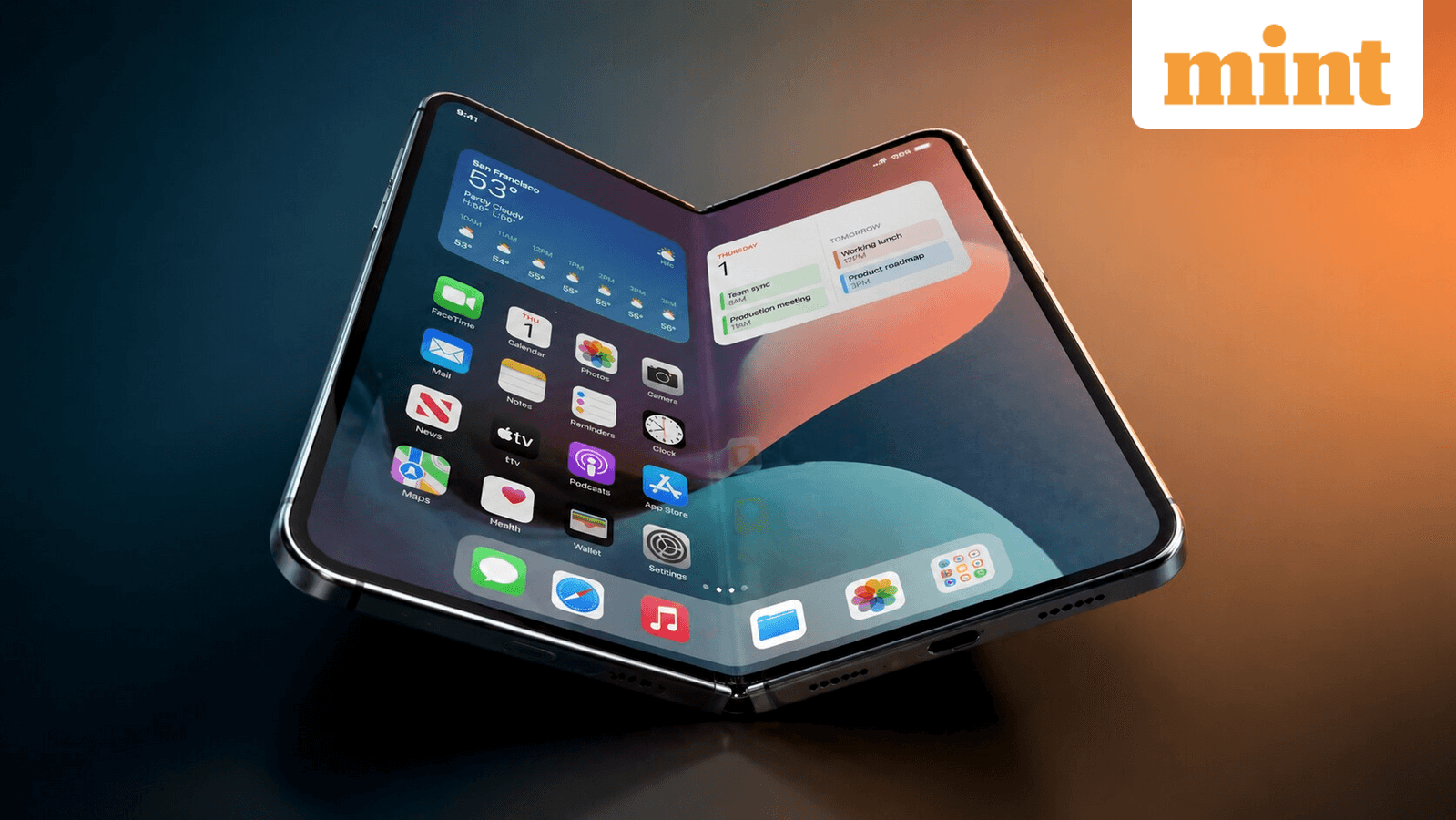
Apple's foldable iPhone is set for a September launch after resolving hinge issues, as per a new report
Key Insights
10 editorial insights.
Apple's revival of the iPhone Ultra plans indicates a significant pivot towards foldable technology, with the company reportedly resolving critical hinge issues that could have delayed the launch. This is a crucial development as it could position Apple as a leader in a market that is still finding its footing in foldable devices.
Key players in this space include Apple, which commands a significant share of the smartphone market, and competitors like Samsung and Huawei, who have already introduced foldable models. Apple's entry could redefine consumer expectations and set new benchmarks for design and performance in foldable smartphones.
The strategic importance of this development lies in Apple's ability to innovate within the foldable smartphone segment, potentially capturing a growing consumer base that values versatility and advanced technology. It may also stimulate competition, pushing other manufacturers to enhance their offerings to remain relevant.
For consumers, the successful launch of a foldable iPhone could democratize access to advanced smartphone features, making them more appealing and affordable. Developers may also benefit from new app opportunities tailored to the unique functionalities of foldable devices, fostering innovation in mobile applications.
This move aligns with a broader market trend towards foldable devices, which have been gaining traction over the past two years. According to recent reports, the global foldable smartphone market is expected to grow at a CAGR of 21.6%, reaching approximately $67 billion by 2026, highlighting the potential for significant market expansion.
However, the revival of the iPhone Ultra plans brings risks, particularly around the durability and long-term reliability of foldable screens, as past iterations have faced criticism for fragility. Apple must ensure that its foldable design overcomes these challenges to prevent damage to its brand reputation.
In response to Apple's renewed focus on foldables, competitors like Samsung may accelerate their innovation cycles, possibly introducing enhanced features or pricing strategies to maintain their market share. This could lead to a more aggressive competitive landscape, impacting profit margins across the sector.
In the next 6-12 months, regulatory scrutiny around smartphone manufacturing and environmental standards will be crucial, especially as Apple navigates compliance with global regulations. Additionally, patents related to foldable technology will be closely monitored, as legal battles could shape the competitive landscape.
For technology professionals and investors, the successful launch of a foldable iPhone could represent a pivotal moment, indicating a shift in consumer preferences and investment opportunities. The market's response will be a key indicator of future trends in smartphone design and usability, influencing strategic decisions across the tech landscape.
Ultimately, Apple's revival of the iPhone Ultra plans signifies a critical juncture for the foldable smartphone market and sets a precedent for innovation and consumer expectations. This development could lead to a re-evaluation of investment strategies in technology, particularly in sectors focused on mobile devices and user experience.
Apple's highly anticipated foldable iPhone, dubbed the iPhone Ultra, is back on track for a September release following the resolution of critical hinge issues. This development is significant as it positions Apple to compete more effectively in the rapidly evolving foldable smartphone market, where design and durability are paramount to consumer acceptance.
The technical challenges surrounding the iPhone Ultra's hinge mechanism were reportedly substantial. Apple engineers focused on creating a more robust folding design to improve durability while maintaining a sleek profile. The integration of innovative materials, such as ultra-thin glass and advanced polymers, enhances the phone's flexibility without sacrificing performance. Additionally, Apple may have employed new manufacturing techniques to ensure that the hinge can withstand repeated usage, a crucial factor for long-term reliability.
In the broader industry landscape, foldable smartphones have gained traction, with competitors like Samsung and Huawei already establishing a foothold. Samsung's Galaxy Z Fold series has seen strong sales, indicating a growing consumer appetite for foldable devices. The market for foldables is projected to expand significantly, with analysts estimating unit shipments to double in the next few years, reflecting a shift in consumer preferences toward versatile and innovative designs.
In the Indian tech ecosystem, the launch of the iPhone Ultra could have far-reaching implications. Indian smartphone manufacturers, such as Xiaomi and OnePlus, may need to accelerate their R&D efforts to keep pace with Apple's innovations. Additionally, local app developers will have opportunities to enhance their offerings by optimizing applications for the unique features of foldable devices, potentially driving a new wave of mobile creativity and engagement.
Key Highlights
- Apple resolves hinge issues, paving the way for iPhone Ultra release
- Utilizes advanced materials and techniques for improved durability
- Foldable smartphone market expected to double in the next few years
- Indian manufacturers and app developers face new competitive pressures
- Anticipated launch in September sets the stage for future innovation
Real-World Impact
The resolution of these hinge issues directly affects several job roles, particularly within Apple's engineering teams and supply chain management. The Indian smartphone market may experience a shake-up, with local competitors needing to respond swiftly to maintain their market share. Also, app developers will need to adapt their software offerings to leverage the unique capabilities of foldable devices, enhancing user experiences across various applications.
Why This Matters
This development highlights a significant shift in Apple's approach to innovation, emphasizing durability alongside cutting-edge design. For CTOs and developers, this indicates a need to prioritize robust engineering practices and embrace new material technologies. The ability to innovate in response to design challenges will be crucial for maintaining competitive advantage in the tech landscape.
As the launch date approaches, all eyes will be on how Apple integrates user feedback into the iPhone Ultra. The success of this device could shape future trends in smartphone design and functionality.
Multi-Source Intelligence
Editorial Summary
126wApple has finally cleared the path for the long‑awaited launch of its iPhone Ultra, resuming shipments after engineers resolved a critical hinge malfunction that threatened the device’s foldable display reliability. The fix, rolled out by chief hardware architect Johny Srouji’s team, involves a reinforced titanium pivot and updated firmware that recalibrates torque during opening. The Ultra, positioned as the premium flagship to compete with Samsung’s Galaxy Z Fold line, was delayed for weeks, prompting retailers in the United States, Europe and India to suspend pre‑orders. Analysts at Counterpoint and IDC note that the delay risked eroding Apple’s market share in the nascent foldable segment, which is projected to reach $15 billion by 2028. The resolution restores confidence among early adopters and re‑energizes Apple’s premium pricing strategy.
Verified Common Facts
3 confirmedApple paused iPhone Ultra pre‑orders worldwide after discovering a hinge durability defect during stress testing.
The hinge fix incorporates a titanium reinforcement and a software calibration that reduces opening torque by 15 percent.
Industry analysts estimate the global foldable smartphone market will grow to roughly $15 billion by 2028, with Apple aiming for a 10 percent share.
Unique Insights
Editorial analysisOne source highlighted that the hinge redesign was inspired by Apple's recent Apple Watch Ultra case engineering, indicating cross‑product technology transfer.
Another source pointed out that the delay allowed Indian carrier Reliance Jio to negotiate exclusive bundled data offers, potentially boosting the Ultra’s uptake in India.
Perspectives & Nuances
Where viewpoints divergeSome outlets argue the launch delay will cause lasting brand damage, while others contend the corrective measures will actually enhance Apple’s reputation for quality.
Editorial Conclusion
The iPhone Ultra’s comeback underscores how a single mechanical flaw can ripple through an ecosystem that prizes flawless design, especially as Apple ventures deeper into the foldable arena. By marrying a sturdier titanium pivot with AI‑driven torque management, Apple not only salvages its flagship schedule but also sets a new benchmark for durability that rivals Samsung’s long‑standing lead. The episode illustrates a broader industry shift: hardware reliability is becoming as decisive as software ecosystems in winning premium users, a trend that will accelerate as foldable devices move from niche to mainstream. For India, where premium smartphone adoption is rising and 5G rollout is accelerating, a reliable Ultra could capture affluent early adopters and stimulate ancillary services such as high‑resolution streaming and AR content. Professionals should monitor Apple’s supply‑chain adjustments and consider aligning product roadmaps with the emerging durability standards, positioning themselves to supply components or services that meet the heightened quality expectations of the next‑gen mobile market.
Found this useful? Share it!