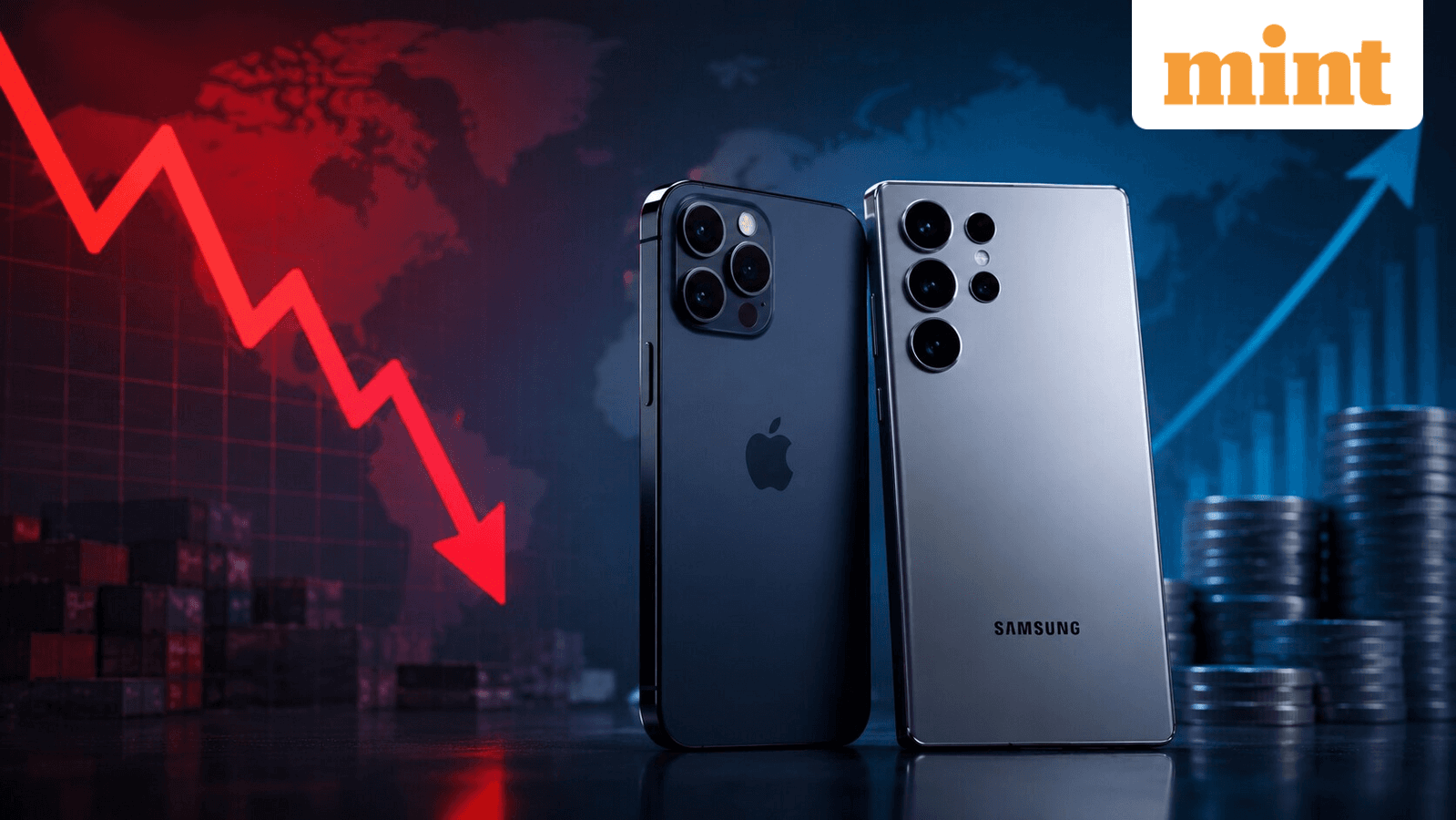
Counterpoint Research reports a 10% decline in India's smartphone shipments for the June quarter, attributed to higher prices from soaring component costs and weakened consumer demand.
Key Insights
10 editorial insights.
India's smartphone market has seen a significant downturn, with shipments declining by 10% in the June quarter, marking the lowest level in six years. This drop is largely due to escalating component prices and a corresponding decline in consumer demand, posing serious implications for manufacturers and the overall tech ecosystem.
The technical underpinnings of this decline can be traced to rising costs in essential components like semiconductors and display technologies. These increases stem from global supply chain disruptions and geopolitical tensions, which have strained manufacturing capacities. Consequently, manufacturers have either passed on these costs to consumers or reduced product offerings, impacting sales. The price-sensitive Indian market particularly feels the pinch, as consumers hesitate to invest in premium smartphones amid inflationary pressures.
In a broader context, the smartphone industry is experiencing a paradigm shift, with many brands vying for market share through budget-friendly options. Competitors like Xiaomi and Realme have diversified their product lines to include more affordable models, while premium brands like Apple and Samsung are also adjusting pricing strategies. Market analysts note that the overall trend suggests a potential shift towards mid-range devices, which are more appealing to the current consumer base.
The impact on India's tech ecosystem is profound, affecting local manufacturers and component suppliers. Companies like Lava and Micromax, which focus on budget smartphones, are particularly vulnerable as consumer preferences shift. Additionally, software developers and app creators may experience reduced user engagement, as fewer devices entering the market could lead to a stagnation in the app ecosystem, affecting innovation and development.
Key Highlights
- Smartphone shipments in India declined by 10% in Q2 2023.
- Rising component costs have pushed average smartphone prices upward.
- This decline represents the lowest sales level in six years, highlighting market volatility.
- Budget smartphone brands are likely to benefit as consumers shift preferences.
- Expect upcoming launches focused on affordability to cater to market demands.
Real-World Impact
This decline in smartphone sales directly impacts various job roles within the tech sector, including supply chain managers and sales personnel in retail. Additionally, software developers may face challenges as fewer devices mean a smaller user base to target. The ripple effects could extend to advertising and marketing professionals who rely on smartphone usage data for campaigns.
Why This Matters
This shift underscores a critical transition in consumer behavior and market dynamics, indicating a potential long-term trend towards value-driven purchasing. CTOs and developers should consider optimizing their offerings for mid-range devices to align with this evolving market landscape, focusing on cost-effective solutions and features that resonate with budget-conscious consumers.
Looking ahead, the upcoming months will reveal whether manufacturers can adapt to these shifts by introducing innovative yet affordable devices. Observing how brands respond will be crucial for stakeholders in the Indian smartphone market.
Deep Analysis
Multi-Source Intelligence
Found this useful? Share it!