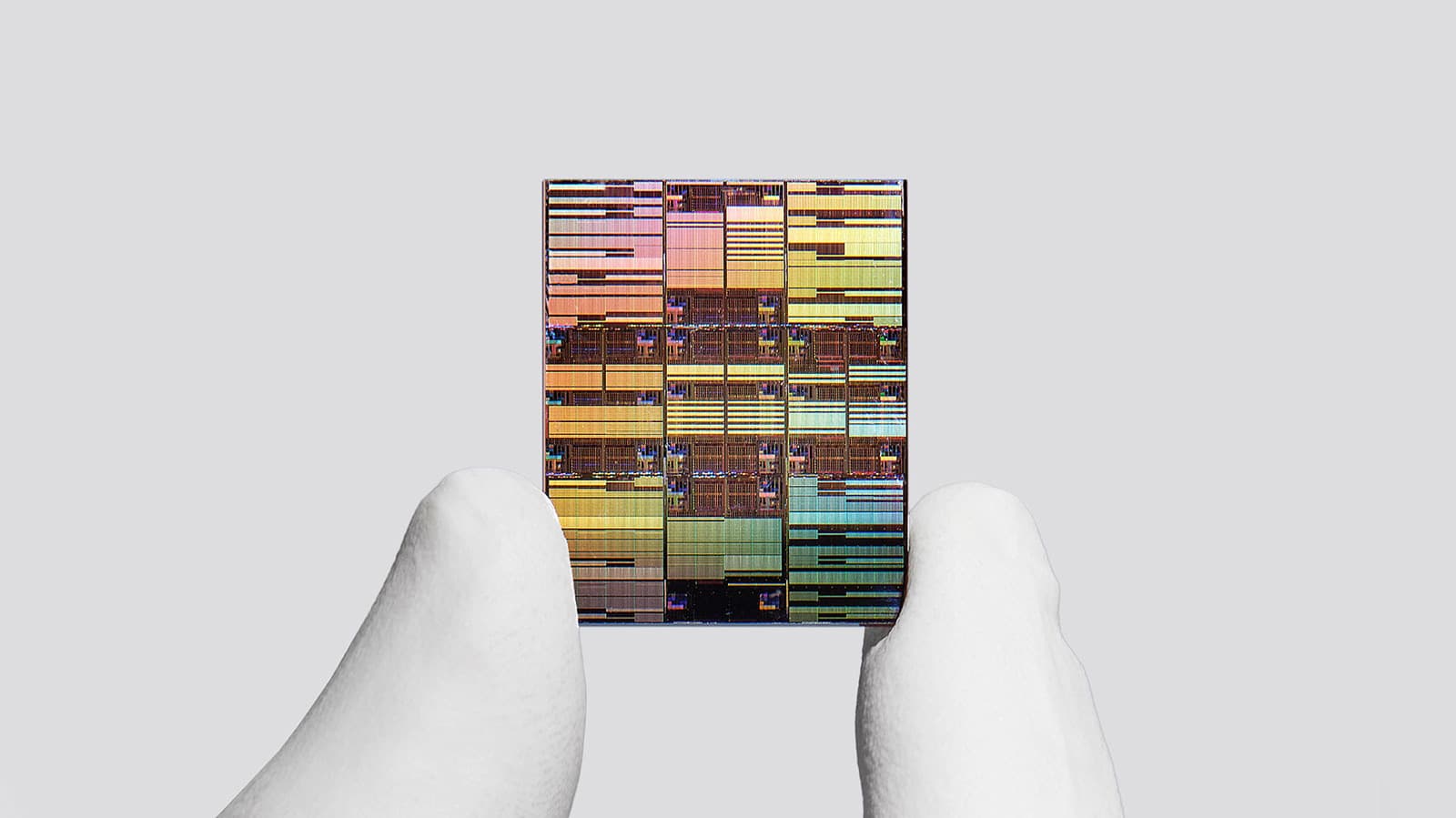
IBM says it has created the world's first sub-1 nanometer chip
Key Insights
10 editorial insights.
IBM's unveiling of the world's first sub-1 nanometer chip represents a significant leap in semiconductor technology, promising enhanced performance and energy efficiency. This breakthrough could drastically increase processing power while reducing heat generation, setting a new standard for future chip designs and applications in AI and quantum computing.
Key players in this development include IBM, a long-standing leader in semiconductor innovation, alongside academic institutions and research partners that contributed to the technology's advancement. Their collaboration underscores the importance of both corporate and academic investment in pushing the boundaries of chip manufacturing.
The introduction of sub-1 nanometer chips is strategically crucial for the semiconductor industry as it addresses the physical limitations faced by traditional silicon-based technology. This innovation not only positions IBM as a frontrunner in the tech landscape but also potentially shifts the competitive dynamics among semiconductor manufacturers, encouraging others to accelerate their own R&D efforts.
For businesses, this chip could lead to significant cost savings and performance enhancements in data centers and cloud computing environments. Developers will benefit from higher processing capabilities, enabling the creation of more sophisticated applications, while end users may experience faster, more efficient devices that cater to growing demands for speed and efficiency.
This development ties into a broader trend of miniaturization in the tech industry, which has been accelerating over the past two years as companies race to create faster chips. As the demand for AI, machine learning, and IoT devices surges, this sub-1 nanometer innovation positions IBM to better meet these needs, aligning with market trajectories toward more compact and powerful chips.
The global semiconductor market, which was valued at approximately $550 billion in 2021, is projected to grow at a CAGR of around 6% through 2028. Innovations like IBM's sub-1 nanometer chip could drive this growth further, attracting investment and accelerating advancements in related fields such as AI and edge computing.
One of the primary risks associated with this technology is the challenge of scaling production while maintaining yield and quality. There are also concerns about the potential environmental impact of new materials and processes required for sub-1 nanometer fabrication, as well as the implications for supply chains already stressed by recent global events.
Competitors such as Intel and TSMC are likely to respond aggressively by ramping up their own research and development initiatives aimed at achieving similar breakthroughs. This competition could result in increased investment in next-generation manufacturing technologies, which may further accelerate the pace of innovation across the semiconductor sector.
Over the next 6-12 months, industry watchers should keep an eye on IBM's progress in commercializing this technology and any partnerships formed to facilitate its adoption. Additionally, regulatory developments regarding semiconductor manufacturing and environmental standards could significantly influence how quickly this innovation is adopted in the marketplace.
For technology professionals and investors, the emergence of sub-1 nanometer chips signifies a pivotal moment that could redefine the landscape of computing. The potential for enhanced performance and energy efficiency may drive investment opportunities, reshape product development strategies, and influence the competitive positioning of firms within the tech ecosystem.
IBM has announced a groundbreaking achievement with the creation of the world's first sub-1 nanometer chip, marking a significant leap in semiconductor technology. This innovation is crucial as it paves the way for more powerful, efficient computing devices amid an escalating demand for advanced processing capabilities. As industries increasingly rely on AI and data-intensive applications, this development has far-reaching implications for the tech landscape.
IBM's new chip leverages cutting-edge technologies, including a novel transistor architecture that utilizes a two-dimensional material known as graphene. By employing techniques that allow for the manipulation of electronic properties at the atomic level, IBM has successfully reduced the size of transistors to below one nanometer. This enables greater transistor density, leading to enhanced performance and energy efficiency. The ability to integrate new materials into chip design is critical as the industry approaches the physical limits of silicon-based technology.
The semiconductor industry is witnessing a fierce race towards smaller chip sizes, with companies like Intel and TSMC also making strides in sub-5 nanometer technology. According to market reports, the global semiconductor market is expected to reach $1 trillion by 2030, driven by demand for high-performance computing. IBM's innovation not only positions it as a leader in this race but also challenges existing norms, potentially reshaping competitive strategies across the industry.
In India, the impact of IBM's sub-1 nanometer chip could resonate throughout the tech ecosystem. Indian semiconductor firms and startups focusing on AI, IoT, and advanced manufacturing may benefit from this technology. Companies like Vedanta and ISMC are already investing in semiconductor production, and IBM's advancements could catalyze further growth and innovation in the sector, thereby attracting global investments and partnerships.
Key Highlights
- IBM introduces the world's first sub-1 nanometer chip, revolutionizing semiconductor tech.
- The chip features transistors reduced to below one nanometer, enhancing performance.
- The global semiconductor market could reach $1 trillion by 2030, driven by demand.
- Tech companies focusing on AI and data processing stand to benefit the most.
- Expect further announcements from IBM regarding commercial applications in the coming months.
Real-World Impact
The introduction of IBM's sub-1 nanometer chip will directly affect industries relying on advanced computing, including AI development, cloud computing, and mobile technology. Job roles in semiconductor design, hardware engineering, and software development may see increased demand as companies adopt these cutting-edge technologies to enhance their products and services.
Why This Matters
This development signifies a major shift in semiconductor capabilities, challenging traditional manufacturing processes and encouraging a new wave of innovation. CTOs and developers should reassess their tech stacks and consider integrating emerging materials and architectures to stay competitive. This innovation could redefine performance benchmarks across various applications.
As IBM continues to explore the potential of sub-1 nanometer technology, stakeholders across the tech industry should watch for upcoming developments in commercial applications. This could lead to a new era in computing, where efficiency and performance redefine user experiences.
Found this useful? Share it!