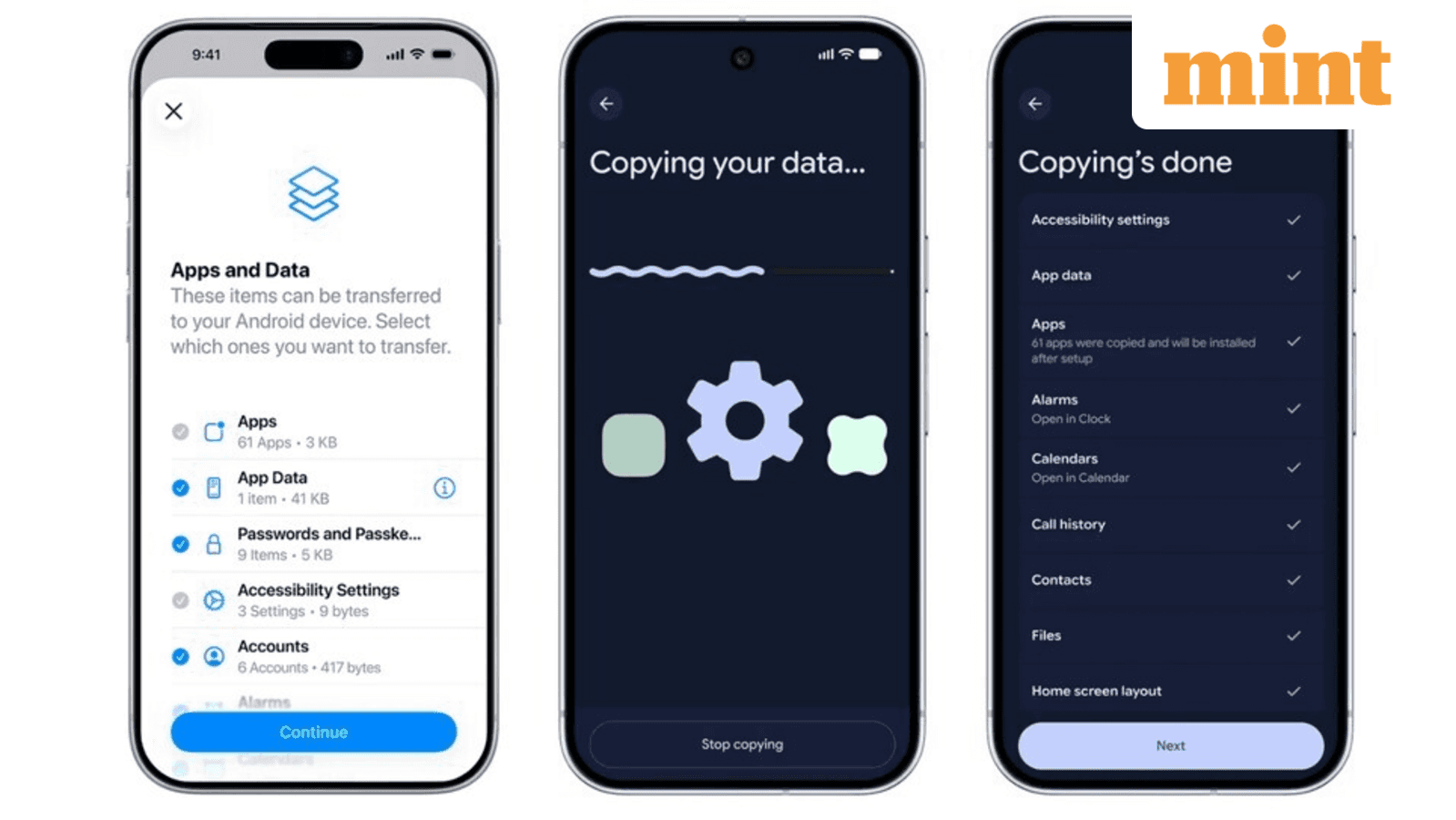
Google is making it easier to switch from iOS to Android with the new Android Switch experience.
Key Insights
10 editorial insights.
Google has unveiled Android 17, a groundbreaking update designed to simplify the transition from iOS to Android devices. This significant development is crucial as it addresses long-standing barriers for iPhone users looking to make the switch, allowing them to retain their data and preferences seamlessly. With this feature, Google aims to capture a larger share of the smartphone market by making Android more appealing to former Apple customers.
Android 17 introduces a sophisticated new functionality known as the Android Switch experience, which leverages advanced cloud-based solutions for data transfer. Users can now migrate their essential data, including contacts, photos, and app preferences, directly from iOS to Android. This process uses encrypted connections to ensure the safety of user data during the transition. Additionally, Google has enhanced its Device Transfer Tool, which now supports a wider array of file types and formats, ensuring that users do not lose critical information during the switch.
In the broader landscape, this move from Google comes at a time when competition among smartphone manufacturers is intensifying, especially in the context of increasing user mobility. As Apple continues to dominate the premium segment, Android's ability to facilitate a smooth migration could sway users who are hesitant to leave the iOS ecosystem. Market data shows that over 30% of users express concerns about the hassle of switching platforms, making this development a potentially game-changing strategy for Google.
In India, where smartphone penetration is rapidly growing, Android 17 could have a substantial impact. With a significant number of users currently on iOS, especially in urban areas, the ability to easily switch to Android may attract new customers. Indian smartphone manufacturers like OnePlus and Xiaomi could benefit from this initiative, as they often compete in the mid-range segment, appealing to users looking for value without compromising on features.
Key Highlights
- Google launches Android 17 with an enhanced iOS to Android switch
- Improved Device Transfer Tool with expanded file support
- Over 30% of users are hesitant to switch due to data concerns
- Former iPhone users stand to gain the most from seamless data migration
- Expect ongoing updates and feature enhancements in future Android releases
Real-World Impact
The immediate effects of Android 17 will likely be felt in roles related to mobile development and customer support within tech companies. Developers will need to adapt their applications to ensure compatibility with the new data transfer features, while customer service teams may see an increase in inquiries from users switching from iOS. Industries focused on mobile technology, particularly in sectors like e-commerce and social media, will also feel the impact as more users transition to Android.
Why This Matters
This shift represents a strategic pivot for Google, aiming to reduce the friction associated with platform switching, which has historically been a barrier to user adoption. CTOs and developers should take note of the importance of user experience in platform transitions, considering how to enhance their own products to facilitate similar user-friendly migrations. This could spur innovations in data management and cross-platform compatibility.
As Android 17 rolls out, one key aspect to watch will be the user adoption rates from iOS to Android. This transition could signal a significant shift in market dynamics, particularly in emerging markets where Android already holds a strong position.
Deep Analysis
Multi-Source Intelligence
Found this useful? Share it!