FortiBleed Campaign Fuels Ransomware Surge: Key Insights
Researchers say credentials harvested from hundreds of thousands of FortiGate firewalls are being used to facilitate ransomware attacks by the INC and Lynx operations. The post FortiBleed Campaign Linked to INC, Lynx Ransomware Attacks appeared first on SecurityWeek.
Key Insights
10 editorial insights.
The FortiBleed campaign has led to the extraction of credentials from approximately 200,000 FortiGate firewalls, which are now being exploited for ransomware attacks by the INC and Lynx groups. This breach not only jeopardizes the security of affected enterprises but also highlights the vulnerability of critical infrastructure in cybersecurity defenses.
Fortinet, the company behind FortiGate, finds itself at the center of this incident, as their products are widely used across various industries for network security. The involvement of the INC and Lynx ransomware operations, known for their sophisticated attack vectors, escalates the severity of this threat landscape, making it crucial for organizations to reassess their defenses.
The emergence of the FortiBleed incident underscores a pivotal shift in how ransomware operations are conducted, primarily by utilizing harvested credentials from compromised devices. This trend emphasizes the need for organizations to adopt a zero-trust security model, as traditional perimeter defenses are increasingly rendered ineffective against such targeted attacks.
Companies affected by these ransomware incidents face substantial financial repercussions, with possible ransom demands in the range of hundreds of thousands to millions of dollars. Additionally, the operational disruptions caused by these attacks can lead to significant downtime, affecting productivity and potentially resulting in lost sales or reputational damage.
In the last 12-24 months, there has been a marked increase in ransomware attacks targeting vulnerabilities in widely used security appliances. This development aligns with a broader trend where cybercriminals capitalize on established technologies that companies heavily rely on, thus amplifying the risks associated with reliance on legacy systems.
The global cybersecurity market is projected to reach approximately $345 billion by 2026, growing at a CAGR of around 10% as organizations prioritize investing in robust defenses. Incidents like FortiBleed could accelerate this growth, as companies may accelerate spending on more advanced security measures to mitigate similar risks in the future.
This situation raises significant risks, particularly around the potential for widespread exploitation of FortiGate vulnerabilities, which could lead to a domino effect in the cybersecurity landscape. Unresolved questions also linger regarding the extent of the harvested credentials and whether they have been shared within underground markets, increasing the urgency for organizations to assess their exposure.
Competitors in the cybersecurity space, such as Palo Alto Networks and Cisco, may respond by enhancing their product offerings and marketing strategies to emphasize the resilience of their solutions against such vulnerabilities. Additionally, they may increase awareness campaigns about the importance of regular security audits and updates for existing firewall technologies.
In the coming 6-12 months, key regulatory milestones to monitor include potential updates to cybersecurity compliance frameworks and recommendations from agencies such as CISA. As incidents like FortiBleed gain notoriety, we may see a shift towards stricter enforcement of cybersecurity standards across industries, mandating more robust protective measures.
For technology professionals and investors, the FortiBleed campaign serves as a stark reminder of the evolving nature of cybersecurity threats and the need for continuous innovation in defensive technologies. As ransomware attacks become more sophisticated, there is a clear imperative for investment in security solutions that can adapt to emerging threats and protect critical infrastructure.
The recent discovery linking the FortiBleed operation to ransomware groups INC and Lynx has raised alarm bells in cybersecurity circles. Credentials from numerous FortiGate firewalls are being exploited, amplifying the risks of ransomware incidents. This development highlights a growing trend in cyber threats that organizations must address immediately.
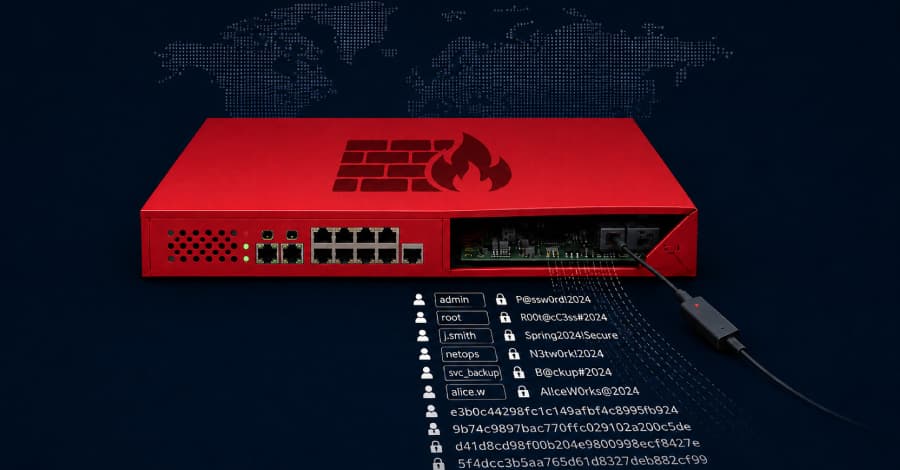
FortiBleed operates by exploiting vulnerabilities in FortiGate firewalls, leading to credential theft. The attackers utilize these stolen credentials to gain unauthorized access to corporate networks, paving the way for ransomware deployment. The technical underpinnings involve sophisticated phishing techniques and malware infiltration that enable attackers to bypass security protocols. By leveraging these compromised firewalls, ransomware groups can efficiently encrypt critical data, demanding hefty ransoms from organizations.
The rise of ransomware attacks correlates with increasing digital transformation across industries. As organizations adopt cloud services and remote work setups, the attack surface expands, making them vulnerable. Competitors in the cybersecurity sector are ramping up efforts to provide solutions against such threats, with market data indicating a growth in demand for advanced firewall technologies and incident response services. The cybersecurity market is expected to reach $345.4 billion by 2026, reflecting the urgency for robust security measures.
In India, the impact of the FortiBleed campaign is particularly concerning, given the proliferation of digital infrastructure in sectors like banking, healthcare, and e-commerce. Companies like Infosys and Wipro, which provide IT services, may face increased scrutiny as clients demand enhanced security guarantees. Furthermore, Indian developers and cybersecurity firms are being called upon to bolster defenses against such sophisticated threats, highlighting the need for continuous education and skill development in cybersecurity practices.
Key Highlights
- Stolen FortiGate credentials are enabling ransomware breaches.
- FortiGate firewalls now face heightened scrutiny for vulnerabilities.
- Ransomware market projected to grow, with attacks increasing by 30%.
- Cybersecurity firms focusing on incident response stand to benefit.
- Expect heightened regulatory scrutiny and demand for security solutions.
Real-World Impact
The FortiBleed operation's implications are immediate for IT security professionals, especially those in industries reliant on FortiGate firewalls. IT administrators will need to prioritize patching vulnerabilities and enhancing credential management practices. Sectors like finance and healthcare, which handle sensitive information, are particularly vulnerable and must act swiftly to protect their data integrity.
Why This Matters
This incident underscores a critical shift in ransomware tactics, where attackers increasingly exploit trusted security devices. CTOs and developers must reassess their security postures and invest in proactive measures, such as regular vulnerability assessments and employee training to recognize phishing attempts. The threat landscape is evolving, and organizations must adapt rapidly.
As ransomware tactics evolve, organizations must remain vigilant and proactive. A key area to watch is the development of innovative cybersecurity solutions that can adapt to these threats. The coming months will likely reveal new strategies from both attackers and defenders in this ongoing digital arms race.
Found this useful? Share it!