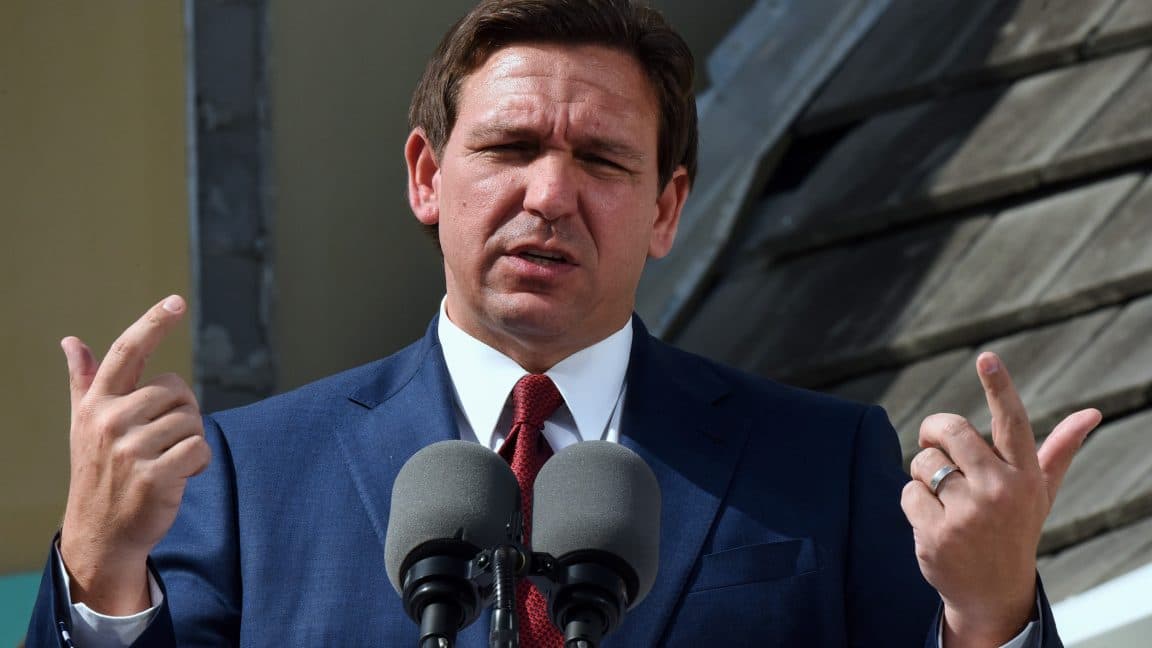
Gov. Ron DeSantis calls it a crackdown on "radical climate policies."
Key Insights
10 editorial insights.
Florida's recent legislation prohibits local governments from pursuing net-zero emissions initiatives, a move spearheaded by Governor Ron DeSantis. This action is significant as it sets a precedent that could hinder local climate action efforts, potentially stalling progress in emissions reduction at a time when many states are advancing such policies.
Key players in this scenario include Governor Ron DeSantis and the Florida state legislature, who argue that local regulations can stifle economic growth and impose burdensome costs. Their influence in shaping Florida's environmental policy reflects a broader trend among conservative leaders seeking to challenge federal climate initiatives, which could affect national discourse on climate change.
This development is strategically vital as it signals a potential shift in how states may regulate climate initiatives, possibly discouraging companies from investing in renewable projects in Florida. By curtailing local government authority, the state may inadvertently delay the transition to sustainable practices that many businesses are now prioritizing for long-term viability.
For businesses, particularly in renewable energy sectors, this ban could lead to a reduction in local investments in solar and wind projects. Companies like NextEra Energy, which heavily invest in clean energy, may find their growth strategies hindered, impacting job creation and innovation in Florida's green technology market.
This legislative action connects to a larger trend where states with conservative leadership are resisting aggressive climate policies. Over the past two years, there has been a noticeable divide between states pushing for net-zero targets and those pushing back, with Florida's stance showcasing the friction in U.S. climate policy implementation.
The renewable energy market is projected to grow significantly, with the global market size for renewable energy expected to reach approximately $1.5 trillion by 2025. Florida's decision could impact its share in this growing market, especially as states with supportive policies attract more investments in green technologies.
This law raises several risks, including the potential for legal challenges from environmental groups or local governments seeking to override state control. Moreover, it creates uncertainty for businesses that rely on local incentives for renewable projects, complicating long-term planning and investment strategies.
Competitors in neighboring states may seize this opportunity to attract businesses and investments that favor more progressive climate policies. For instance, companies may relocate or expand operations in states like California or New York, where local governments are empowered to implement aggressive climate initiatives.
In the next 6-12 months, stakeholders should monitor potential legal challenges to this legislation, as well as any responses from local governments seeking to circumvent these restrictions. Additionally, the upcoming legislative sessions may introduce further discussions on state versus local control of environmental policies.
Ultimately, this situation presents significant implications for technology professionals and investors. As the renewable energy landscape evolves, understanding the regulatory environment will be crucial for making informed investment decisions, as states with restrictive policies may not provide the growth potential seen in more progressive markets.
Florida Governor Ron DeSantis has enacted a law that restricts local governments from pursuing net-zero emissions targets. This legislation is a significant move against what the Governor refers to as 'radical climate policies,' reflecting a growing trend among some U.S. states to resist aggressive climate initiatives. Understanding this shift is crucial for stakeholders in sustainability and urban planning, especially as climate action becomes increasingly contentious.
The new Florida law prohibits local authorities from setting net-zero emissions as a goal, effectively curtailing efforts to combat climate change at the municipal level. This legislation operates on the premise that state-level governance should have the final say over climate action policies, limiting local autonomy. Technically, this could impede the implementation of renewable energy projects and sustainability programs that require local government buy-in to achieve ambitious carbon reduction targets.
In the broader context, Florida's action mirrors similar legislative moves across several other U.S. states, where conservative administrations are pushing back against federal climate initiatives. The reduction in local climate policies could hinder innovation within the green technology sector, as companies may find fewer supportive environments for experimentation and implementation. Market analysts suggest this trend could slow investments in renewable energy, creating a ripple effect across industries dependent on clean technology advancements.
In India, the implications of Florida's legislation could resonate within its burgeoning clean tech sector. Companies like Tata Power and ReNew Power are heavily focused on achieving sustainability through ambitious renewable energy targets. If similar legislative resistance emerges in Indian states, it could stall progress in achieving national climate goals. Indian developers may need to reassess their strategies to navigate such regulatory landscapes if they were to expand operations abroad.
Key Highlights
- Florida's law restricts local net-zero emissions initiatives
- Local governments can no longer pursue ambitious climate goals
- Potential slowdown in renewable energy investments by 15-20%
- Conservative administrations benefit by consolidating climate policy control
- Expect increased advocacy for state-level climate legislation in other regions
Real-World Impact
The immediate effects of this law are likely to affect roles in urban planning, environmental policy, and renewable energy sectors. Local governments may face challenges in implementing climate-friendly initiatives, leading to job losses in sectors reliant on such policies. Additionally, community activists and organizations focused on climate action may find their efforts significantly hindered.
Why This Matters
This legislation represents a broader ideological shift concerning climate responsibility, as it prioritizes state control over local initiatives. For CTOs and developers, this could mean a reevaluation of project feasibility in regions where local climate policies are stifled. The focus may shift toward adaptable technologies that comply with varying regulations while still promoting sustainability.
As states like Florida tighten control over local climate policies, stakeholders should closely monitor how this trend evolves. Future legislative developments may inspire a nationwide dialogue on climate responsibility and governance, with potential implications for both environmental and economic outcomes.
Found this useful? Share it!