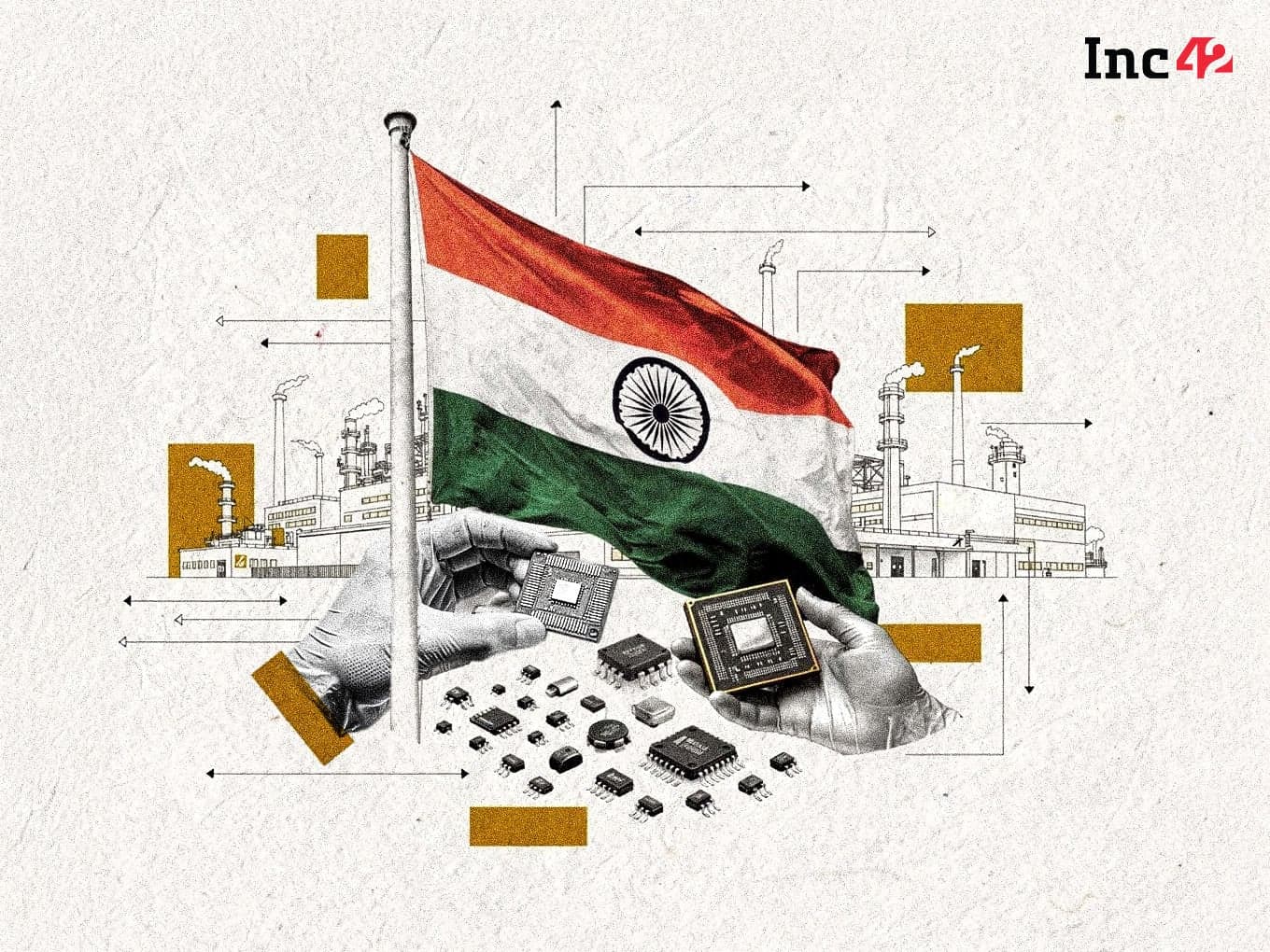
The Centre has moved a step closer towards launching the India Semiconductor Mission 2.0 (ISM 2.0) after the finance ministry’s…
Key Insights
10 editorial insights.
The Indian government has announced a substantial funding boost of ₹1.25 lakh crore for the India Semiconductor Mission 2.0, signaling a renewed commitment to establish a robust semiconductor manufacturing ecosystem. This funding is crucial as it not only addresses the global chip shortage but also aims to enhance India's self-reliance in semiconductor production, vital for various industries, including automotive and consumer electronics.
Key players in this initiative include domestic firms like Vedanta and foreign giants such as Intel and TSMC, which have shown interest in setting up manufacturing facilities in India. Their involvement is critical, as these companies bring advanced technology and expertise necessary for India to compete in the global semiconductor market, which is expected to reach $1 trillion by 2030.
This development is strategically important as it aligns with global efforts to localize semiconductor production, particularly in light of geopolitical tensions affecting supply chains. By investing in semiconductor manufacturing, India aims to reduce its reliance on imports, which accounted for nearly 90% of its semiconductor needs, thereby enhancing national security and economic resilience.
The funding will have a direct business impact, potentially leading to the creation of thousands of jobs in manufacturing and R&D sectors. Companies involved can expect increased investment opportunities and support from the government, which could spur innovation and development of next-generation semiconductor technologies that are critical for AI, IoT, and 5G applications.
This move connects to a larger trend of nations prioritizing semiconductor self-sufficiency, following the COVID-19 pandemic that highlighted vulnerabilities in global supply chains. Countries like the U.S. and EU have similarly ramped up investments, with the U.S. CHIPS Act pledging $52 billion to boost domestic semiconductor production, indicating a global shift towards localized manufacturing.
The global semiconductor market is projected to grow at a CAGR of approximately 10% over the next five years, driven by the increasing demand for electronics and the expansion of 5G technology. India's initiative could capture a significant portion of this growth, particularly in the specialized chip segment, which is expected to witness a surge in demand.
Despite the promising outlook, significant risks remain, including the need for skilled labor and the potential for delays in project execution. Additionally, the technology transfer process may face challenges, and there are concerns about the global competition for semiconductor talent, which could impact the timeline and success of the mission.
Competitors such as Vietnam and Taiwan are likely to respond by enhancing their own semiconductor capabilities or offering more attractive incentives for foreign investment. This competitive environment could lead to a race for technological advancements and production capacity, potentially affecting India's position as a hub for semiconductor manufacturing.
In the next 6-12 months, key milestones to watch will include the establishment of partnerships between Indian firms and global semiconductor companies, as well as the development of a regulatory framework to facilitate investment. Additionally, announcements regarding specific projects and timelines for production will be critical indicators of the mission's progress.
For technology professionals and investors, the significance of this initiative lies in the potential for high returns on investment in the semiconductor sector, which is becoming increasingly vital in a tech-driven economy. As India positions itself as a key player in the global semiconductor landscape, opportunities for innovation and collaboration will likely proliferate, making it a pivotal area for future growth.
The Indian government's Finance Ministry has officially approved a budget of ₹1.25 lakh crore for the Semiconductor Mission 2.0 (ISM 2.0). This initiative is crucial for bolstering local manufacturing and reducing dependency on foreign imports in a sector vital for national security and technological advancement. As global demand for semiconductors surges, this funding represents a pivotal moment for India's position in the global tech landscape.
ISM 2.0 aims to create a robust semiconductor ecosystem in India, focusing on advanced technology nodes and packaging solutions. The initiative will leverage cutting-edge processes such as 5nm to 28nm technology, vital for producing chips used in smartphones, automotive electronics, and IoT devices. Key players in the semiconductor supply chain, including design, manufacturing, and packaging, will collaborate to enhance capabilities, ensuring that the domestic industry can meet both local and global demand efficiently.
Globally, the semiconductor market is experiencing unprecedented growth, driven by trends in AI, 5G, and electric vehicles. The U.S. and China continue to vie for supremacy, with major investments flowing into domestic chip production. In this context, India's foray into semiconductor manufacturing is strategic, allowing it to position itself as a competitive alternative amid geopolitical tensions and supply chain vulnerabilities that have been exposed during the pandemic.
For India, ISM 2.0 is expected to significantly impact the local tech ecosystem, benefiting companies like Tata Group, Wistron, and others already engaged in semiconductor initiatives. This initiative will also create a conducive environment for startups in the semiconductor domain, fostering innovation and potentially attracting foreign direct investment. Moreover, it is set to enhance job opportunities for engineers and technologists in semiconductor design and manufacturing.
Key Highlights
- Finance Ministry approves ₹1.25 lakh crore for ISM 2.0
- Focus on advanced chip technologies from 5nm to 28nm
- Semiconductor market projected to reach $1 trillion by 2030
- Indian tech companies and startups to significantly benefit
- Launch of ISM 2.0 expected to catalyze domestic production by 2025
Real-World Impact
The immediate effects of ISM 2.0 will be felt across various sectors, including consumer electronics, automotive, and telecommunications. Jobs in semiconductor design, manufacturing, and technology development are expected to surge, creating opportunities for engineers, researchers, and supply chain professionals. The initiative will not only drive employment but also bolster India's overall technological capabilities in high-demand sectors.
Why This Matters
This funding represents a significant strategic shift for India, aiming to achieve self-reliance in semiconductor production. It highlights a broader global trend where nations are investing heavily to secure their tech supply chains. CTOs and developers should focus on aligning their projects with these advancements, preparing for an ecosystem that will increasingly rely on domestically produced semiconductors.
As India embarks on this ambitious journey with ISM 2.0, the tech landscape is set for transformative changes. One key aspect to watch will be the collaboration between government and private sectors to ensure the initiative's success and sustainability.
Found this useful? Share it!