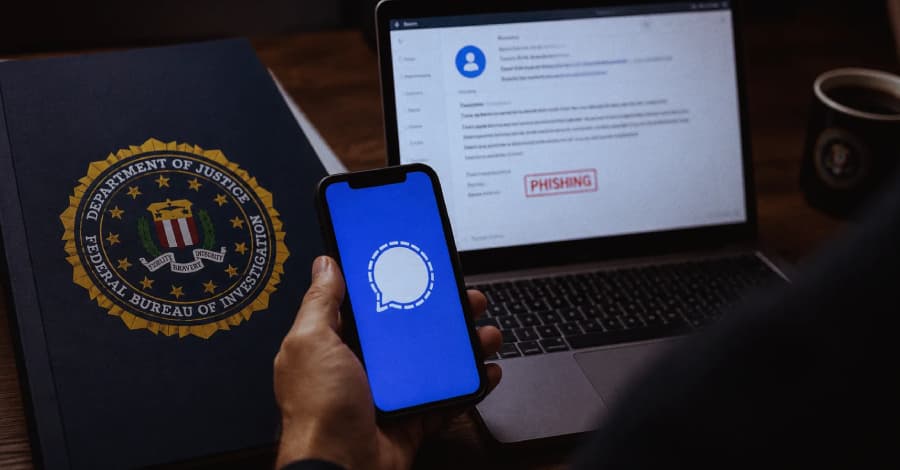
The FBI and CISA have updated their March warning about Russian intelligence phishing Signal accounts, and the operators have added a step: they now coax targets into handing over their Signal Backup Recovery Key. Hand it over once, and the attacker can restore the account's backup, read the private
Key Insights
10 editorial insights.
The recent warning from the FBI and CISA highlights a significant escalation in Russian cyber threats, specifically targeting Signal users. By manipulating individuals into revealing their Backup Recovery Keys, attackers can access private conversations, underscoring the vulnerability of popular encrypted messaging platforms amidst rising geopolitical tensions.
Key players in this scenario include Signal, a leading encrypted messaging app, and Russian cybercriminal groups that have historically employed phishing tactics. Signal's commitment to user privacy makes it a prime target, as any breach could undermine user trust and prompt users to seek alternative platforms, impacting Signal's market position.
This development is strategically important as it underscores the ongoing arms race between cybersecurity measures and hacking tactics. As more users flock to privacy-focused applications, the stakes are higher for companies to enhance their security protocols, ultimately shaping industry standards and user expectations around data protection.
For developers and end users, this situation illustrates the tangible risks of using encrypted messaging apps without robust security practices. Companies may face increased scrutiny and potential liabilities if users' data is compromised, leading to a potential decline in user engagement and revenue for platforms that fail to adequately protect their users.
This incident connects to a larger trend of increasing cyber threats against digital communication platforms over the past 12-24 months. The growing sophistication of phishing attacks reflects a shift where adversaries are not only targeting companies but also individual users, indicating a need for enhanced user education and security measures.
The global cybersecurity market is projected to grow from approximately $220 billion in 2023 to over $345 billion by 2026, highlighting the increasing importance of robust security solutions. As incidents like this become more frequent, demand for advanced security technologies will likely surge, driving growth in this sector.
The primary risks stemming from this situation include the potential for widespread account takeovers and the erosion of trust in secure communication platforms. Additionally, unresolved questions surrounding the effectiveness of current security measures and how companies can better protect users from phishing attacks remain critical challenges.
Competitors in the messaging app space, such as Telegram and WhatsApp, may respond by enhancing their security features to attract users concerned about privacy. Additionally, they could invest in user education campaigns to inform users about potential phishing threats and how to safeguard their accounts.
In the next 6-12 months, key milestones to watch include potential regulatory changes aimed at enhancing cybersecurity practices across tech companies. Additionally, developments in encryption standards and user authentication methods will be critical as companies seek to bolster their defenses against evolving cyber threats.
For technology professionals and investors, the bottom-line significance of this incident is the urgent need for enhanced cybersecurity measures across all digital platforms. As threats evolve, investing in innovative security solutions will be essential for protecting user data and maintaining competitive advantage in a rapidly changing market.
The FBI and CISA have heightened their alert regarding a sophisticated phishing campaign targeting Signal users, specifically aimed at obtaining Backup Recovery Keys. This tactic raises significant security concerns, as it allows hackers to bypass user authentication and access sensitive communications. The implications of these breaches are critical, especially for privacy-focused applications like Signal.
Hackers, believed to be affiliated with Russian intelligence, have evolved their phishing tactics by specifically asking targets for their Signal Backup Recovery Keys. This key allows attackers to restore a user's account from a backup, granting them access to previously encrypted messages and sensitive data. By leveraging social engineering techniques, these attackers can convincingly impersonate trusted contacts or institutions, leading victims to disclose their keys without realizing the potential consequences.
The broader landscape shows a worrying trend in targeted phishing attacks, especially in the realm of secure messaging applications. With Signal's increasing popularity as a privacy-centric tool, cybercriminals are honing in on vulnerabilities that allow them to exploit users' trust. The rise of malware-as-a-service and sophisticated phishing kits has made it easier for attackers to execute such schemes, resulting in increased risks for companies and individuals alike.
In the Indian tech ecosystem, this warning serves as a wake-up call for developers and tech companies involved in secure communication platforms. Firms like Hike and other emerging messaging apps must prioritize user education around security best practices. The growing number of cyber threats necessitates a robust security infrastructure, as Indian users increasingly adopt these platforms for personal and professional communication.
Key Highlights
- FBI and CISA release updated warning on phishing tactics
- Phishing scheme specifically targets Signal Backup Recovery Keys
- Increased risk for secure messaging apps; Signal sees rising user base
- Privacy-focused users and organizations benefiting from enhanced security protocols
- Expect more sophisticated phishing attempts as cyber threats evolve
Real-World Impact
This ongoing security threat primarily affects roles in IT security, software development, and user support within tech companies. Industries that rely heavily on secure communication, such as finance and healthcare, are particularly at risk. Developers must now be vigilant in educating users about potential phishing tactics and reinforcing security measures to protect sensitive data.
Why This Matters
This warning signifies a critical juncture in cybersecurity, highlighting the need for continuous user education and robust security measures. CTOs and developers should reassess their security protocols and focus on integrating two-factor authentication and user awareness campaigns to mitigate risks associated with phishing attacks.
As this situation unfolds, it will be essential to monitor how companies adapt their security strategies in response to evolving threats. The development of more resilient security practices will be key in safeguarding user privacy in the face of persistent phishing attacks.
Found this useful? Share it!