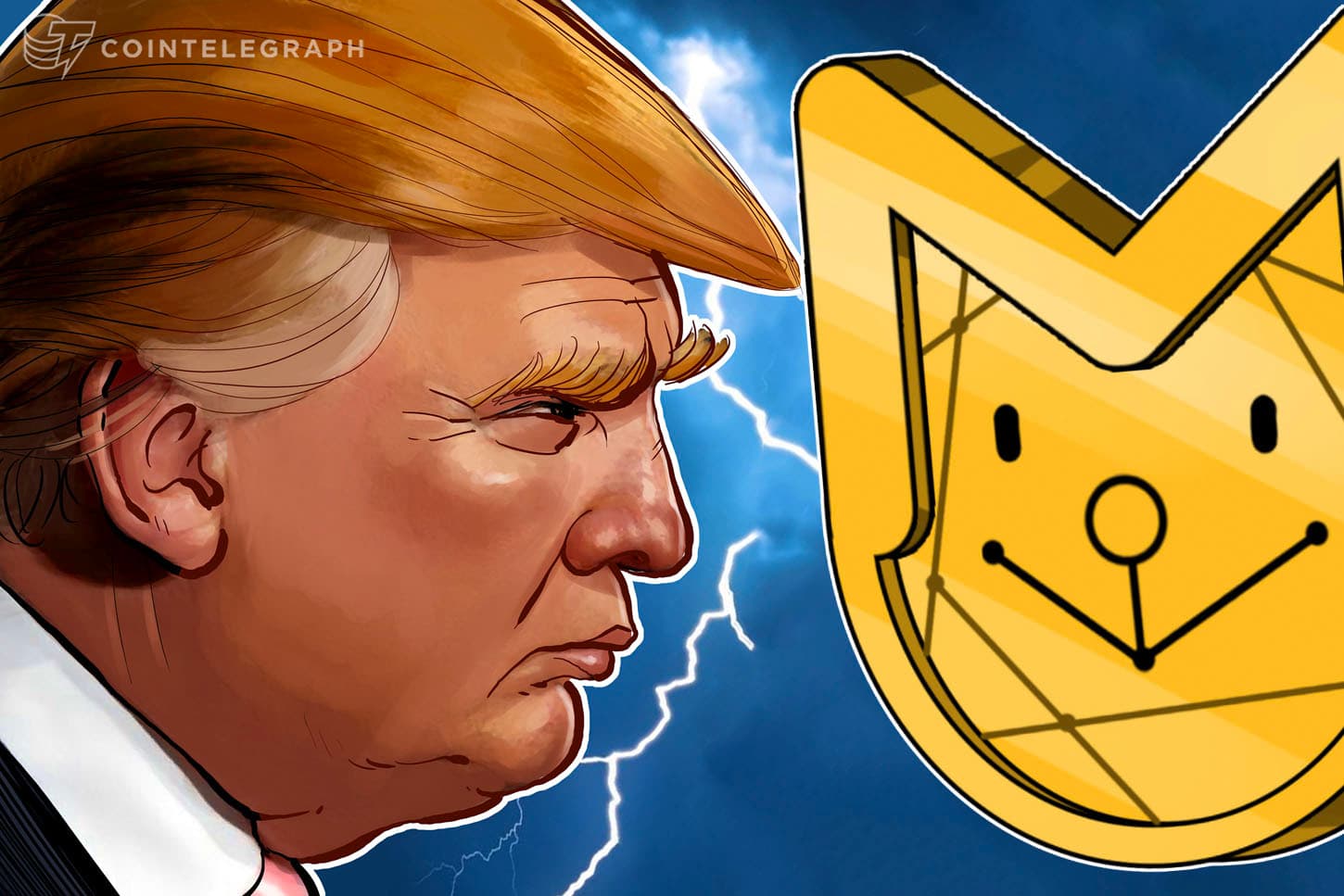
A Labour MP says the Reform leader pressed the Bank of England on policy that could enrich his biggest donor, a major Tether investor.
⚠️ Disclaimer: Cryptocurrency content on AiFeed24 is for informational purposes only and does not constitute financial or investment advice. Crypto investments are highly volatile and risky. Always consult a qualified financial advisor before making investment decisions.
Key Insights
10 editorial insights.
The investigation into Nigel Farage's alleged lobbying for Tether highlights the increasing intersection of politics and cryptocurrency. As regulatory bodies like the UK's Financial Conduct Authority ramp up scrutiny, potential conflicts of interest among political figures could undermine public trust in both governmental institutions and the crypto sector.
Farage's connections to Tether, which has faced its own share of regulatory challenges, raise questions about the influence of financial donations on policymaking. If it is proven that political figures are swayed by such contributions, it could lead to a broader call for transparency and stricter campaign finance laws in the UK and beyond.
The scrutiny of Farage coincides with a global trend toward more stringent cryptocurrency regulations, as seen in the U.S. with the SEC's actions against major exchanges. This could set a precedent that compels other countries to adopt similar measures, which may ultimately stifle innovation in the crypto space.
The impact of lobbying on cryptocurrency regulation is significant, especially for stablecoins like Tether, which rely on regulatory clarity to operate effectively. If Farage's lobbying efforts lead to favorable regulations for Tether, it could create an uneven playing field, disadvantaging competitors like Circle and Binance.
This investigation may catalyze a broader conversation about the role of lobbying in shaping financial regulations, particularly in emerging sectors like cryptocurrency. As various stakeholders engage in lobbying efforts, it raises ethical concerns about who truly benefits from such engagements and whether they align with public interest.
The implications of this investigation are particularly relevant as governments worldwide grapple with the complexities of regulating digital assets. The outcome could influence how other nations approach cryptocurrency legislation, potentially leading to harmonized regulations or further fragmentation in the global crypto market.
Farage's alleged actions could illustrate the challenges regulators face in managing the fast-evolving cryptocurrency landscape. As more political figures engage with major players in the crypto industry, the need for clear regulations that govern such interactions becomes increasingly urgent to ensure fair practices.
The ongoing investigation may have repercussions on Tether's market position, especially amid growing concerns about its reserves and stability. If regulatory bodies impose stricter guidelines as a result of this scrutiny, it could diminish Tether's dominance and invite competitors to fill any gaps left in the market.
This situation underscores the necessity for robust compliance frameworks in the cryptocurrency sector, particularly for stablecoins that are central to trading and liquidity. As regulators like the Bank of England consider these policies, companies may need to reassess their lobbying strategies to align with evolving regulatory expectations.
The scrutiny surrounding Farage and Tether reflects a broader trend of increased regulatory vigilance against perceived market manipulation in the crypto space. As authorities worldwide enhance their oversight mechanisms, entities involved in lobbying must navigate a complex landscape that balances advocacy with ethical considerations.
UK political figure Nigel Farage is under the microscope as the country's financial watchdog scrutinizes potential lobbying efforts related to cryptocurrency policies. This investigation comes amid allegations that Farage pressed the Bank of England for policies that may significantly benefit Tether, a major player in the crypto landscape and his largest donor. Understanding the implications of these actions is crucial as they could set precedents for regulatory frameworks across the globe.
The technical aspects of cryptocurrency lobbying primarily involve influencing regulatory policies that can alter the operational landscape for digital assets. In this case, Farage's engagement with the Bank of England revolves around discussions that could impact the framework governing stablecoins like Tether. These digital currencies are pegged to fiat currencies, and decisions regarding their regulation can affect liquidity, market stability, and investor confidence. The technology behind stablecoins relies on blockchain infrastructure, which ensures transparency and traceability, making it a focal point in regulatory discussions.
In a broader industry context, the scrutiny of Farage aligns with a growing trend among regulators worldwide to tighten oversight of cryptocurrency activities amid concerns over market manipulation and investor protection. Competitors in the crypto space, like Circle and Binance, are also facing increasing pressure from regulatory bodies. Market reports indicate that the stablecoin sector alone is projected to reach a valuation of $160 billion by 2025, underscoring the urgency for clear regulatory frameworks that can accommodate innovation while safeguarding stakeholders.
In India, the crypto ecosystem is experiencing a critical juncture as it seeks to navigate regulatory challenges that could influence local players like WazirX and CoinDCX. The scrutiny of Farage’s activities may resonate within the Indian context, where the government is contemplating legislation that could affect the operations of crypto exchanges and investors. As global regulations evolve, Indian companies may need to adapt their strategies to comply with international standards, which could include enhancing transparency and accountability in their operations.
Key Highlights
- UK watchdog initiates investigation into Farage's lobbying efforts
- Focus on stablecoin regulations impacting Tether and other cryptocurrencies
- Stablecoin market expected to hit $160 billion by 2025
- Tether's investors poised to gain from favorable regulatory outcomes
- Next steps include potential regulatory clarifications by the Bank of England
Real-World Impact
The immediate effects of this investigation may resonate across various sectors, particularly in financial services and cryptocurrency exchanges. Employees in compliance roles may face increased scrutiny, while developers working on blockchain technology might need to align their projects with evolving regulatory expectations. The situation could also influence investment strategies as stakeholders reassess the risks associated with lobbying activities.
Why This Matters
This investigation highlights a critical intersection between politics and technology, showcasing how lobbying can shape regulatory landscapes in the fast-evolving cryptocurrency sector. For CTOs and developers, this underscores the importance of staying informed about regulatory developments and engaging in proactive compliance measures. As the industry matures, understanding these dynamics will be essential for sustainable growth.
As the investigation unfolds, one critical aspect to watch is the potential for regulatory changes that may emerge from this scrutiny. Stakeholders in the crypto industry should remain vigilant as these developments could significantly impact future operational frameworks.
Found this useful? Share it!