You know things are rough when China feels like a beacon of personal privacy.
Key Insights
10 editorial insights.
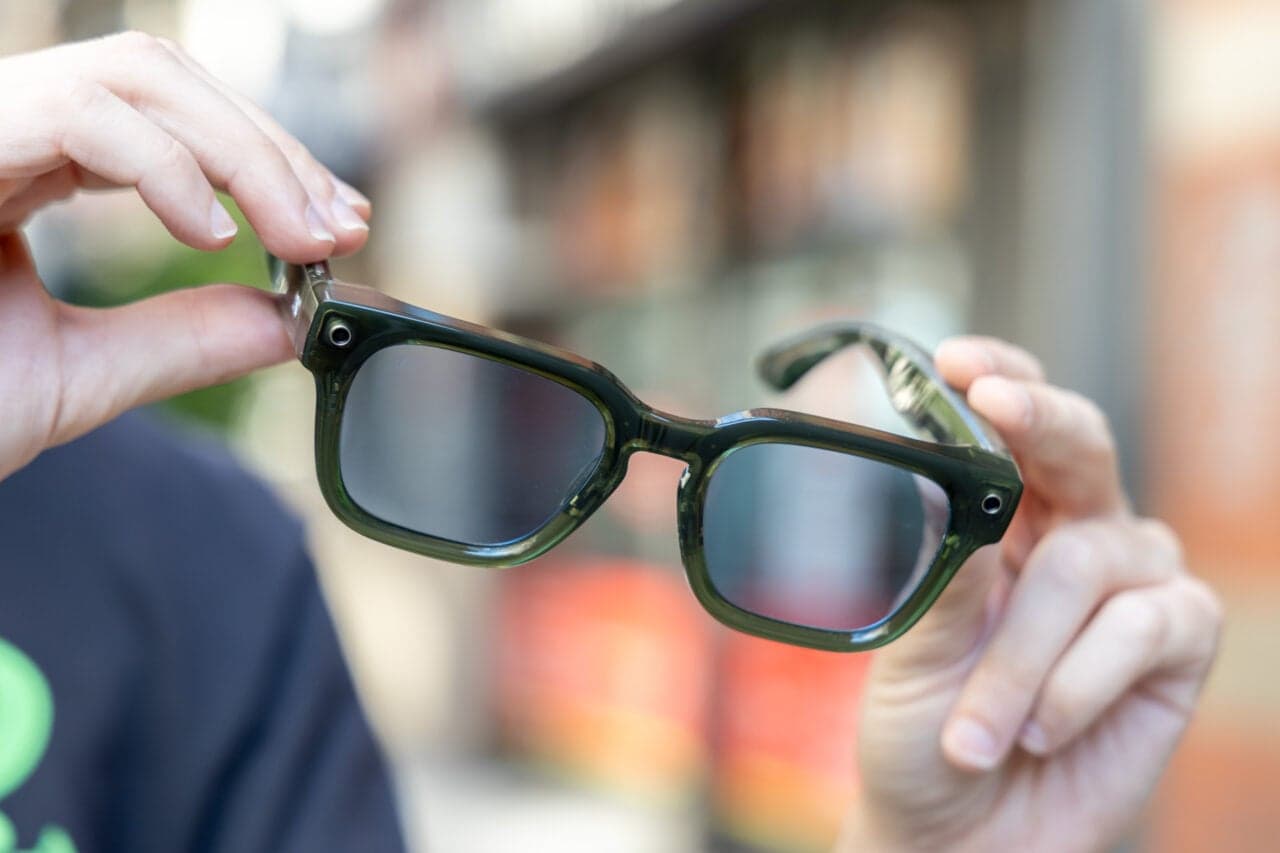
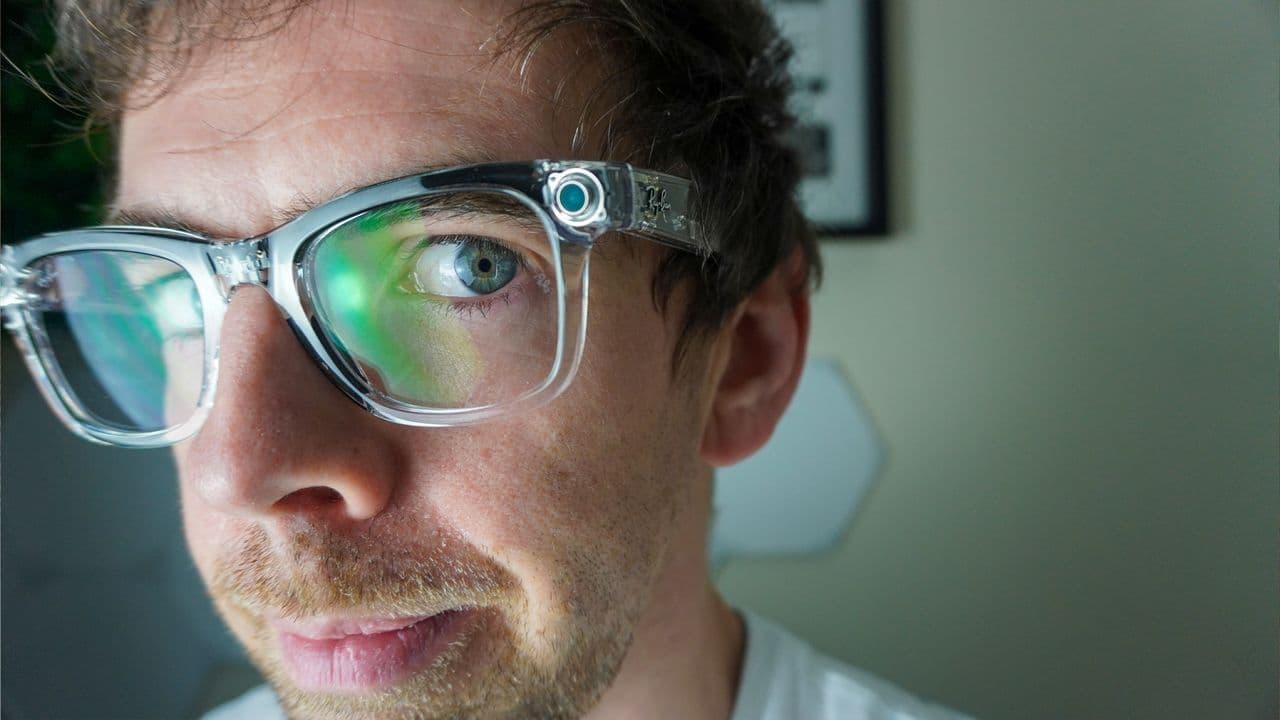
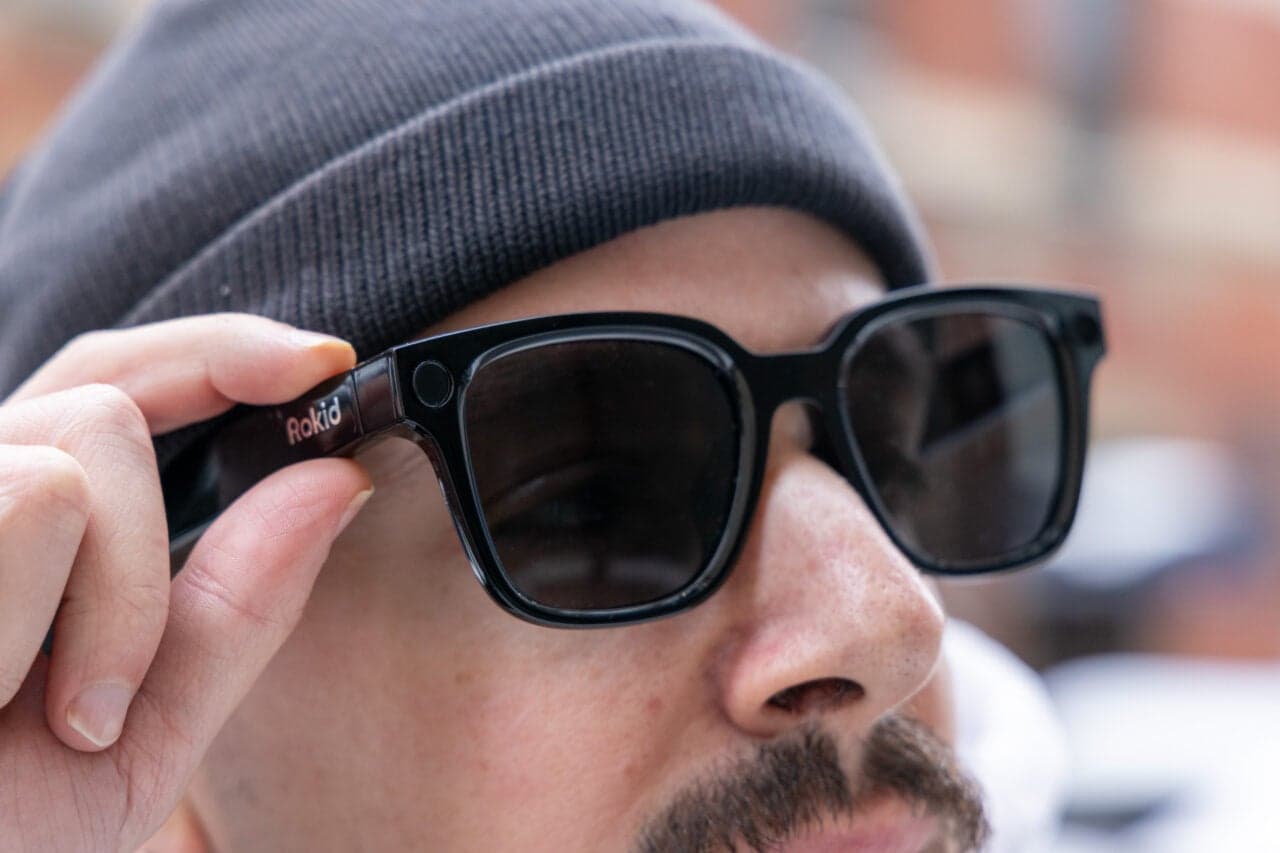
The Chinese government has called for regulation of smart glasses technology, reflecting a growing concern over privacy in a country known for its extensive surveillance practices. This significant shift indicates a recognition of the potential risks associated with pervasive tech, suggesting that even in a surveillance state, the balance between innovation and privacy is becoming crucial.
Key players in the smart glasses market include companies like Google, Apple, and newer entrants like Snap with its Spectacles. Google, for instance, is working on a new version of its smart glasses, while Snap has been focusing on augmented reality. Their influence is significant as they shape consumer acceptance and regulatory landscapes.
This development is strategically important as it signals a potential shift in the regulatory landscape for wearable technology globally. If China, a leader in surveillance, is taking steps to regulate smart glasses, it may prompt other nations to reconsider their own policies, affecting how companies develop and market these products.
For companies involved in the smart glasses market, such as Facebook's Meta, the call for regulation could lead to increased compliance costs and affect product development timelines. Developers may face hurdles in integrating advanced features without breaching new regulations, potentially slowing innovation and affecting user experience.
This regulatory push aligns with a broader trend in technology over the past 12-24 months, where privacy concerns have led to increased scrutiny of data collection practices. Consumers are becoming more aware of privacy issues, influencing their purchasing decisions and leading to a demand for more transparent technologies.
The smart glasses market is projected to grow from approximately $4 billion in 2023 to over $20 billion by 2030, driven by advancements in AR technology and consumer interest. However, regulatory hurdles may temper this growth if companies are forced to invest heavily in compliance instead of innovation.
The primary risk stemming from this call for regulation is that it could stifle innovation in a sector that is still in its infancy. Companies could face legal challenges or backlash from consumers if regulations are perceived as too restrictive, leading to a potential slowdown in market growth and technological advancements.
Competitors in the tech space, particularly those in augmented reality like Microsoft with its HoloLens, may respond by advocating for self-regulation or lobbying for favorable regulatory frameworks. Companies might also focus on emphasizing their commitment to privacy to differentiate themselves in a crowded market.
In the next 6-12 months, stakeholders should watch for specific technical milestones, such as the publication of new privacy guidelines for wearable tech by regulatory bodies. Additionally, companies will need to adapt their products in response to these regulations, creating a new baseline for what is acceptable in this space.
For technology professionals and investors, this development underscores the importance of incorporating privacy considerations into product design and strategy. As regulations evolve, the companies that proactively adapt to these changes will likely emerge as leaders, making early investment in compliant technologies a prudent strategy.
India's growing interest in smart glasses reflects a complex relationship with surveillance and privacy. As technology advances, the government is exploring smart glasses to enhance surveillance capabilities, raising critical questions about privacy rights and the ethical use of technology. This situation is particularly pressing as various stakeholders navigate the balance between security and individual freedoms.
Smart glasses employ advanced technologies including augmented reality (AR), facial recognition, and AI-driven analytics to gather and process data in real-time. They integrate with cloud computing to store vast amounts of information and utilize machine learning algorithms to enhance their recognition accuracy. These capabilities enable law enforcement to identify individuals in crowded spaces, potentially transforming public safety operations. However, the technical implementation of smart glasses also invites scrutiny regarding data security and potential misuse.
The global smart glasses market is experiencing considerable growth, driven by increasing demand in various sectors including healthcare, retail, and security. Companies like Google and Microsoft are leading in AR development, while newer entrants explore niche markets. As smart glasses technology matures, competitors are racing to innovate while addressing privacy concerns. The Indian market, with its unique socio-political landscape, is witnessing a cautious embrace of this technology amid growing privacy debates.
In India, the push for smart glasses intersects with the expanding surveillance infrastructure, raising significant implications for tech companies and developers. Firms specializing in AI and AR solutions may find lucrative opportunities in government contracts. However, concerns from civil rights groups about misuse and data privacy may lead to stricter regulations. As a result, Indian tech startups focusing on ethical AI and privacy-preserving technologies could become pivotal players in this evolving ecosystem.
Key Highlights
- India is exploring the use of smart glasses for enhanced surveillance.
- Smart glasses utilize AR, facial recognition, and AI analytics.
- The global smart glasses market is projected to grow by 28.5% annually.
- Ethical AI developers may emerge as key beneficiaries.
- Expect regulations on smart glasses to evolve alongside technology adoption.
Real-World Impact
Job roles in tech development, law enforcement, and civil rights advocacy are directly affected by the rise of smart glasses. Developers are tasked with creating privacy-conscious applications, while law enforcement may see enhanced tools for surveillance. Conversely, civil rights lawyers and activists will focus on advocating for regulations that protect individual privacy amid technological advancements.
Why This Matters
The cautious adoption of smart glasses signals a significant shift in how technology intersects with governance and societal norms. CTOs and developers should prioritize ethical considerations in their projects, balancing innovation with privacy concerns. Engaging in dialogue with stakeholders will be crucial to developing solutions that respect individual rights while leveraging technological advancements.
As the landscape of smart glasses evolves, one key aspect to monitor is the regulatory environment. Increased scrutiny may lead to guidelines that shape the future of surveillance technologies in India, impacting both development and deployment strategies.
Found this useful? Share it!