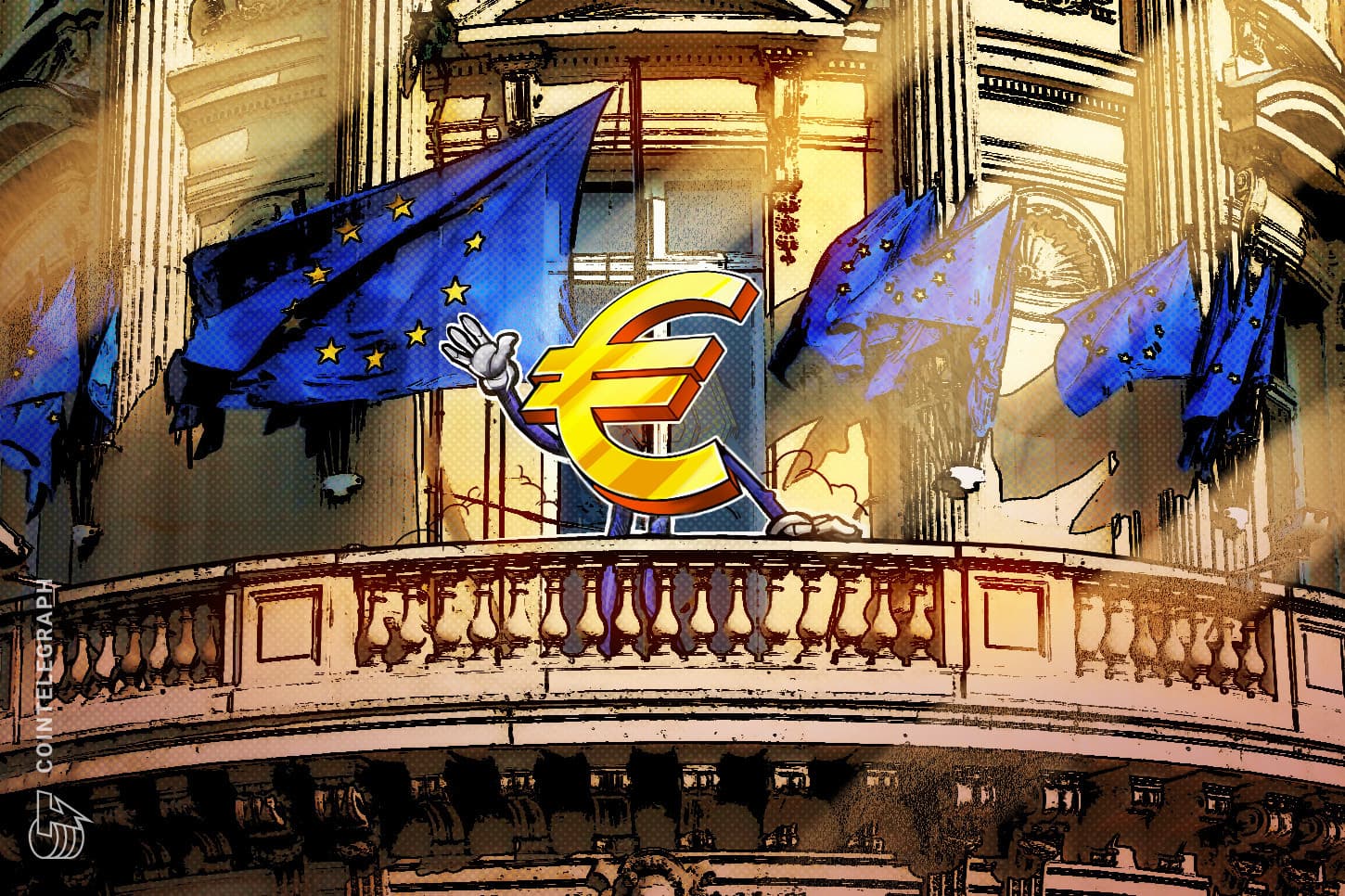
MiCA Crypto Regulation Fully Implemented: Winners and Losers
With the July 1 deadline now passed, how will the end of MiCA's final transition phase affect users, companies, and the market?
⚠️ Disclaimer: Cryptocurrency content on AiFeed24 is for informational purposes only and does not constitute financial or investment advice. Crypto investments are highly volatile and risky. Always consult a qualified financial advisor before making investment decisions.
Key Insights
10 editorial insights.
The implementation of the Markets in Crypto-Assets Regulation (MiCA) on July 1 marks a significant turning point for the European crypto landscape, providing a structured regulatory framework that aims to enhance market integrity and protect consumers. This immediate recognition of crypto assets as legitimate financial instruments is likely to encourage higher levels of institutional investment, fostering growth in the sector.
Key players such as Binance and Coinbase will now need to adapt their operations to comply with MiCA, which brings stringent requirements for transparency and consumer protection. These companies are vital as they dominate trading volumes in Europe, and their strategies in response to these regulations will heavily influence the market dynamics moving forward.
The strategic importance of MiCA lies in its potential to establish Europe as a global leader in crypto regulation, particularly as countries like the U.S. still grapple with fragmented policies. By creating a unified regulatory environment, Europe could attract more blockchain startups and innovation, positioning itself favorably against other regions that lack similar frameworks.
For developers and companies, the MiCA regulations present both opportunities and challenges. While larger firms may benefit from clearer guidelines that reduce the risks of regulatory penalties, smaller startups could struggle to meet the compliance costs, potentially stifling innovation and market entry for new players.
This development aligns with the broader trend over the past 12-24 months of increasing regulatory scrutiny in the crypto space, particularly following high-profile collapses like FTX. As global regulators take a firmer stance, firms must adapt quickly to survive and thrive, indicating a critical shift towards mainstream acceptance of digital assets.
The European crypto market is poised for significant growth, with estimates suggesting a market size of around €1 trillion and a projected annual growth rate of 20% over the next five years. This regulatory structure could catalyze further investment and innovation, potentially doubling the market size by 2028, as trust in the ecosystem increases.
However, the introduction of MiCA also brings risks and challenges, particularly regarding compliance costs and operational adjustments for existing players. Additionally, unresolved questions about the enforcement of these regulations and their adaptability to rapid technological advancements remain critical concerns for stakeholders in the crypto ecosystem.
Competitors in adjacent markets, such as traditional finance and fintech, may respond by accelerating their own digital asset initiatives to capture market share in this evolving landscape. For instance, banks may start offering crypto services or explore partnerships with blockchain companies to enhance their offerings in light of the new regulations.
In the next 6-12 months, it will be important to watch for how enforcement of MiCA will unfold and whether additional regulations may emerge to address areas not covered, such as decentralized finance (DeFi) and non-fungible tokens (NFTs). These milestones will be crucial for assessing the long-term viability of crypto businesses in Europe.
For technology professionals and investors, the implementation of MiCA holds significant implications, as it signals a maturing market that is likely to attract more serious investment. Understanding the regulatory landscape will be essential for making informed decisions in this rapidly evolving sector, particularly as compliance will play a critical role in determining which companies succeed.
The European Union's Markets in Crypto-Assets (MiCA) regulation is now fully in force as of July 1, marking a significant shift in the regulatory landscape for cryptocurrencies. This new regime aims to provide a comprehensive framework for digital asset management, which is crucial as the market matures and seeks legitimacy. The implications of this shift are profound, affecting users, companies, and the broader market dynamics.
MiCA introduces several key technical frameworks designed to govern the issuance and trade of cryptocurrencies across the EU. The regulation categorizes digital assets into three types: asset-referenced tokens, e-money tokens, and crypto-assets, each with specific compliance requirements. Issuers must now provide detailed whitepapers and adhere to stringent operational guidelines to ensure consumer protection and market integrity. This structure facilitates a safer environment for investors while promoting innovation within the crypto space.
In a broader context, the introduction of MiCA has significant implications for the global cryptocurrency landscape. Competitors in the market are rapidly adapting to these new standards, which could drive a wave of consolidation among smaller players. As the EU solidifies its regulatory stance, other regions may follow suit, potentially leading to a fragmented global regulatory environment. Data shows that institutions are increasingly entering the crypto realm, with investment in blockchain technology surging amidst these regulatory changes.
In India, the MiCA regulation could influence local crypto startups and exchanges that have aspirations to expand into Europe. Companies like WazirX and CoinDCX may find themselves needing to comply with these new standards if they target European markets. Additionally, Indian developers in the blockchain space can leverage this framework as a template for creating compliant projects, fostering a more robust tech ecosystem that aligns with international regulations.
Key Highlights
- MiCA regulation provides a comprehensive framework for crypto-assets
- Crypto-assets categorized into three types with specific compliance rules
- European crypto market projected to grow by 20% post-MiCA implementation
- Established firms like Binance and Coinbase likely to benefit the most due to their existing compliance structures
- Companies to watch for upcoming adaptations include WazirX and CoinDCX as they explore EU market entry
Real-World Impact
The immediate effects of MiCA's implementation are being felt across various job roles and industries. Compliance officers, legal advisors, and blockchain developers will experience increased demand as firms scramble to meet regulatory standards. Additionally, the financial sector will see heightened scrutiny of crypto-related activities, impacting investment strategies and risk assessments.
Why This Matters
This regulatory shift signifies a broader acceptance of cryptocurrencies within traditional financial systems. For CTOs and developers, it underscores the importance of integrating compliance into product development from the outset. Embracing regulatory frameworks like MiCA can enhance trust and foster user adoption, which are vital for long-term success in the digital asset space.
As the dust settles on MiCA's implementation, stakeholders should watch for similar regulatory developments in other regions. How companies adapt to these changes will set the stage for the next phase of cryptocurrency evolution.
Multi-Source Intelligence
Editorial Summary
134wThe European Union's MiCA crypto regulation has come into full effect as of July 1, marking a significant milestone in the region's efforts to govern the cryptocurrency market. Key players such as regulatory bodies and industry leaders are closely watching the implementation, as it sets a precedent for global crypto regulation. The market context is one of increasing adoption and innovation, with stablecoins and tokenization testing the boundaries of the new rulebook. This development matters today because it has far-reaching implications for the future of cryptocurrency trading, investment, and innovation in the EU and beyond. As the EU navigates the complexities of regulating a rapidly evolving market, companies and investors are eagerly awaiting clarity on the rules and their enforcement, which will ultimately shape the trajectory of the crypto industry in Europe and globally.
Verified Common Facts
3 confirmedThe MiCA crypto regulation is now fully implemented in the European Union as of July 1.
The regulation aims to provide a comprehensive framework for the governance of cryptocurrency markets in the EU.
The implementation of MiCA is expected to have significant implications for cryptocurrency trading, investment, and innovation in the region.
Unique Insights
Editorial analysisThe EU's willingness to reconsider and refine the MiCA regulation even after its full implementation suggests a commitment to creating a flexible and adaptive regulatory environment that can keep pace with the rapidly evolving crypto landscape.
The testing of the MiCA rulebook by stablecoins and tokenization highlights the complexities and challenges of regulating innovative financial instruments and technologies.
Perspectives & Nuances
Where viewpoints divergeThere is a notable difference in the emphasis placed on the potential impact of MiCA on the crypto market, with some sources highlighting the regulatory clarity it brings and others focusing on the potential constraints it may impose on innovation and growth.
Editorial Conclusion
The full implementation of the MiCA crypto regulation in the EU marks a pivotal moment in the global effort to govern the cryptocurrency market, with broader industry implications for regulatory standards and investor confidence. As the EU refines its approach, a forecasted outcome is the emergence of more sophisticated and compliant crypto products and services, which could, in turn, influence regulatory discussions in other regions, including India's tech ecosystem. For India, this development underscores the need for a similarly nuanced and adaptive regulatory approach to foster innovation while protecting investors. A key takeaway for tech professionals is the importance of staying abreast of regulatory developments and engaging in dialogue with policymakers to ensure that the evolution of crypto regulation supports, rather than hinders, the growth of the digital economy.
Found this useful? Share it!