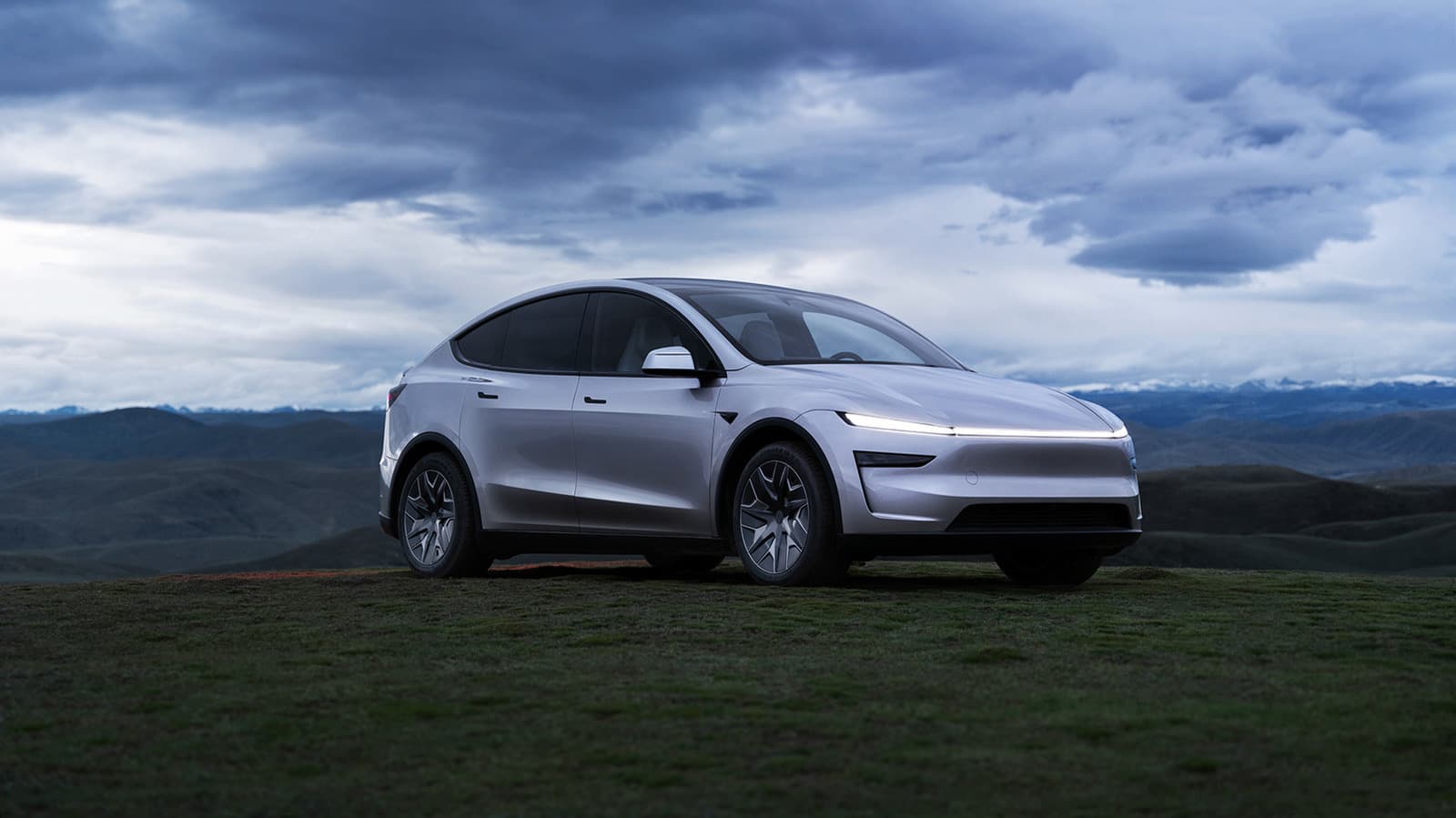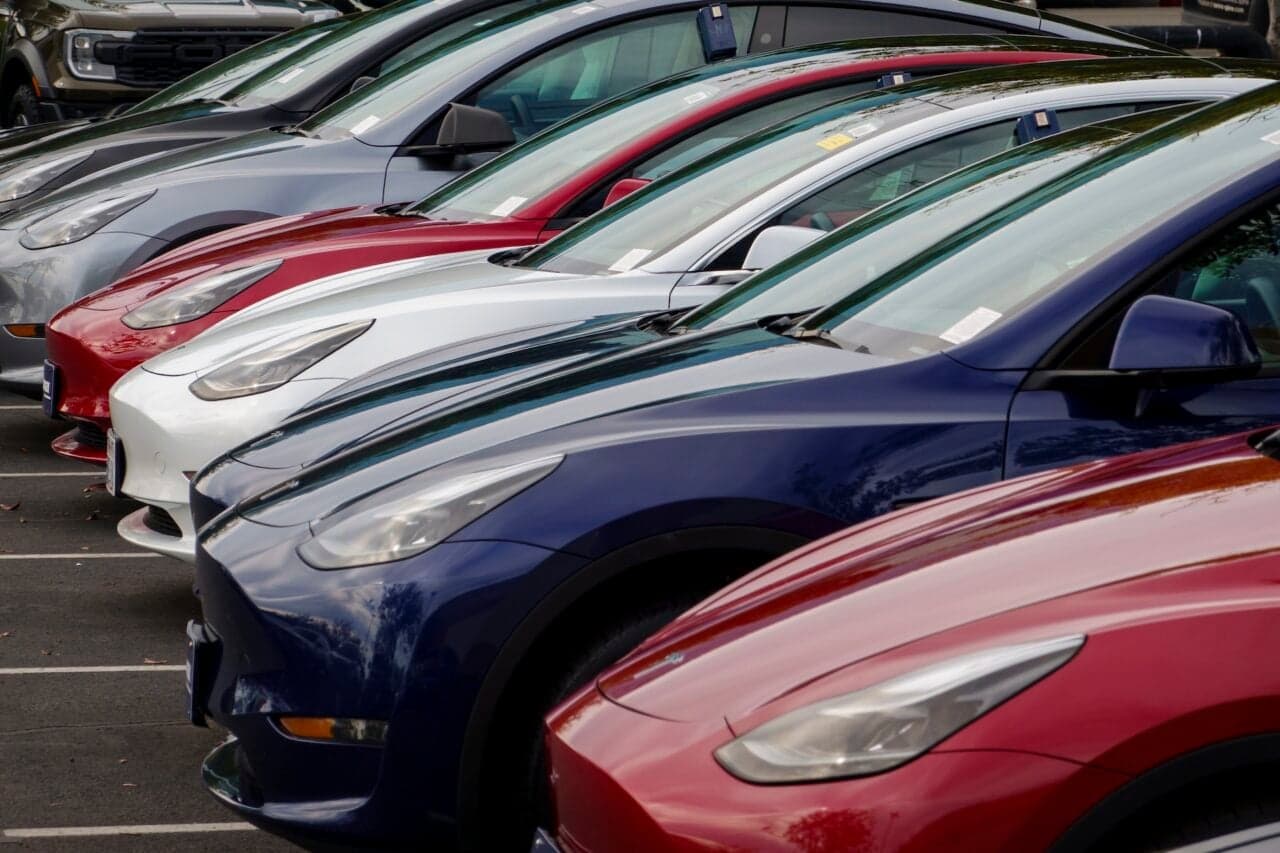
Tesla is hiring new workers and ramping up production at its German factory to meet demand.
Key Insights
10 editorial insights.
Tesla's decision to increase hiring and production at its German facility highlights a strategic pivot to meet growing European demand for electric vehicles (EVs). This move is particularly significant as Europe continues to tighten emissions regulations, which positions Tesla favorably against traditional automakers who may struggle to comply.
Key players in this scenario include Tesla, which is cementing its foothold in the European EV market, and established competitors like Volkswagen and BMW, who are also ramping up their EV strategies. Tesla's aggressive expansion could force these companies to accelerate their own production timelines to maintain market share.
This development is strategically important as it underscores Tesla's ability to adapt to regional market demands while also leveraging its production capabilities. With European consumers increasingly prioritizing sustainability, Tesla's expansion could solidify its leadership in the EV sector, influencing other manufacturers to align their offerings accordingly.
The immediate business impact includes potential job creation in Germany, with estimates suggesting an increase of over 1,000 jobs at the Berlin Gigafactory. For end-users, this could translate to shorter wait times for delivery, increased competition driving down prices, and a variety of new models entering the market.
This expansion aligns with a larger trend over the past couple of years where EV adoption rates have surged, with global sales expected to surpass 10 million vehicles annually by 2025. As countries push for greener policies, the demand for EVs is becoming a crucial factor for automotive manufacturers.
The European EV market is projected to grow at a compound annual growth rate (CAGR) of over 30% from 2022 to 2027, reflecting a significant shift in consumer preferences. Tesla's proactive approach in this fast-expanding market positions it to capture a larger share of this growth.
However, Tesla faces several risks, including potential supply chain disruptions, regulatory hurdles, and increasing competition from established automakers pivoting toward EVs. Questions remain about whether Tesla can sustain its lead amidst rapidly evolving technology and market dynamics.
Competitors like Ford and General Motors, who are investing heavily in EV technology, may respond by accelerating their own production timelines and innovations. This could lead to a more saturated market, forcing companies to differentiate their products through technology and customer experience.
In the next 6-12 months, key milestones to watch include regulatory approvals for new models, updates to battery technology, and advancements in autonomous driving features. Additionally, European governments may introduce new incentives that could impact demand and production strategies across the industry.
For technology professionals and investors, the bottom-line significance lies in recognizing the growing importance of EVs in shaping the future landscape of transportation. As companies like Tesla lead the charge, there will be ample opportunities for investment and innovation in related technologies, including battery production, charging infrastructure, and smart vehicle software.
In a notable resurgence, Tesla has ramped up production at its German factory to meet increasing demand in Europe. This shift is significant as it signals a renewed interest in electric vehicles (EVs) amidst rising competition and changing consumer preferences, making it a pivotal moment for both Tesla and the broader EV market.
Tesla's production increase at its German facility is a strategic response to the growing demand for electric vehicles across Europe. The company's use of advanced manufacturing technologies, such as automated assembly lines and AI-driven quality control, allows it to optimize production efficiency. With the integration of cutting-edge battery technology, Tesla aims to enhance the performance and range of its vehicles, addressing consumer concerns about EV capabilities.
This move comes at a time when the European automotive landscape is experiencing a significant shift. Competing brands, including traditional automakers and new entrants, are ramping up their EV offerings, aiming to capture market share. Notably, European manufacturers like Volkswagen and BMW are investing heavily in electrification, creating a competitive environment that could alter Tesla's dominance in the region.
In the context of the Indian tech ecosystem, Tesla's expansion could have ripple effects. Indian automotive manufacturers, such as Tata Motors and Mahindra, are also pivoting toward electric mobility. The increased focus on EVs globally could accelerate local innovation and adoption of similar technologies in India, encouraging collaborations between Indian startups and established players to enhance battery technology and EV infrastructure.
Key Highlights
- Tesla expands workforce in Germany to boost EV production
- Utilizes advanced manufacturing and AI technologies
- European EV market projected to grow 25% annually
- Tesla's surge benefits early adopters and tech enthusiasts
- Upcoming product launches expected in early 2024
Real-World Impact
The immediate effects of Tesla's production ramp-up will be felt in job creation, particularly in manufacturing roles within Germany. Additionally, this move is likely to influence supply chains, logistics, and the green energy sector, affecting industries and professionals focused on sustainability and innovation.
Why This Matters
This development underscores a larger shift towards electrification and sustainability in the automotive industry. CTOs and developers should prioritize investment in EV technologies and consider partnerships that align with the growing demand for electric mobility solutions.
As Tesla reinvigorates its presence in Europe, the next significant watchpoint will be how traditional automakers respond and innovate in the EV sector. The race for market leadership in electric vehicles is only just beginning.
Found this useful? Share it!