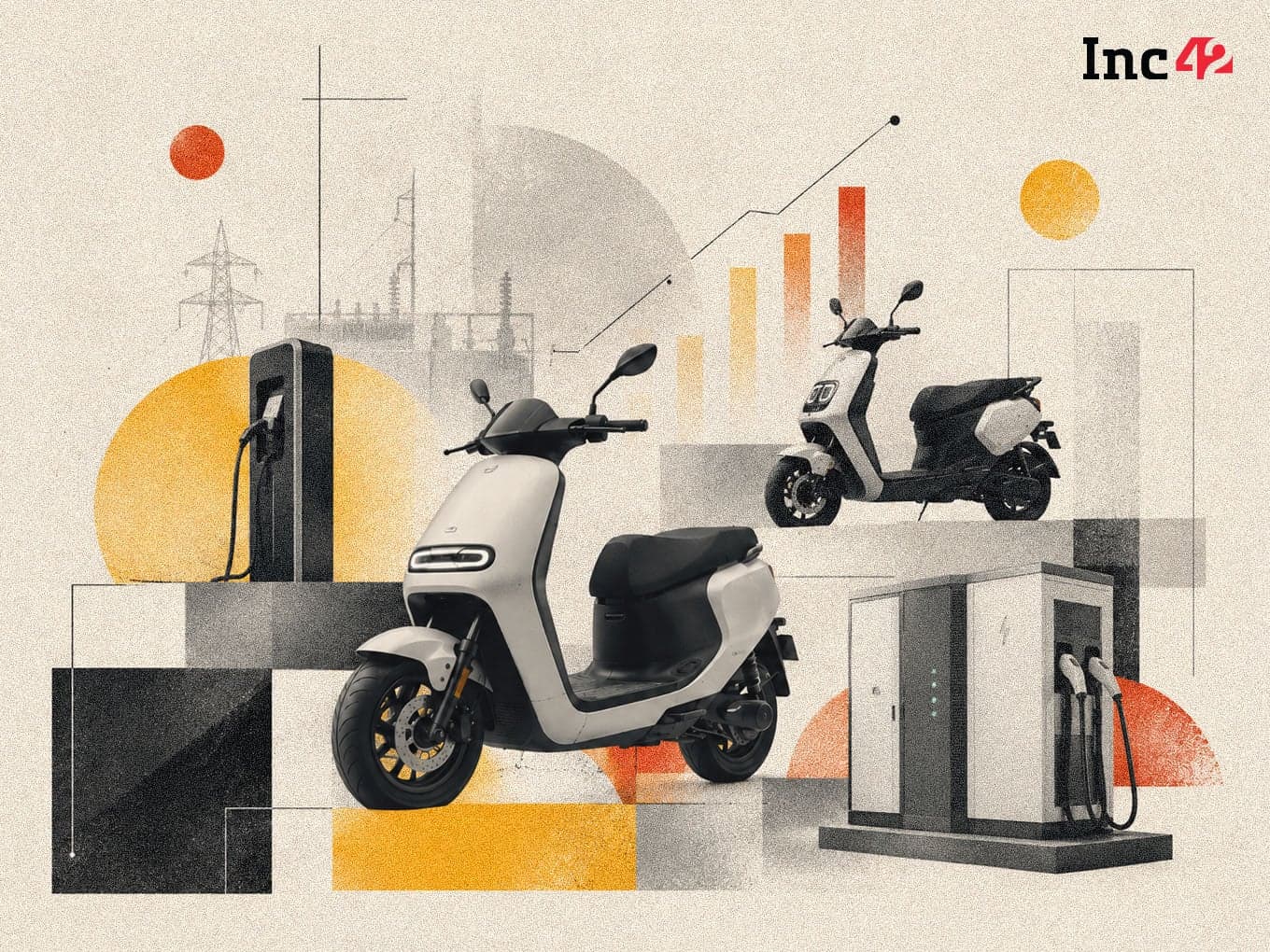
Electric two-wheeler (E2W) registrations continued to see tepid growth in June, with total sales rising 5% to 1.81 Lakh units…
Key Insights
10 editorial insights.
In June, electric two-wheeler registrations in India rose by 5%, totaling approximately 1.81 lakh units. This modest growth signifies a slight recovery in the sector, following previous months of stagnant sales, suggesting that consumer interest may be gradually shifting towards electric options despite ongoing challenges in supply chain and pricing.
TVS Motor Company has maintained its leadership position in the Indian electric two-wheeler market, highlighting its strong brand presence and innovative product offerings. The company's ability to adapt and respond to market demands positions it favorably against competitors like Hero Electric and Ola Electric, who are also vying for market share in this rapidly evolving landscape.
This development is strategically important as it reflects a growing acceptance of electric vehicles among Indian consumers, driven by increasing fuel prices and government incentives. The sustained growth in electric two-wheelers aligns with India's broader objectives of reducing carbon emissions and promoting sustainable transportation solutions, positioning the industry for future expansion.
For companies like TVS, the increase in E2W sales could lead to improved revenue streams and market valuation, as electric two-wheelers often command higher price points. Additionally, end users benefit from lower operating costs and potential savings on fuel, making E2Ws an attractive long-term investment despite the initial purchase price.
The surge in electric two-wheeler registrations connects to a larger trend of electrification in the automotive industry over the past 12-24 months, reflecting a global shift toward sustainable transport. As governments worldwide push for greener alternatives, India’s electric two-wheeler market is positioned to capitalize on this momentum, with increasing investments from manufacturers and tech firms alike.
The Indian electric two-wheeler market is experiencing a compound annual growth rate (CAGR) of approximately 20%, driven by both rising fuel costs and government incentives. With the market size projected to reach 1.5 million units by 2025, the industry's trajectory indicates a growing consumer preference for electric mobility solutions amidst urban congestion and pollution concerns.
Despite the positive growth, challenges remain, including infrastructure limitations such as charging stations and battery supply chain issues. Additionally, fluctuating raw material prices for batteries pose a risk to manufacturers, potentially affecting pricing strategies and profit margins, which could hinder broader adoption of electric two-wheelers.
Competitors like Bajaj Auto and Ather Energy are likely to respond aggressively to TVS's dominance by enhancing their product offerings and diversifying their electric vehicle portfolios. This could include increasing R&D investments to innovate new technologies, ultimately leading to heightened competition and potentially lowering prices for consumers.
In the next 6-12 months, key regulatory milestones to watch include the implementation of stricter emissions standards and government incentives for electric vehicle adoption. Additionally, advancements in battery technology and charging infrastructure development will be critical for sustaining growth, impacting the strategies of manufacturers and consumers alike.
For technology professionals and investors, the evolving electric two-wheeler market presents significant opportunities for innovation and investment. The focus on sustainable mobility solutions indicates a shift in consumer preferences that may drive demand for related technologies, such as battery management systems and smart charging solutions, making this sector a compelling area for future growth.
Electric two-wheeler (E2W) registrations in India saw a modest increase of 5% month-on-month in June, totaling 1.81 lakh units. This growth, while encouraging, highlights the ongoing challenges facing the E2W market, including supply chain issues and consumer adoption rates. The persistence of these trends is crucial as India aims to transition to cleaner transportation solutions.
The technical landscape of electric two-wheelers involves a combination of battery technology and electric drivetrain systems that deliver efficiency and performance. Most E2Ws use lithium-ion batteries, which provide significant energy density and longevity. Advances in battery management systems (BMS) and regenerative braking are also enhancing efficiency, enabling longer rides on a single charge. Manufacturers are investing in research to improve charging times, which remain a concern for potential buyers.
In the broader industry context, the electric two-wheeler market in India is characterized by intense competition among various players. TVS Motor Company continues to hold the top position, but challenges from brands like Ather Energy and Ola Electric are significant. Current market dynamics are influenced by government incentives, fluctuating raw material prices, and consumer sentiment towards electric mobility. As companies align their strategies with sustainability goals, the market is expected to evolve rapidly.
The Indian tech ecosystem is increasingly impacted by the rise of electric two-wheelers, with numerous startups and established automakers pivoting towards E2Ws. Companies like Hero Electric and Bajaj Auto are ramping up production and innovation efforts, which could lead to job creation in manufacturing and tech development. Furthermore, as the government pushes for electric mobility, there will be implications for infrastructure development, such as charging stations and battery recycling facilities, creating additional opportunities across various sectors.
Key Highlights
- Electric two-wheeler registrations increased by 5% in June.
- E2Ws utilize advanced lithium-ion batteries and BMS for efficiency.
- Market growth reflects a total of 1.81 lakh units sold, indicating a competitive landscape.
- Consumers seeking sustainable transport solutions stand to benefit the most.
- Expect further innovations and government policies promoting E2Ws in the coming months.
Real-World Impact
The growth in electric two-wheeler registrations is poised to affect various job roles within the automotive and tech industries, particularly in manufacturing, battery technology, and software development. Companies involved in EV infrastructure, including charging solutions and maintenance, will also see increased demand. As more consumers adopt E2Ws, the logistics and supply chain sectors will need to adapt to this shift towards electric mobility.
Why This Matters
This incremental growth in E2W registrations signifies a gradual yet vital shift towards sustainable transportation in India. For CTOs and developers, the focus should now be on enhancing battery technology, improving charging infrastructure, and creating software solutions that can manage fleet operations efficiently. Embracing these changes will ensure businesses remain competitive in a rapidly evolving market.
Looking ahead, keeping an eye on innovative battery technologies and government policies will be essential for stakeholders in the electric two-wheeler market. As consumer preferences shift, there may be new opportunities for growth and collaboration in this sector.
Multi-Source Intelligence
Editorial Summary
136wIn June 2023, electric two-wheeler registrations in India witnessed a notable surge of 5%, indicating a growing acceptance of electric mobility among consumers. Key players in this market include established manufacturers like Hero Electric and newer entrants such as Ola Electric, both of which are actively expanding their product offerings to capture a larger market share. This increase is set against a backdrop of rising fuel prices and a heightened focus on sustainability, making electric two-wheelers an appealing alternative for cost-conscious consumers. Moreover, government incentives and infrastructure improvements further bolster this trend, highlighting the urgency for traditional automakers to adapt to the evolving landscape. The surge in registrations signifies not only a shift in consumer preferences but also an essential step towards India's goal of reducing carbon emissions and promoting green technology in the transportation sector.
Verified Common Facts
3 confirmedThe electric two-wheeler market in India has seen a 5% increase in registrations in June 2023 compared to the previous month.
Government incentives and favorable policies are driving the growth of electric two-wheelers in India.
Major companies like Hero Electric and Ola Electric are key players in this rapidly evolving market.
Unique Insights
Editorial analysisOne source highlights that the growing demand for electric two-wheelers is also being fueled by urban congestion and the need for efficient commuting options.
Another source points out that the battery technology advancements are significantly lowering costs and improving range, making electric options more attractive.
Perspectives & Nuances
Where viewpoints divergeSome sources emphasize the role of government incentives more heavily, while others focus on consumer behavior and preferences as the primary drivers of growth.
There are varying opinions on the projected growth rate for electric two-wheeler registrations over the next year, with some forecasting a more aggressive increase than others.
Editorial Conclusion
The 5% surge in electric two-wheeler registrations in June 2023 marks a pivotal moment for India's transportation sector, reflecting broader trends in sustainability and technological innovation. As urban centers grapple with traffic congestion and pollution, electric two-wheelers emerge as a viable solution that aligns with government initiatives aimed at fostering green energy. The competition among established brands like Hero Electric and newcomers like Ola Electric indicates a robust market dynamic, with potential for rapid growth driven by advancements in battery technology and charging infrastructure. Looking ahead, the market could witness double-digit growth rates if manufacturers continue to innovate and improve affordability. For tech professionals, this presents an opportunity not only to engage with electric vehicle technologies but also to explore ancillary services such as battery recycling and smart charging solutions, which will be critical as demand escalates. This landscape shift underscores a significant evolution in India's tech ecosystem, positioning it as a leader in sustainable mobility solutions.
Found this useful? Share it!