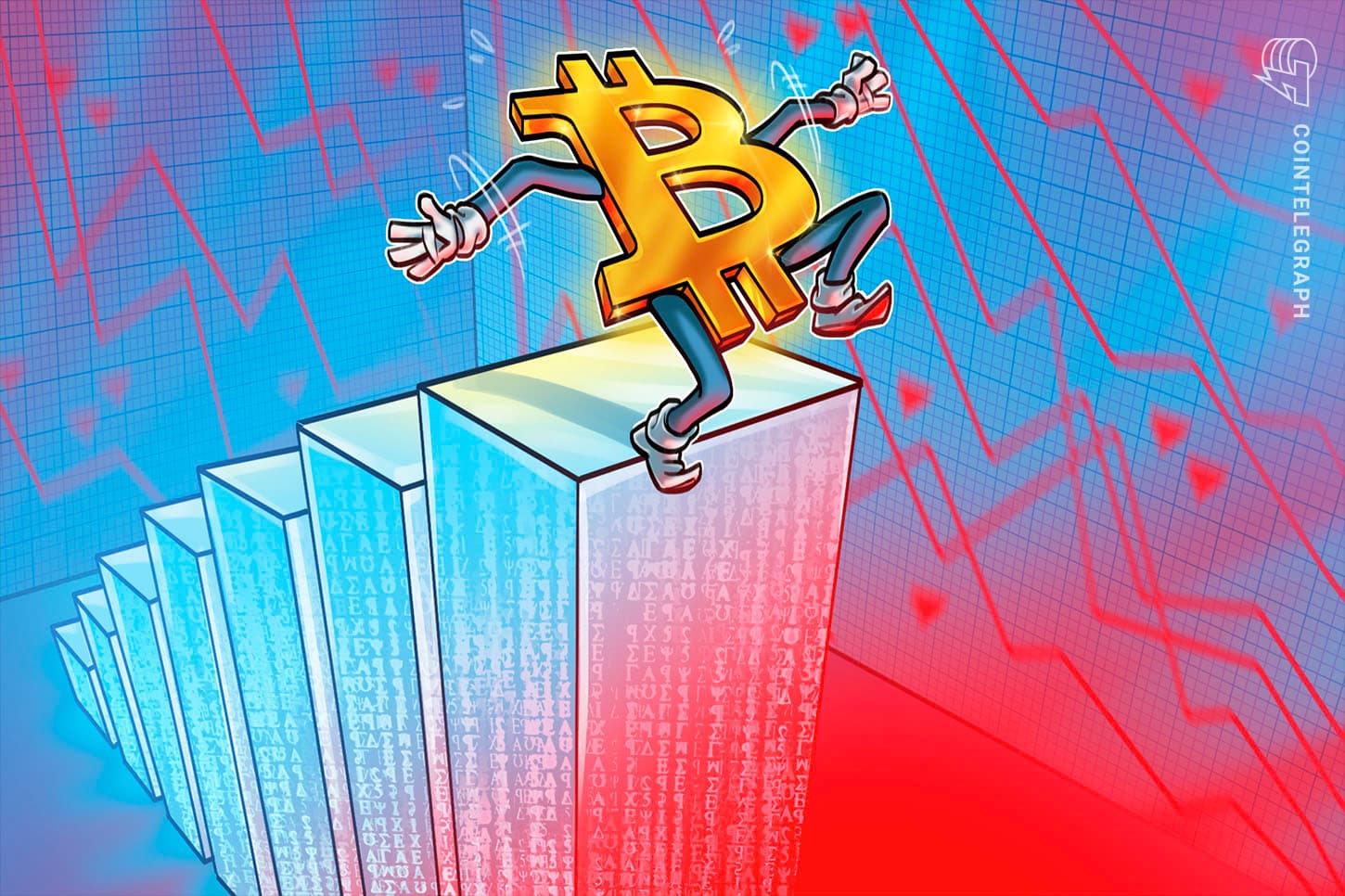
CryptoQuant urged Strategy to pause Bitcoin buying as dividend coverage shrank. Meanwhile, CBOE eyes crypto perpetual futures and Chainlink joins a stablecoin FX project.
⚠️ Disclaimer: Cryptocurrency content on AiFeed24 is for informational purposes only and does not constitute financial or investment advice. Crypto investments are highly volatile and risky. Always consult a qualified financial advisor before making investment decisions.
Key Insights
10 editorial insights.
CryptoQuant's recommendation to pause Bitcoin purchases is indicative of a broader trend where traders are becoming increasingly cautious as dividend coverage diminishes. This signifies a potential shift in investor sentiment, as market participants may start prioritizing risk management over aggressive accumulation strategies.
CBOE's interest in launching crypto perpetual futures marks a pivotal moment for institutional involvement in the cryptocurrency market. Given CBOE's established reputation in options trading, their entry could lend credibility to crypto products, potentially attracting more institutional investors and amplifying market liquidity.
The collaboration between Chainlink and a stablecoin FX project highlights the strategic importance of integrating blockchain technology with traditional financial mechanisms. As stablecoins gain mainstream acceptance, projects like this could bridge the gap between crypto and fiat currencies, enhancing usability for everyday transactions.
For companies and developers, these developments could reshape how they approach the crypto market. For instance, if Bitcoin purchasing strategies shift due to market conditions, companies relying on cryptocurrency for treasury management may need to reassess their financial strategies, impacting cash flow and investment plans.
The past 12-24 months have seen a surge in institutional interest in cryptocurrencies, alongside increased regulatory scrutiny. As organizations like CBOE explore crypto products, this trend suggests a maturation of the market, where traditional finance begins to integrate more deeply with digital assets, potentially reshaping investment landscapes.
The cryptocurrency market is estimated to be worth over $1 trillion, with Bitcoin dominance remaining a significant factor. However, as various cryptocurrencies and projects emerge, the dynamics of market capitalization are shifting, prompting investors to diversify their portfolios beyond just Bitcoin.
This evolving landscape introduces risks such as regulatory challenges and market volatility, particularly for less established cryptocurrencies. As institutions delve into crypto products, they may face compliance hurdles, which could hinder innovation and create uncertainty for developers navigating varying regulatory environments.
Competitors in the financial sector, particularly those offering traditional derivatives or trading platforms, may respond by fast-tracking their own crypto offerings or partnerships. This could lead to a more competitive environment, where firms are compelled to innovate rapidly to capture the growing interest in cryptocurrencies from retail and institutional investors alike.
Key regulatory milestones to watch include potential clarity on digital asset classification and taxation, which could significantly impact how cryptocurrencies are treated by both investors and institutions. Any new regulations could either bolster confidence in the market or create additional barriers for entry.
For technology professionals and investors, these developments signal a critical juncture in the cryptocurrency space, where strategic foresight and adaptability will be paramount. Understanding the implications of institutional involvement and regulatory changes will be essential for navigating future investment opportunities and technological advancements.
As Bitcoin's market dynamics shift, CryptoQuant has advised investors to reconsider their buying strategies due to declining dividend coverage. This cautionary stance highlights the growing complexities in the cryptocurrency landscape, especially amidst emerging trends such as perpetual futures and stablecoin projects. Understanding these developments is crucial for both investors and developers navigating this volatile market.
The technical underpinnings of Bitcoin hoarding are multifaceted, involving market liquidity, investor sentiment, and the interplay of various trading instruments. With the rise of perpetual futures being eyed by platforms like CBOE, these derivatives could significantly influence Bitcoin's price stability and trading volume. Additionally, mechanisms like Chainlink's integration into stablecoin foreign exchange projects showcase how traditional finance and crypto are increasingly converging, altering the investment landscape.
In the broader cryptocurrency sector, the trend of hoarding Bitcoin is increasingly scrutinized as market volatility persists. With Bitcoin's market cap fluctuating in correlation with macroeconomic events, competitors are leveraging alternative strategies, such as offering yield-generating opportunities on stablecoins. Recent data indicates a slowdown in the Bitcoin accumulation trend, prompting investors to diversify into altcoins and explore innovative financial products.
The impact on India's tech ecosystem is significant, as local startups and investors are reassessing their positions in light of these developments. Companies like WazirX and CoinDCX are actively seeking to adapt to these market dynamics, focusing on educational initiatives to guide users on responsible trading practices. Additionally, Indian developers working on blockchain solutions are increasingly involved in projects that prioritize financial stability and user protection.
Key Highlights
- CryptoQuant urges investors to rethink Bitcoin accumulation strategies.
- Emerging derivatives like perpetual futures may reshape trading practices.
- Bitcoin's market cap fluctuations hint at a shift towards alternative investments, with reports suggesting a 20% decline in hoarding activity.
- Investors diversifying portfolios benefit as they explore altcoins and new financial products.
- Anticipate further regulatory discussions around derivatives and stablecoins in the coming months.
Real-World Impact
The immediate effects of these developments are being felt across various roles in the tech and finance sectors. Traders and analysts are adjusting their strategies, while developers in the blockchain space are focusing on creating more robust financial products. Financial advisors are now tasked with educating clients on the implications of hoarding versus diversification in cryptocurrency investments.
Why This Matters
This situation underscores a pivotal shift in investment strategies within the cryptocurrency realm. As traditional financial models begin to adopt blockchain principles, CTOs and developers should pivot towards innovative solutions that enhance user experience and financial security. Embracing a diversified approach could become essential in mitigating risk in an ever-evolving market landscape.
As the cryptocurrency market continues to mature, investor behavior will remain a key area to watch. The evolution of derivatives and stablecoins is likely to influence trading strategies significantly in the near future.
Found this useful? Share it!