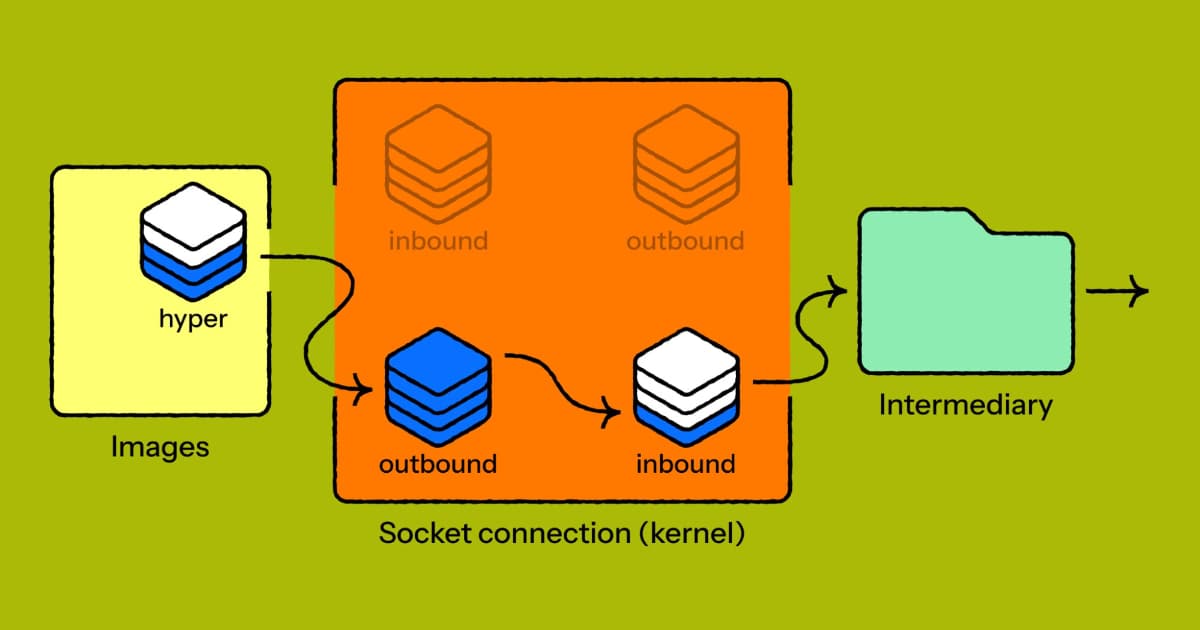
Cloudflare recently documented how its development team identified and fixed a rare bug in the widely used Rust HTTP library hyper that could silently truncate large HTTP responses while still returning a successful 200 OK status. The issue had existed for years, was triggered only under specific ti
Key Insights
10 editorial insights.
Cloudflare's development team has identified a significant bug in the Rust-based HTTP library, Hyper, which can lead to incorrect HTTP response handling. This vulnerability, present for years, can truncate large HTTP responses while still indicating a successful 200 OK status. This flaw poses risks for a myriad of applications and services, especially those relying on Hyper for their HTTP operations.
The bug resides in the core code of Hyper, specifically affecting how it handles large HTTP responses. When the library processes these responses, it may not accurately reflect the full content length, leading to truncated data being sent to clients. This occurs without raising any errors, potentially leaving developers unaware of the issue. The technical intricacies of Rust's memory management and performance optimizations contribute to the conditions under which this bug manifests, highlighting the challenges in ensuring reliability in high-performance libraries.
In the broader context of the industry, Hyper is a cornerstone for many web applications due to its performance benefits and ease of use in Rust environments. Competitors like Actix and Warp also serve similar purposes, but the discovery of this critical bug raises questions about the reliability of the libraries that underpin modern web infrastructure. The incident underscores a growing trend in software development where open-source libraries, while powerful, require rigorous scrutiny and ongoing maintenance to mitigate potential vulnerabilities.
For the Indian tech ecosystem, the impact of this bug could be significant. As more companies adopt Rust for backend services, particularly in fintech and e-commerce, the risk of encountering this bug increases. Indian startups and firms leveraging Hyper in their technology stacks must prioritize updating their systems to the latest versions of the library. This is particularly vital for businesses that manage sensitive user data or operate in compliance-heavy sectors.
Key Highlights
- Cloudflare's team identified and fixed a critical bug.
- The issue affects the handling of large HTTP responses.
- Affecting numerous applications, this vulnerability could impact millions of users globally.
- Developers using Hyper stand to benefit from the fix and improved data integrity.
- Expect further updates from Cloudflare and the Rust community on best practices.
Real-World Impact
The immediate effects of this bug are felt across various roles, especially among backend developers and software engineers who utilize the Hyper library. Companies that build web services or applications using this library must act swiftly to implement the patch and verify their systems for potential vulnerabilities. Additionally, industries reliant on accurate data transmission, such as banking and online retail, face risks that could affect user experience and trust.
Why This Matters
This incident highlights the critical nature of software reliability in an increasingly cloud-based world. For CTOs and developers, it underscores the need for continuous monitoring and updating of libraries, as even well-established tools can harbor hidden bugs. Beyond just fixing issues, organizations should adopt a proactive approach to software quality and vulnerability management in their tech stacks.
Moving forward, developers should keep an eye on the Rust ecosystem for additional updates and best practices to avoid similar vulnerabilities. The importance of maintaining robust and secure libraries will only grow as cloud services continue to dominate the tech landscape.
Deep Analysis
Multi-Source Intelligence
Found this useful? Share it!