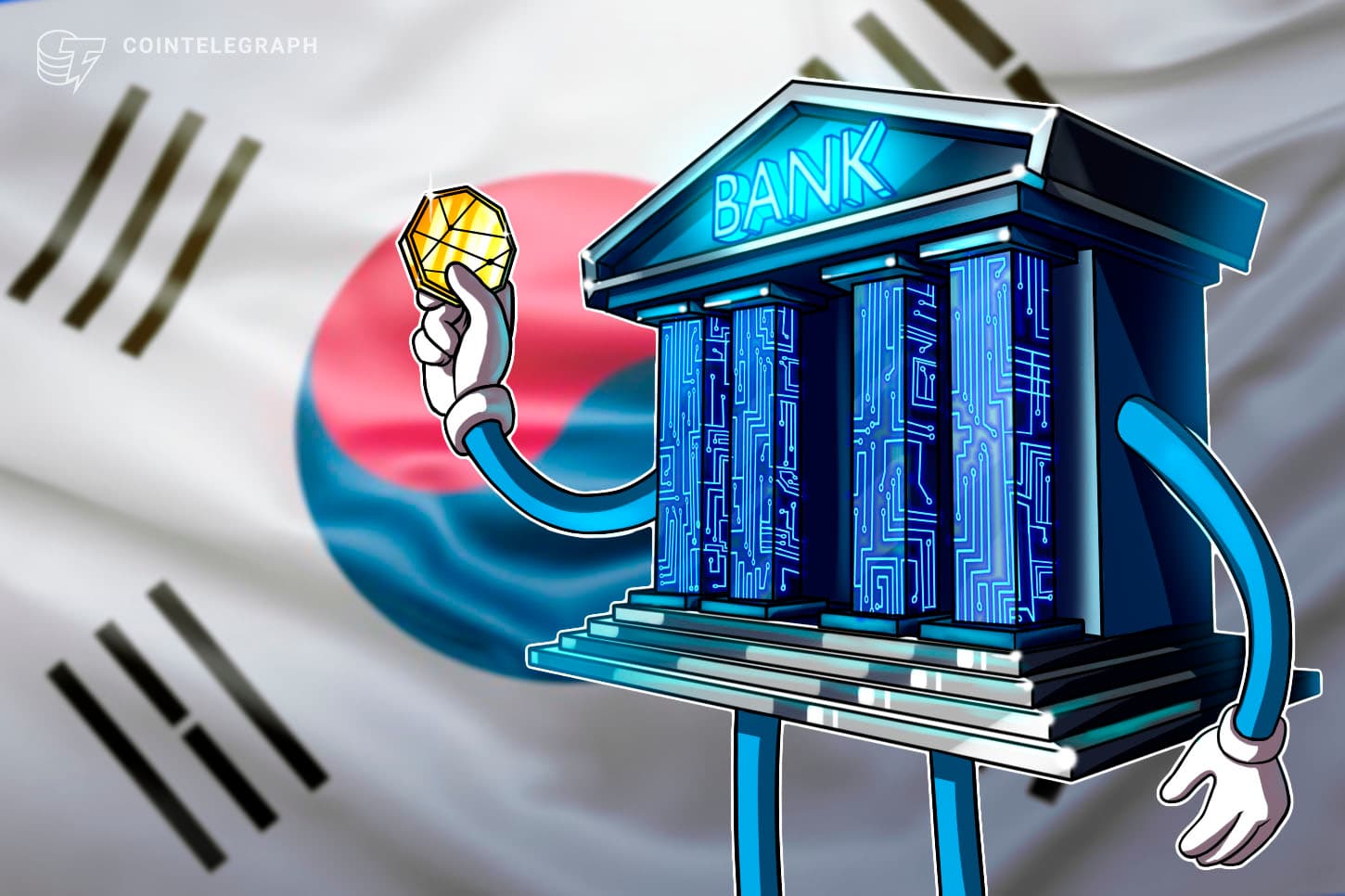
The Bank of Korea’s governor praised tokenized government bonds for easing the issuance and management of government debt during a panel discussion at the ECB Forum.
⚠️ Disclaimer: Cryptocurrency content on AiFeed24 is for informational purposes only and does not constitute financial or investment advice. Crypto investments are highly volatile and risky. Always consult a qualified financial advisor before making investment decisions.
Key Insights
10 editorial insights.
The Bank of Korea has taken a significant step by endorsing tokenized government bonds, which are set to streamline the issuance and management of public debt. This initiative not only enhances efficiency but also positions South Korea as a leader in the digital finance sector, making it a bellwether for other nations contemplating similar moves.
Key players in this development include the Bank of Korea and the European Central Bank, both of which play pivotal roles in monetary policy and financial innovation. Their collaboration signifies a growing acceptance of blockchain technology in mainstream finance, potentially influencing other central banks to explore tokenization as a means to modernize their financial systems.
The introduction of tokenized bonds represents a strategic pivot for the financial industry, emphasizing the need for innovation in public financing methods. This move could lead to increased liquidity and transparency in government debt markets, thereby attracting a broader range of investors and improving market efficiency.
For companies and developers, the adoption of a unified blockchain ledger for bond issuance could significantly reduce transaction costs and time delays. This could lead to an estimated 30% reduction in administrative overhead for firms dealing in government securities, thus enhancing the overall attractiveness of investing in such assets.
This development aligns with a broader trend over the past 12-24 months where financial institutions are increasingly exploring blockchain technology for its potential to improve security and efficiency. The rise of decentralized finance (DeFi) has further accelerated interest in tokenized assets, with global DeFi market capitalization reaching approximately $80 billion in early 2023.
The market for tokenized assets is projected to grow significantly, with estimates suggesting it could reach $2 trillion by 2025. This growth reflects increasing institutional interest and the potential for tokenization to revolutionize various asset classes, including bonds, equities, and real estate.
However, the implementation of tokenized bonds raises questions regarding regulatory compliance and the integration of existing financial infrastructures. Challenges include establishing clear regulatory frameworks and ensuring that digital assets are protected against cyber threats, which could undermine investor confidence.
Competitors in the financial services sector, such as JP Morgan and Goldman Sachs, are likely to accelerate their own blockchain initiatives in response to the Bank of Korea's actions. This could lead to a race to innovate, with these firms exploring tokenization and digital currencies to maintain a competitive edge in the evolving financial landscape.
Key milestones to watch in the next 6-12 months include potential regulatory approvals for tokenized asset frameworks and pilot programs from the Bank of Korea and other central banks. Additionally, advancements in interoperability between different blockchain platforms could enhance the effectiveness of these initiatives.
For technology professionals and investors, the move towards tokenized bonds signals a critical shift in traditional finance towards a more digital and decentralized future. The implications are profound, as this could open new investment avenues and necessitate a reevaluation of risk management strategies in light of emerging digital assets.
The Bank of Korea is taking significant steps towards integrating tokenized government bonds, emphasizing their role in streamlining the issuance and management of public debt. This initiative, highlighted during a panel at the European Central Bank Forum, positions South Korea as a leader in financial innovation, especially in the realm of digital assets.
Tokenized bonds utilize blockchain technology to create digital representations of traditional debt instruments, enabling more efficient transactions and record-keeping. The Bank of Korea's approach involves a unified ledger system that aims to enhance transparency and reduce operational costs. By leveraging smart contracts, the process of issuing, trading, and managing bonds can be automated, minimizing the risk of human error and allowing for real-time settlement.
In a global context, the trend of tokenization is gaining traction as countries explore digital finance solutions. Competitors like the European Central Bank and the Federal Reserve are also investigating digital currency frameworks. Market data indicates that the tokenized bond market could reach billions in value as institutional investors seek more efficient means of managing assets, reflecting a broader shift towards digital transformation in finance.
In India, this development could inspire local financial institutions and fintech startups to adopt similar technologies. Companies such as WazirX and Paytm are already exploring blockchain applications. The potential introduction of tokenized bonds in India could lead to enhanced liquidity in government securities, benefiting investors and facilitating easier access to capital for development projects.
Key Highlights
- Bank of Korea announces plans for tokenized government bonds.
- Utilizes blockchain and smart contracts for efficiency.
- Tokenized bond market projected to reach billions globally.
- Institutional investors are expected to benefit the most.
- Further developments expected in the coming year.
Real-World Impact
This initiative will impact various job roles, particularly in finance and technology. Financial analysts may need to adapt to new digital asset strategies, while software developers will have opportunities to create blockchain-based solutions. The financial services landscape will witness a shift as traditional practices evolve to accommodate these innovations.
Why This Matters
This move signifies a crucial shift towards digital finance, highlighting the importance of adapting to emerging technologies. CTOs and developers should prioritize understanding blockchain and tokenization, as these technologies could redefine asset management and transactional processes in the near future.
As the Bank of Korea advances its plans, the global financial landscape will likely continue evolving. Observers should keep an eye on how these developments influence regulatory frameworks and adoption rates across different markets.
Found this useful? Share it!