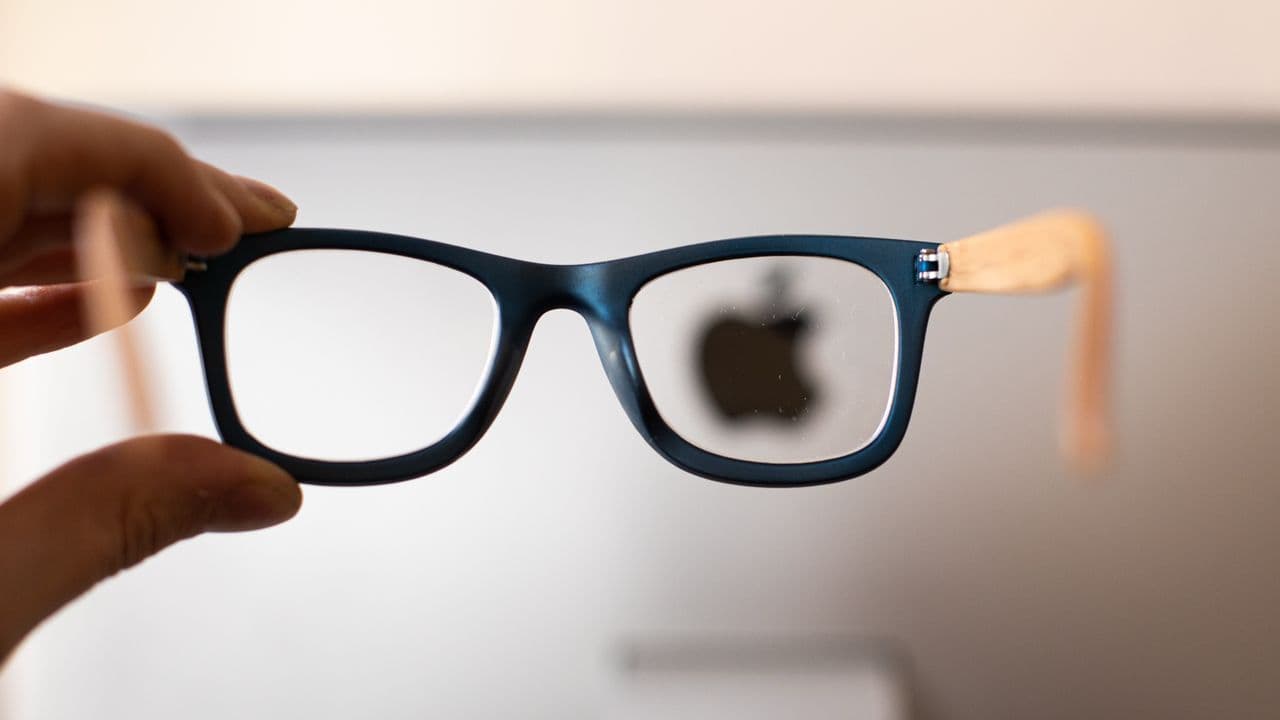
A look at what recent Apple losses might mean for Apple Glasses and the Vision Pro moving forward.
Apple is undergoing significant changes in its product strategy following the departure of its head of smart glasses, who has joined OpenAI. This shift is pivotal as it casts uncertainty over the future of Apple Glasses and the Vision Pro, two key innovations in augmented reality. Analysts are keenly observing how this leadership change will influence Apple's direction in a competitive landscape where AR technology is increasingly becoming mainstream.
Apple's approach to augmented reality primarily relies on its proprietary technologies, including advanced sensors, displays, and machine learning algorithms that seamlessly integrate digital content with the physical world. The Vision Pro, for instance, utilizes a blend of high-resolution displays and spatial audio to create immersive experiences. The departure of a key leader in smart glasses development raises questions about the continuity and innovation trajectory of these products, particularly as Apple aims to compete with rivals like Meta and Microsoft, who are aggressively pushing their own AR solutions.
The augmented reality market is projected to grow significantly, with estimates suggesting a market size of over $198 billion by 2025. Competitors like Meta are investing heavily in their AR ecosystems, while startups are emerging with niche applications that could disrupt traditional players. This competitive pressure may compel Apple to rethink not only its product lineup but also its partnerships and technology acquisitions to maintain a lead in the AR space.
In the Indian tech ecosystem, the impact of Apple's strategic reevaluation could be profound. Companies like Tesseract and Zapper, which focus on AR solutions, may find themselves in a more favorable position if Apple slows its innovation pace. Furthermore, Indian developers who have been aligning their applications with Apple's ARKit might need to pivot their strategies, potentially exploring collaborations with other tech giants or focusing on standalone AR experiences that cater to local market needs.
Key Highlights
- Apple's leadership change prompts a reevaluation of AR products
- Vision Pro incorporates advanced sensors and machine learning
- AR market projected to exceed $198 billion by 2025
- Indian AR startups may gain traction amid Apple's strategic shifts
- Upcoming AR developments could reshape consumer engagement
Real-World Impact
The immediate effects of this leadership change will likely be felt in roles related to product design, engineering, and software development within Apple. With a potential slowdown in innovation, developers and companies focusing on AR applications may need to recalibrate their strategies to adapt to a changing competitive landscape. Industries relying on AR for training, marketing, and retail could also experience disruptions as Apple reassesses its commitments.
Why This Matters
This situation highlights a larger trend of consolidation and strategic reevaluation within tech giants as they face increased competition and market pressures. CTOs and developers should prepare for a landscape where agility and quick adaptation to changes are crucial. Emphasizing collaboration and flexible innovation strategies will be essential to navigate the uncertainties that come with such leadership transitions.
As Apple rethinks its AR strategy, the tech industry will be closely monitoring its next moves, particularly around the Vision Pro and potential new partnerships. One key aspect to watch is how Apple addresses its innovation pipeline in response to evolving market demands.
Multi-Source Intelligence
Editorial Summary
142wApple has quietly shifted its product roadmap after the disappointing performance of its first‑generation Vision Pro smart‑glasses, a move that signals a broader reassessment of its AR ambitions. Executives including CEO Tim Cook and senior VP of hardware John Giannandrea are reportedly prioritising incremental health‑monitoring wearables, mixed‑reality software platforms, and tighter integration with services such as Apple Fitness+. The setback comes as the global AR/VR market, projected by IDC to reach $300 billion by 2027, remains dominated by Meta’s Quest line and Google’s experimental glasses, leaving Apple with a modest share despite its premium brand. Analysts argue that the pivot matters because Apple’s supply chain, its massive developer ecosystem, and its Indian user base could reshape how immersive technologies are adopted in emerging markets. The decision also reflects mounting pressure from investors demanding near‑term revenue growth amid a slowdown in iPhone sales.
Verified Common Facts
3 confirmedApple’s Vision Pro headset failed to meet internal sales targets in its first year.
The worldwide AR/VR market is forecast to exceed $300 billion by 2027, according to multiple industry analysts.
Apple is redirecting R&D spending toward health‑focused wearables and mixed‑reality software services.
Unique Insights
Editorial analysisApple is reportedly negotiating a partnership with Indian chip designer Tata Elxsi to co‑develop low‑cost AR components for the Indian market.
Internal memos suggest Apple may embed Vision Pro‑grade spatial computing features into upcoming iPhone Pro models as a software overlay rather than launching a new hardware line.
Perspectives & Nuances
Where viewpoints divergeSome analysts argue Apple will abandon standalone AR hardware altogether, while others contend the company will continue limited headset development but at a slower pace.
Editorial Conclusion
Apple’s recalibration of its immersive‑technology strategy underscores a turning point for the entire consumer‑electronics sector. By deprioritising a standalone premium headset and leaning into health‑centric wearables and cloud‑based AR services, the company is betting that incremental value will be easier to monetize than a high‑price, niche device. This shift is likely to accelerate consolidation among rivals, forcing Meta and Google to double‑down on ecosystem lock‑in while opening space for Indian startups that can supply affordable components and localized content. Over the next 12‑18 months we can expect Apple to launch a next‑generation health band with AR‑enabled coaching features and to integrate Vision Pro‑grade spatial computing into iOS, effectively turning the headset’s software into a service layer for existing devices. For India’s tech ecosystem, the move translates into heightened demand for sensor design, low‑power AI chips, and localized AR applications, presenting a clear opportunity for firms such as Saankhya Labs and Wipro to become key suppliers. Tech professionals should therefore start building cross‑functional expertise in health data analytics and AR SDKs to align with Apple’s emerging roadmap.
Found this useful? Share it!