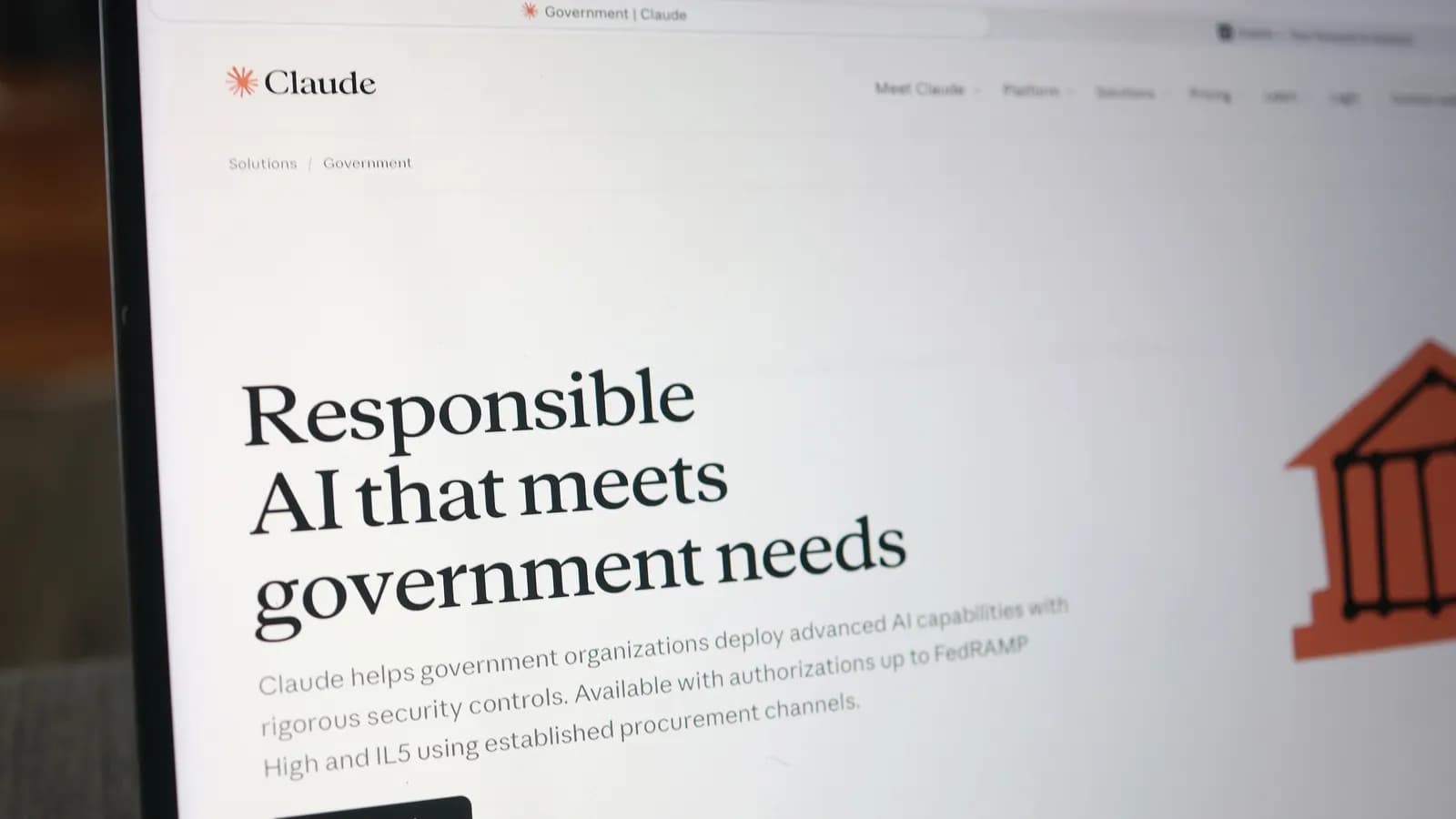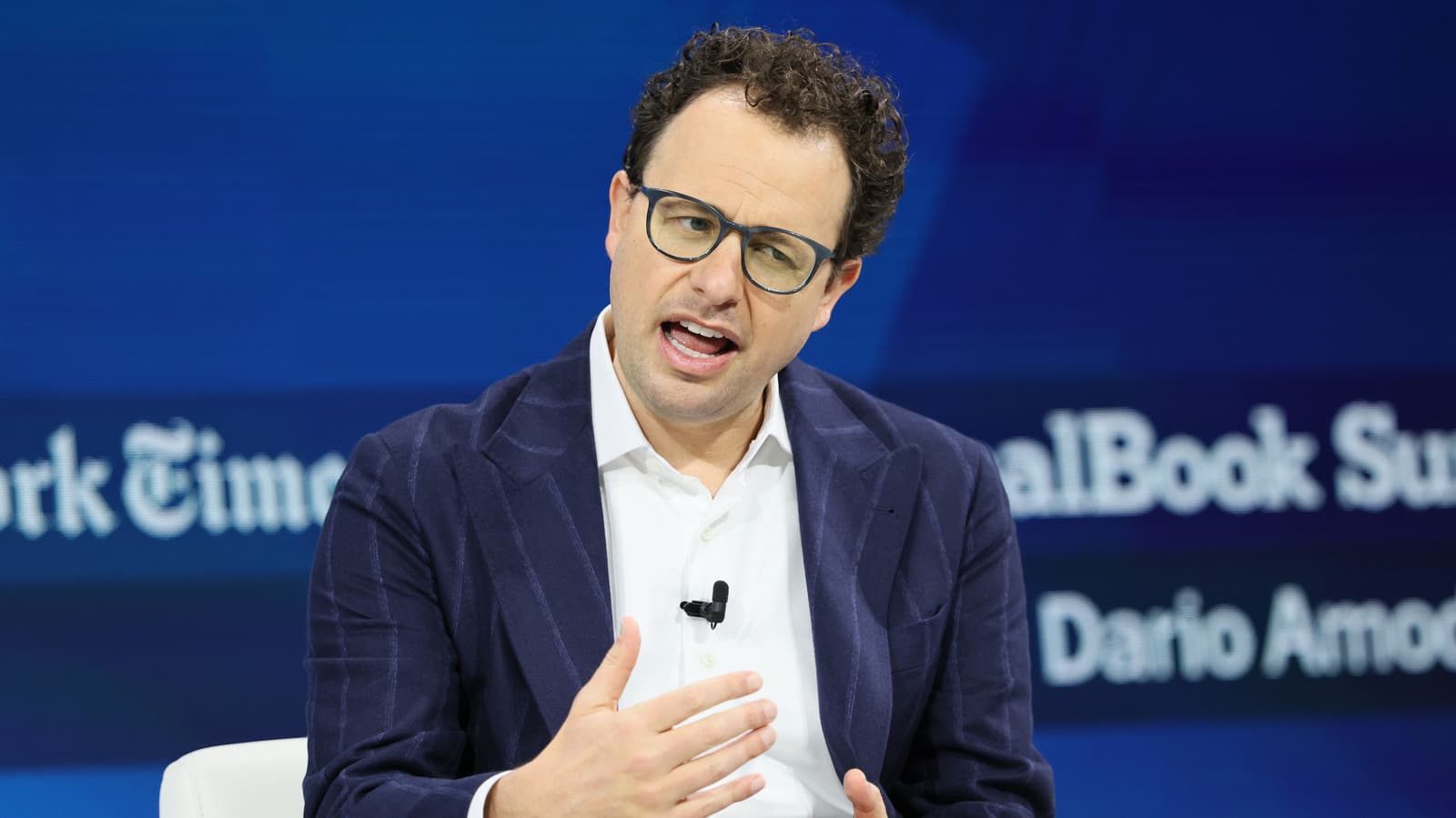
Anthropic is restoring select organizations' access to Mythos after getting permission from the US government.
Key Insights
10 editorial insights.
Anthropic's recent approval to redeploy its Mythos AI marks a significant step in harnessing advanced AI for cybersecurity purposes. This restoration allows select organizations to leverage Mythos' capabilities in real-time threat detection, enhancing their defenses against evolving cyber threats. The immediate significance lies in the government’s acknowledgment of AI's role in bolstering national security.
Key players in this development include Anthropic, a prominent AI research company, and the U.S. government, which has regulatory oversight in deploying AI technologies for critical sectors. Anthropic's focus on ethical AI development distinguishes it from competitors, positioning it as a leader in responsible AI applications, especially in sensitive areas like cybersecurity.
This approval signifies a strategic shift in the cybersecurity landscape, as AI tools become essential for proactive threat management. With increasing cyberattacks on infrastructure, AI-driven solutions like Mythos are crucial for organizations looking to stay ahead. This move not only validates the effectiveness of AI in security but also encourages further investment in similar technologies.
The business impact for organizations using Mythos is profound, as they can now access advanced machine learning capabilities to enhance their security protocols. Companies that integrate Mythos may experience reduced incident response times and lower costs associated with data breaches. This could lead to a competitive advantage in the marketplace, appealing to clients concerned about cybersecurity.
Over the past 12-24 months, there has been a noticeable trend towards integrating AI into cybersecurity frameworks, driven by the increasing sophistication of cyber threats. The global AI in cybersecurity market is projected to grow from $10 billion in 2022 to over $38 billion by 2026, indicating a robust demand for such technologies. Anthropic's initiative is a clear response to this trend, emphasizing the necessity for AI-driven solutions.
The cybersecurity AI market is experiencing a compound annual growth rate (CAGR) of approximately 25%, highlighting a significant demand for innovative solutions. As organizations face an estimated $6 trillion in damages from cybercrime annually, the need for effective AI tools like Mythos becomes increasingly urgent. Such statistics underline the critical importance of deploying AI to mitigate financial losses and enhance security measures.
This development introduces risks related to data privacy and ethical AI usage, particularly regarding the potential misuse of AI in surveillance and decision-making. Additionally, unresolved questions about regulatory compliance and the transparency of AI algorithms remain significant challenges. Organizations will need to navigate these concerns as they adopt advanced AI technologies.
Competitors in the cybersecurity space, such as CrowdStrike and Palo Alto Networks, will likely respond with their own AI-driven innovations or partnerships to maintain market relevance. As Anthropic gains traction with Mythos, other companies may invest heavily in research and development to offer comparable solutions. This could intensify competition and spur further technological advancements.
In the next 6-12 months, key milestones to watch include regulatory developments surrounding AI deployment in critical sectors and updates on the effectiveness of Mythos in real-world applications. Additionally, monitoring how organizations assess the impact of Mythos on their cybersecurity posture will provide insights into AI's real-world utility. These factors will shape the future landscape of AI in cybersecurity.
For technology professionals and investors, the successful deployment of Mythos signifies a potential tipping point for AI applications in cybersecurity. This could lead to increased funding and resources being directed towards AI research, resulting in innovative solutions that redefine industry standards. Understanding these dynamics will be crucial for stakeholders looking to capitalize on the evolving AI landscape.
Anthropic has received U.S. government approval to restore access to its cybersecurity-focused AI model, Mythos, for select organizations. This development is significant as it underscores regulatory shifts that may influence AI deployment in sensitive sectors, particularly cybersecurity, where threats are escalating.
Mythos operates on advanced natural language processing algorithms, designed to analyze and predict cyber threats by leveraging vast datasets. This AI model integrates anomaly detection and threat intelligence, enabling organizations to identify vulnerabilities and respond proactively. The underlying architecture is built on transformer models, similar to those used in other AI applications, but fine-tuned for cybersecurity scenarios. Enhanced with real-time data monitoring capabilities, Mythos aims to streamline threat mitigation efforts.
The broader cybersecurity landscape is increasingly competitive, with firms like OpenAI and Google also developing AI-driven solutions. The global cybersecurity market is projected to reach $345 billion by 2026, driven by rising cyber threats and the demand for automated defenses. Organizations are now seeking AI solutions that not only protect networks but also adapt to evolving threats, emphasizing the importance of real-time learning and predictive analytics in security measures.
In India, the impact of Mythos could be transformative for the burgeoning tech ecosystem. Indian firms, particularly those in IT services and fintech, stand to benefit significantly from enhanced cybersecurity measures. Companies like TCS and Infosys, which are heavily invested in digital transformation, will find AI-driven solutions crucial for safeguarding their infrastructure. As India's digital landscape expands, the need for robust cybersecurity will only grow, making tools like Mythos essential for business continuity.
Key Highlights
- Anthropic restores access to Mythos AI for select organizations
- Mythos utilizes advanced natural language processing and anomaly detection
- Cybersecurity market expected to reach $345 billion by 2026
- Indian IT firms and fintech companies benefit from enhanced cybersecurity
- Expect further regulatory developments in AI deployment in 2024
Real-World Impact
Roles in cybersecurity, IT management, and compliance will see an immediate impact as organizations integrate Mythos into their security protocols. Industries such as finance, healthcare, and e-commerce are particularly vulnerable to cyber threats, making this technology vital. The adoption of Mythos can streamline operations, reduce vulnerabilities, and enhance overall security postures.
Why This Matters
This relaunch represents a significant shift toward more collaborative regulatory frameworks for AI in sensitive sectors like cybersecurity. CTOs and developers should prioritize integrating AI tools that not only enhance security but also comply with evolving regulations. This development emphasizes the need for agility in adapting to new technologies and guidelines.
Looking ahead, the focus will be on how regulatory bodies further shape the AI landscape. Organizations should prepare for more advanced capabilities in AI-driven cybersecurity solutions and remain vigilant about compliance requirements that may emerge.
Multi-Source Intelligence
Editorial Summary
128wAnthropic has relaunched its Mythos AI platform as a purpose‑built cyber‑defense engine, signaling the company's push into the rapidly expanding AI‑security market. The move places Anthropic alongside rivals such as OpenAI and Google in offering large‑language‑model‑powered threat detection, while promising faster identification of vulnerabilities in code, logs and network traffic. Analysts point to a projected $30 billion global market for AI‑enhanced cybersecurity by 2028, making the timing critical for enterprises seeking to harden digital perimeters. By bundling real‑time threat intelligence with generative reasoning, Mythos aims to reduce false positives and automate response workflows, a capability that could reshape security operations centers worldwide. The relaunch matters now because cyber‑attack sophistication is outpacing traditional tools, and organizations are increasingly willing to adopt advanced AI solutions to stay ahead of adversaries.
Verified Common Facts
3 confirmedAnthropic has reintroduced its Mythos AI platform, positioning it as a dedicated solution for detecting and mitigating cyber threats.
The revamped Mythos leverages large language model capabilities combined with real‑time threat intelligence feeds to analyze code, logs, and network traffic.
Industry analysts estimate the AI‑driven cybersecurity market will exceed $30 billion by 2028, and Anthropic aims to capture a share by targeting enterprise customers.
Unique Insights
Editorial analysisOne source notes that Mythos incorporates a proprietary red‑team simulation module that lets organizations test defenses against AI‑generated attack scenarios.
Another source highlights Anthropic’s partnership with Tata Communications to host Mythos on Indian sovereign cloud infrastructure, addressing data residency concerns for domestic enterprises.
Perspectives & Nuances
Where viewpoints divergeSome outlets stress Mythos’s speed advantage in threat triage, while others emphasize its higher accuracy and reduced false‑positive rate, leading to divergent views on its primary competitive edge.
Editorial Conclusion
The Mythos relaunch underscores a turning point where generative AI moves from experimental chatbots to mission‑critical security tools, accelerating the convergence of AI and cyber‑defense. As enterprises grapple with increasingly automated attacks, platforms that can both anticipate and simulate threats will become indispensable, suggesting that AI‑centric security solutions could command a sizable slice of the projected $30 billion market by 2028. For India, Anthropic’s local hosting partnership signals a strategic opening for homegrown cloud providers and a boost to the nation’s cybersecurity talent pipeline, potentially positioning Indian firms as early adopters and regional service hubs. Tech professionals should therefore prioritize upskilling in prompt engineering and AI‑augmented incident response to stay relevant in this emerging security paradigm.
Found this useful? Share it!