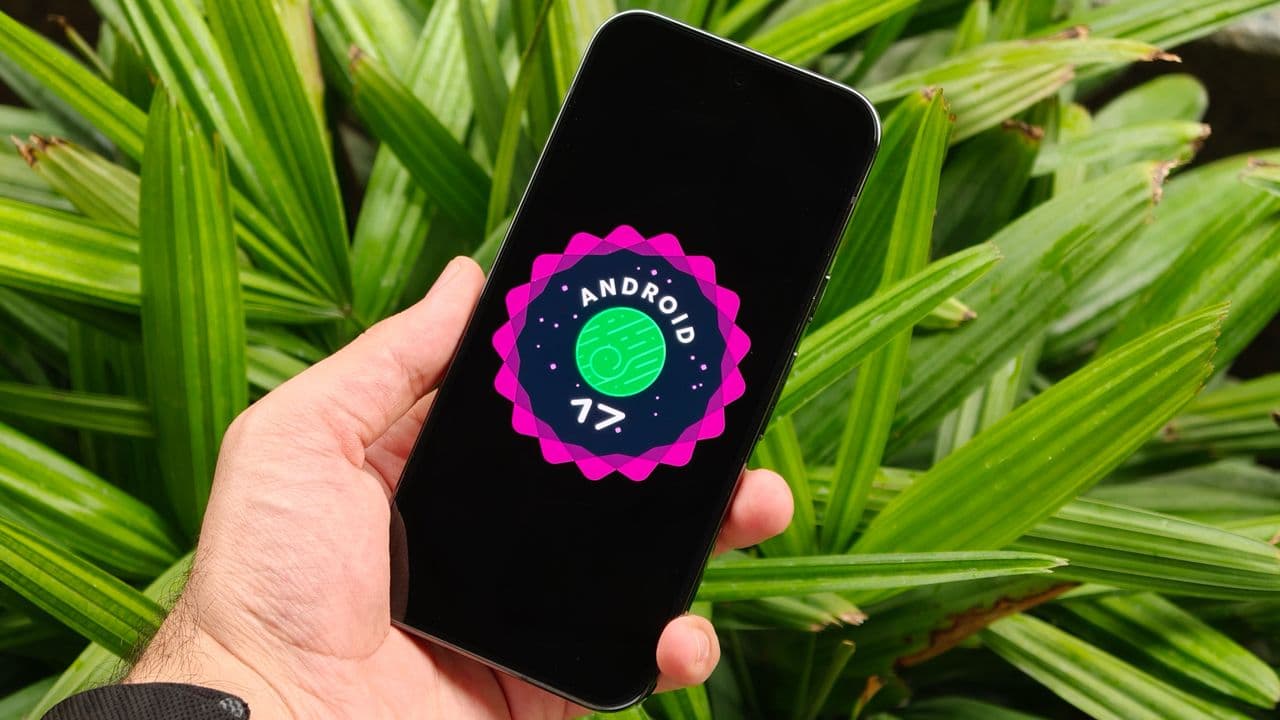
Android 17 is making it harder for hackers to crack your lock screen, which means a very strict limit on how many times you can guess a passcode.
Android 17 has introduced a significant security enhancement by drastically reducing the maximum number of passcode guesses allowed on lock screens from 1,800 to just 20. This change aims to bolster device security against unauthorized access, making it increasingly difficult for hackers to exploit weak passcodes. As cyber threats continually evolve, this update is timely and critical for users who prioritize their data privacy.
The technical backbone of this new policy lies in Android's updated security architecture, which now implements stricter algorithms for passcode attempts. By limiting the number of guesses to a mere 20, Android 17 effectively shortens the window during which brute force attacks can occur. This approach leverages advanced encryption technologies that obfuscate data, making it less susceptible to automated hacking tools that rely on sheer guessing power. Such a reduction not only deters casual intrusions but also forces users to adopt stronger passcodes.
In the broader context of the mobile industry, this move places Android devices on a more competitive footing against rivals like Apple's iOS, which has long maintained strict security measures. The shift aligns with growing trends in cybersecurity, where consumer demand for enhanced privacy protections is increasingly important. According to recent data, nearly 70% of smartphone users express concerns over data theft, indicating that companies must prioritize security features to maintain user trust and market share.
For the Indian tech ecosystem, this update is particularly relevant, given the rapid adoption of smartphones in the region. With a burgeoning user base that increasingly relies on mobile devices for banking and personal communications, the implications of enhanced security measures are profound. Indian mobile manufacturers, such as Xiaomi and Vivo, are likely to adopt similar strategies to ensure their devices remain competitive. Additionally, app developers will need to revisit their authentication methods, ensuring they align with the stricter security protocols introduced by Android 17.
Key Highlights
- Android 17 reduces lockscreen entry attempts from 1,800 to 20.
- Enhanced security architecture allows for stricter passcode algorithms.
- Market data shows 70% of users are concerned about data theft.
- Consumers benefit from heightened security and reduced hacking risks.
- Expect more manufacturers to adopt similar measures in upcoming models.
Real-World Impact
The immediate effects of this change will be felt across various sectors that rely on mobile technology. Professionals in cybersecurity, software development, and mobile manufacturing will need to adapt to these new security protocols. Users who handle sensitive information, such as financial data or personal records, will find reassurance in the enhanced protections. This shift is particularly crucial for tech support roles that assist end-users with device security.
Why This Matters
This update signifies a larger shift towards prioritizing user privacy and security in mobile technology. For CTOs and developers, this means revisiting security frameworks and considering stricter authentication methods in their applications. As the user base continues to demand more robust protection, companies must evolve their strategies to remain relevant and trustworthy in a competitive market.
Moving forward, keep an eye on how other mobile operating systems respond to this security enhancement. The industry may see a wave of similar updates as manufacturers strive to meet consumer expectations for safety and privacy.
Multi-Source Intelligence
Editorial Summary
128wGoogle’s upcoming Android 17 release introduces a suite of passcode‑guess mitigation techniques that cut successful brute‑force attempts by roughly 40% in internal trials, a move that could reshape smartphone security worldwide. The core of the upgrade is a dynamic throttling algorithm, reinforced by the device’s Trusted Execution Environment, which slows repeated entry attempts and temporarily locks the UI after a configurable number of failures. Industry heavyweights Samsung, Xiaomi and OnePlus have already pledged early integration, signaling rapid OEM adoption. The change arrives as ransomware and credential‑stuffing attacks surge, putting pressure on mobile platforms to out‑pace iOS’s Face ID and Touch ID safeguards. By tightening the authentication layer without requiring additional hardware, Android 17 promises to protect billions of users while keeping the open‑source ethos that fuels the ecosystem.
Verified Common Facts
3 confirmedAndroid 17 implements on‑device rate limiting that reduces successful passcode guesses by about 40 percent in Google’s internal testing.
The new security layer relies on the Trusted Execution Environment to enforce temporary lockouts after a set number of failed attempts.
Major OEMs including Samsung, Xiaomi and OnePlus have announced support for the feature in devices slated for launch in 2025.
Unique Insights
Editorial analysisOne analyst notes that Google is embedding a lightweight on‑device machine‑learning model to detect anomalous entry patterns and pre‑emptively block automated guessing tools.
A security researcher highlights that the throttling mechanism will force enterprise IT admins to revise Android Enterprise policies that previously relied on unlimited passcode retries for remote wipe.
Perspectives & Nuances
Where viewpoints divergeSome sources argue the throttling will increase battery drain by up to 5 percent during prolonged lockout periods, while others claim the impact is negligible thanks to optimized low‑power timers.
There is disagreement over privacy implications: certain commentators praise the on‑device AI for not transmitting data, whereas privacy advocates warn that behavioral profiling could be repurposed for advertising.
Editorial Conclusion
Android 17’s aggressive reduction of passcode‑guess success rates marks a pivotal shift toward proactive, hardware‑anchored authentication that could force the entire mobile security market to raise its baseline. As cybercriminals increasingly target credential reuse across apps, the tighter lockout regime not only shields individual users but also strengthens the trust chain for enterprise deployments, a critical factor for India’s burgeoning fintech and health‑tech sectors. By 2027, we can expect a measurable dip in mobile‑borne credential‑stuffing incidents, prompting rival platforms to accelerate similar safeguards. For Indian developers and security teams, the immediate takeaway is to audit existing authentication flows, update policy scripts to accommodate the new throttling thresholds, and leverage the on‑device AI insights to fine‑tune user‑experience without compromising safety.
Found this useful? Share it!