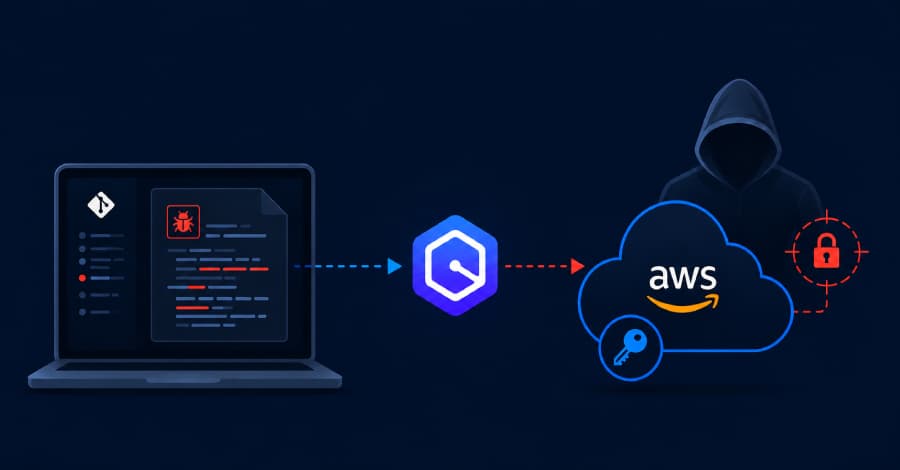
A high-severity flaw in Amazon Q Developer let a malicious repository run commands and steal a developer's cloud credentials. The path was short: a developer opens the repo, trusts the workspace, and Amazon Q does the rest. Amazon has patched it. Tracked as CVE-2026-12957 (CVSS 8.5), the bug sat in
Key Insights
10 editorial insights.
The discovery of a high-severity flaw in Amazon Q Developer, tracked as CVE-2026-12957, allows malicious repositories to execute commands and potentially steal cloud credentials. This incident highlights the vulnerability in developer environments where trust in third-party code can lead to severe security breaches, underscoring the need for stringent code verification protocols.
Amazon Web Services (AWS), a market leader in cloud computing, is directly affected by this vulnerability, as it could compromise user confidence in their products. Developers rely heavily on AWS for cloud solutions, and any breach in security could lead to a significant decline in user trust, impacting AWS's growth trajectory.
This breach underlines the critical importance of security in cloud development environments, especially as enterprises increasingly adopt DevOps practices. With the rapid transition to cloud-native architectures, ensuring robust security measures is paramount for maintaining operational integrity and safeguarding sensitive data.
For developers using Amazon Q, the risk of credential theft poses a concrete threat to their projects and data integrity. Companies might face substantial financial losses due to breaches, not to mention potential legal ramifications stemming from compromised customer data, which can lead to loss of business and reputation.
This incident is part of a broader trend where software supply chain vulnerabilities are becoming more prevalent, with the past year seeing significant increases in reported security flaws. The rise of DevSecOps practices emphasizes integrating security into the development process, but incidents like this show that gaps still exist in implementation.
The cloud computing market is projected to reach $832.1 billion by 2025, growing at a rate of approximately 17.5% annually. As cloud services expand, the importance of security in maintaining market share becomes more pronounced, making incidents like this a critical concern for all players in the space.
The primary risk arising from this incident is the potential for widespread exploitation of similar vulnerabilities in other cloud development tools, leading to a ripple effect across the industry. Moreover, unresolved questions about the depth of the vulnerability and whether similar flaws exist in other platforms remain pressing concerns for security teams.
Competitors such as Microsoft Azure and Google Cloud may leverage this incident to highlight their own security measures and promote confidence in their platforms. By showcasing robust security protocols and swift incident response strategies, they can attract developers who are concerned about vulnerabilities in AWS offerings.
In the next 6-12 months, tech companies should be vigilant for regulatory developments surrounding cloud security standards, as lawmakers increasingly focus on protecting digital infrastructure. Keeping abreast of any new compliance regulations will be crucial for organizations looking to mitigate risks and avoid penalties.
For technology professionals and investors, this incident serves as a stark reminder of the inherent risks associated with cloud development environments. It emphasizes the necessity for continual investment in security technologies and practices, as well as the potential financial implications for stakeholders if vulnerabilities are not adequately addressed.
A critical vulnerability in Amazon Q Developer has been discovered, allowing malicious repositories to execute commands and potentially steal cloud credentials from developers. This flaw, tracked as CVE-2026-12957 with a CVSS score of 8.5, raises urgent concerns about the security of development environments. With the increasing reliance on cloud-based services, understanding this vulnerability and its implications is vital for developers and organizations alike.
The vulnerability within Amazon Q lies in its handling of developer workspaces. When a developer opens a repository and implicitly trusts the associated workspace, the system can execute unauthorized commands. This flaw can lead to remote code execution, allowing attackers to manipulate cloud resources and gain sensitive information. The problem stems from misconfigurations in the Microsoft Cloud Platform (MCP) settings, which make it easier for malicious actors to exploit the trust placed by developers in their environments.
This incident highlights a broader trend in the tech industry, where security vulnerabilities in cloud services are becoming increasingly prevalent. Competitors such as Google Cloud and Microsoft Azure have faced similar challenges, leading to a heightened focus on security protocols and remediation strategies. In response to these incidents, companies are investing more in security audits and employing advanced threat detection systems to safeguard their platforms.
In the Indian tech ecosystem, this vulnerability could have significant ramifications for startups and established companies relying on Amazon's cloud services. Indian developers, particularly those in sectors such as fintech, e-commerce, and SaaS, could be at risk if they do not update their security practices. The incident serves as a reminder for Indian firms to prioritize security in their development lifecycles, ensuring they remain resilient against such exploitation attempts.
Key Highlights
- Amazon has patched a high-severity flaw in Amazon Q Developer.
- This vulnerability allows for remote code execution through MCP configurations.
- The incident underscores the need for enhanced security measures, particularly as cloud adoption rises.
- Developers who regularly use Amazon Q must update their configurations immediately.
- Expect heightened security awareness and potential regulatory scrutiny in the wake of this discovery.
Real-World Impact
The immediate impact of this vulnerability affects software developers, especially those who use Amazon Q for cloud-based projects. Roles such as DevOps engineers and security analysts will need to reassess their security protocols to mitigate risks. Industries heavily engaged with cloud technologies—like e-commerce, finance, and technology services—must adapt to prevent exploitation.
Why This Matters
This incident signifies a critical shift towards more robust security measures in cloud environments. As organizations increasingly adopt cloud solutions, the need for vigilance against vulnerabilities will grow. CTOs and developers should implement comprehensive security training and utilize automated tools to detect configurations that could lead to similar issues.
Moving forward, organizations must keep a close watch on updates from Amazon regarding their cloud services. Enhancements in security protocols are likely to emerge as a response to this vulnerability, making it essential for developers to stay informed about best practices.
Found this useful? Share it!