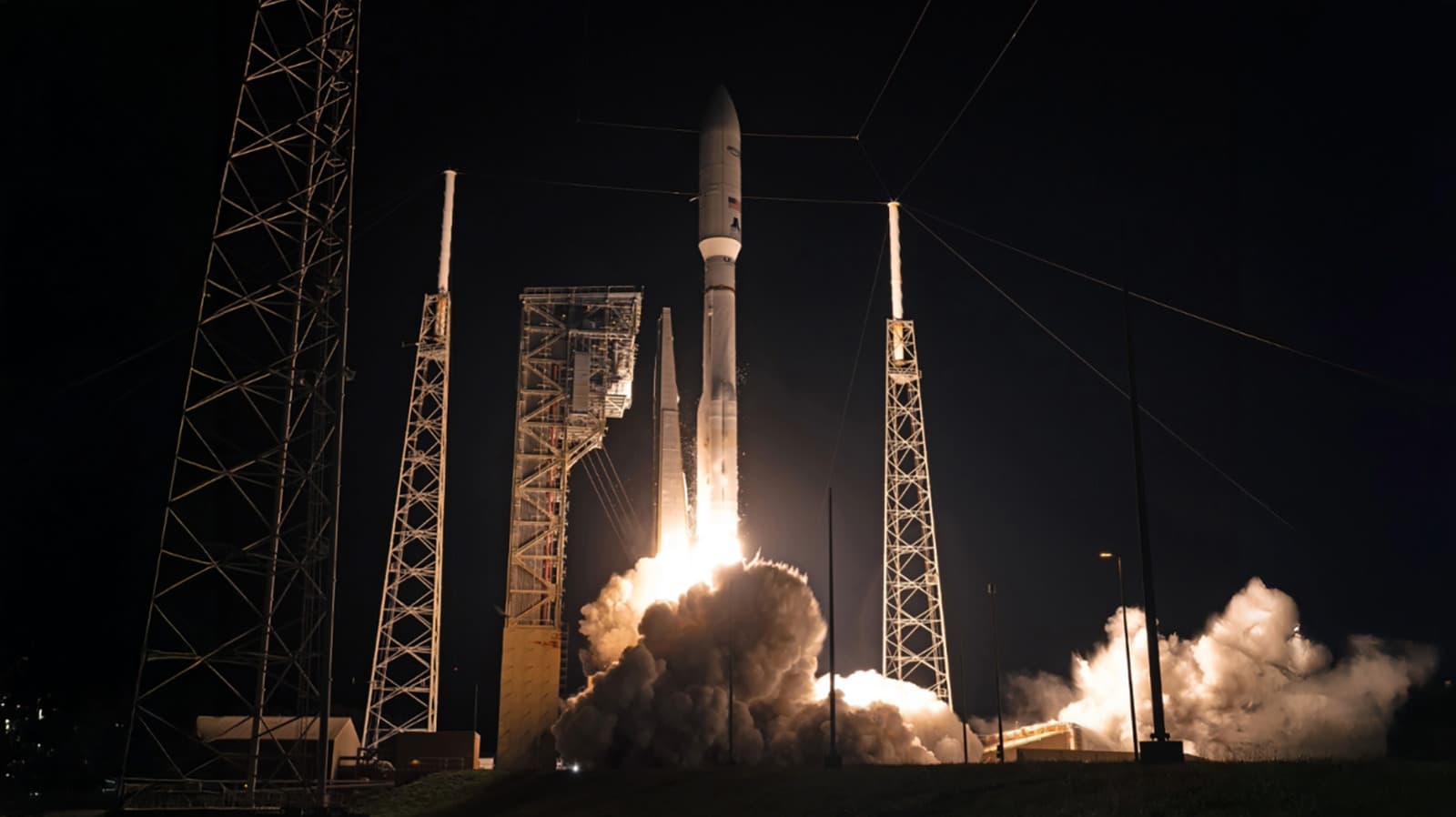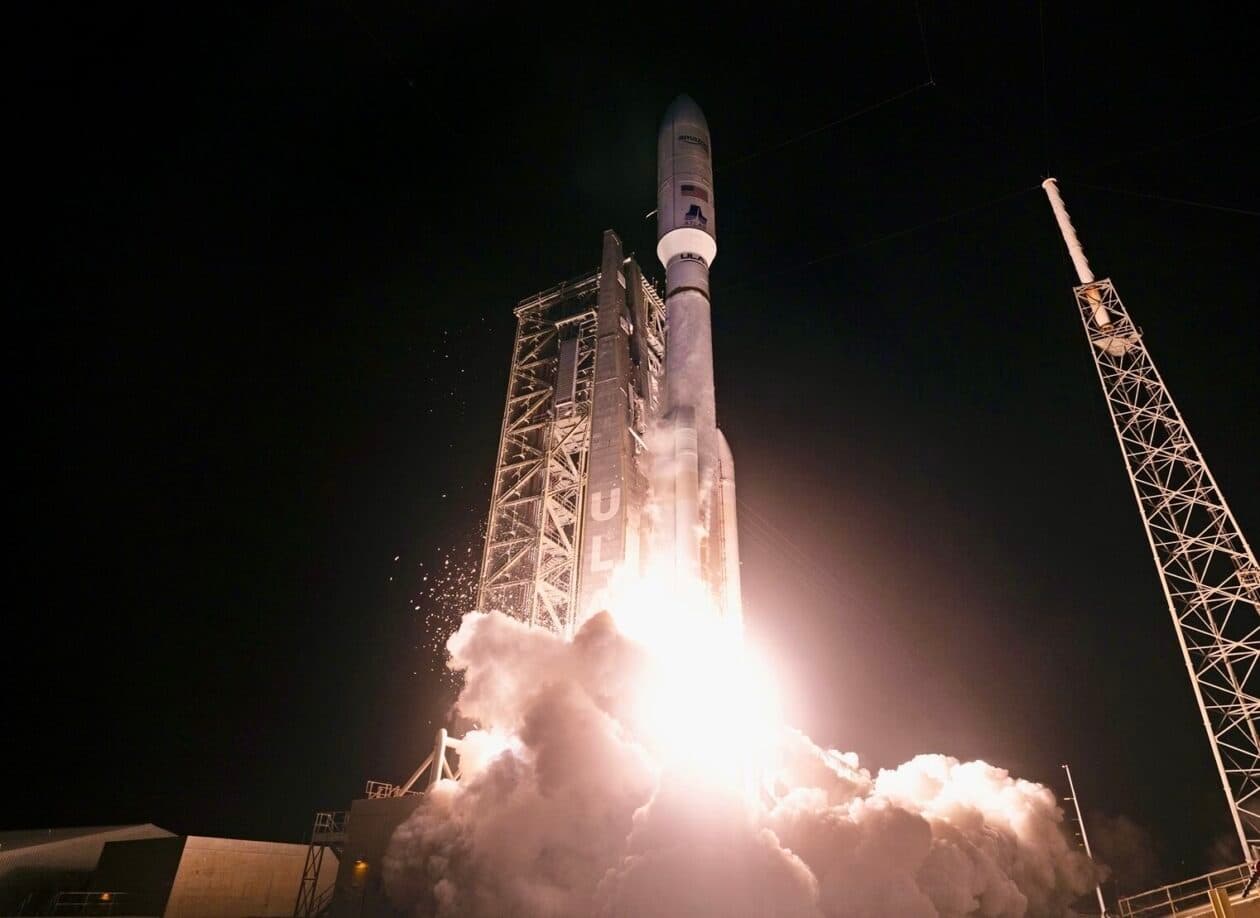
Competition with SpaceX's Starlink satellite network is expected to begin in earnest later this year. Read More
Key Insights
10 editorial insights.
Amazon's Leo Constellation has successfully launched enough satellites to initiate its broadband service, marking a significant milestone in its competition with SpaceX's Starlink. This deployment signals Amazon's commitment to expanding internet access globally and positions it as a serious contender in the emerging satellite broadband market.
Key players in this development include Amazon, with its Leo Constellation project, and SpaceX, which has established a robust user base with Starlink. The rivalry between these two giants underscores the growing importance of satellite technology in providing internet access, particularly in underserved regions.
The strategic importance of this development lies in the potential to disrupt traditional broadband models and expand market access. With growing demand for high-speed internet, particularly in rural areas, Amazon's entry could accelerate innovation and investment in satellite technologies across the industry.
For consumers, the rollout of Amazon's broadband service promises greater competition, which could lead to lower prices and improved service quality. Businesses that rely on stable internet connectivity, especially in remote areas, stand to benefit significantly from enhanced options in satellite broadband services.
This development aligns with a broader trend towards satellite internet solutions, as seen in the last 12-24 months with increasing investments and technological advancements. The global satellite internet market is projected to grow from approximately $5 billion in 2021 to over $30 billion by 2028, indicating a strong upward trajectory.
As Amazon enters this competitive landscape, questions arise regarding the sustainability and scalability of its satellite network. The market's rapid growth may strain existing regulatory frameworks and necessitate new guidelines to address potential overcrowding in orbital space.
In response to Amazon's advancements, competitors like OneWeb and other emerging satellite providers will likely ramp up their own deployment efforts and marketing strategies. This competitive pressure could lead to accelerated technological innovations and partnerships within the industry to enhance service offerings.
Key technical and regulatory milestones to watch include the successful activation of Amazon’s satellite network and compliance with FCC regulations. Additionally, the upcoming announcements regarding satellite performance and user adoption rates will provide insights into the viability of this broadband service.
For technology professionals and investors, the implications of Amazon's satellite broadband rollout will be significant. The convergence of telecommunications and space technology represents a disruptive opportunity, with potential for substantial returns on investment as market dynamics shift towards satellite-based solutions.
Ultimately, Amazon's Leo Constellation rollout signals a transformative shift in how broadband services will be delivered, emphasizing the importance of satellite technology. For investors, understanding this market's evolution and the competitive landscape will be crucial in making informed decisions about future investments in the tech sector.
Amazon's Leo Constellation has achieved a significant milestone, facilitating a pan-India broadband rollout. This development is crucial as it intensifies competition in the satellite internet market, setting the stage for a showdown with SpaceX's Starlink. The implications for connectivity across India are profound, particularly for underserved regions.
The Leo Constellation operates through a network of low Earth orbit (LEO) satellites designed to deliver high-speed internet to remote areas. By leveraging advanced technologies such as phased-array antennas and beamforming, it aims to offer reliable connectivity similar to that of terrestrial broadband. The architecture of the constellation allows for low latency and high throughput, making it suitable for a variety of applications, from everyday browsing to gaming.
In the broader context, the satellite internet sector is witnessing rapid evolution. With over 1,500 satellites in orbit, Starlink currently leads the market, but Amazon's entry signals a pivotal shift. Industry analysts project that the global satellite internet market could exceed $30 billion by 2026, driven by increasing demand for connectivity. As competition heats up, pricing and service offerings are expected to become more attractive for consumers.
In India, this rollout has the potential to revolutionize connectivity for millions. Companies like Bharti Airtel and Reliance Jio are already prominent players in the telecom sector, but the introduction of satellite internet could shift dynamics significantly. Rural areas, where traditional broadband infrastructure is lacking, stand to benefit the most, enabling access to educational resources, e-commerce, and telemedicine.
Key Highlights
- Amazon has launched its Leo Constellation for broadband coverage.
- The satellite network promises low latency and high-speed internet.
- The global satellite internet market could surpass $30 billion by 2026.
- Rural Indian communities are expected to gain substantial connectivity benefits.
- Competitive launches are anticipated later this year, particularly from SpaceX.
Real-World Impact
The launch of Amazon's Leo Constellation will directly impact roles within telecommunications and IT sectors across India. Internet service providers may need to adapt their strategies, while developers focusing on cloud services and mobile applications may see increased demand. Additionally, educational institutions and healthcare providers in rural areas can leverage enhanced connectivity for better service delivery.
Why This Matters
This development represents a significant shift towards democratizing internet access in India, particularly in underserved areas. CTOs and tech leaders must reassess their strategies for digital inclusion and consider partnerships with satellite providers to enhance their service offerings. The strategic focus should shift towards integrating satellite capabilities into existing infrastructure for broader access.
As Amazon's Leo Constellation prepares for its rollout, the tech landscape in India is poised for transformation. The upcoming competition with SpaceX will be a key development to watch, shaping the future of connectivity in the region.
Multi-Source Intelligence
Editorial Summary
131wAmazon has officially kicked off the commercial phase of its low‑Earth‑orbit Leo satellite constellation to extend high‑speed broadband into India’s most remote districts, marking the e‑commerce giant’s biggest foray into Indian connectivity. The rollout, coordinated with the Ministry of Communications and a partnership with Bharti Airtel, targets villages where 4G penetration remains below 30 percent, promising speeds rivaling urban fiber links. Industry analysts see the move as a strategic counter to rival satellite operators like SpaceX’s Starlink and OneWeb, while also bolstering Amazon’s ecosystem of AWS cloud services, Prime Video, and e‑commerce logistics. With the Indian government clearing spectrum and offering subsidies for rural broadband, the initiative arrives at a time when the country’s digital economy is projected to exceed $1 trillion by 2028, making reliable internet a critical growth lever.
Verified Common Facts
3 confirmedAmazon’s Leo satellite constellation is designed to deliver broadband speeds of up to 1 Gbps to underserved Indian regions.
The Indian government approved the allocation of Ku‑band spectrum for the Leo system in March 2024, enabling commercial deployment.
Amazon has entered a strategic partnership with Bharti Airtel to use its extensive ground‑station network for back‑haul connectivity.
Unique Insights
Editorial analysisOne source notes that Amazon is deploying solar‑powered ground stations in remote Indian locales to cut operational costs and carbon emissions.
Another source highlights that the Leo rollout is part of Amazon’s broader plan to integrate its Prime Video streaming service with high‑speed satellite broadband, aiming to boost subscriber growth in tier‑2 and tier‑3 cities.
Perspectives & Nuances
Where viewpoints divergeWhile Reuters and Bloomberg report that the commercial service will begin in Q4 2024, the Economic Times suggests the first consumer roll‑out will not occur until mid‑2025, reflecting differing expectations about regulatory clearance timelines.
Editorial Conclusion
Amazon’s Leo constellation represents more than a new broadband provider; it signals a structural shift in how global tech firms embed themselves in India’s digital infrastructure. By marrying satellite capacity with Airtel’s terrestrial network, Amazon can deliver low‑latency, high‑throughput connections that complement AWS edge services, potentially accelerating adoption of cloud‑native applications in agritech, tele‑medicine, and online education across villages that have historically lagged behind. The timing dovetails with the Indian government’s “Digital India” agenda and its recent policy to subsidize rural connectivity, suggesting that Amazon could capture a sizable share of the projected $12 billion satellite‑internet market by 2030. However, competition from Starlink and domestic players will keep pricing pressure high, and regulatory scrutiny over spectrum use may intensify. For Indian tech professionals, the key takeaway is to position themselves at the intersection of satellite‑enabled connectivity and cloud services, as demand for integration expertise is likely to surge.
Found this useful? Share it!