Amazon explains why it made the switch from Fire OS to Vega OS on its streaming devices.
Key Insights
10 editorial insights.
Amazon's transition from Fire OS to Vega OS effectively ends the practice of sideloading apps on its Fire Stick devices. This decision is primarily driven by concerns over malware and piracy, which have increasingly plagued the platform, potentially jeopardizing user security and undermining content licensing agreements.
In this scenario, Amazon emerges as a critical player in the streaming market, alongside competitors like Roku and Apple. By tightening control over its ecosystem, Amazon aims to protect its brand and user base, which is essential for maintaining its leading market position in the booming streaming industry.
This strategic shift reflects a broader industry trend toward greater control over content distribution. As streaming platforms face mounting pressures from copyright holders and regulatory bodies to curb piracy, Amazon's move could influence how other companies approach their operating systems and app ecosystems.
For end users, this development could limit access to alternative content sources that sideloading previously provided. This may lead to dissatisfaction among tech-savvy consumers who value customization, potentially driving them to seek more flexible options in competing devices.
The streaming device market is projected to grow significantly, with estimates suggesting it could reach $27 billion by 2027, growing at a CAGR of 15%. Amazon's decision to restrict sideloading may impact this growth by steering developers and users toward more controlled environments, aligning with wider industry trends toward security and compliance.
A primary risk associated with Amazon's policy change is the potential backlash from developers and users who rely on sideloading for niche applications. Additionally, unresolved questions regarding how this will affect Amazon's market share and user retention remain critical as competitors may capitalize on this opportunity.
Competitors like Roku and Apple are likely to respond by reinforcing their own app ecosystems and could see an influx of users dissatisfied with Amazon's restrictions. Companies that prioritize user customization, like Android TV, may gain market share as consumers look for alternatives that offer more flexibility.
In the coming months, it will be essential to monitor regulatory responses toward content distribution and piracy regulations. Additionally, the rollout and user reception of Vega OS will provide insights into how these changes affect Amazon's market dynamics and user engagement.
For technology professionals and investors, Amazon's pivot underscores the importance of security in the tech landscape, revealing a shift that prioritizes user safety over app diversity. This evolution may influence investment strategies, particularly in companies focused on cybersecurity and content delivery systems.
Ultimately, Amazon's decision emphasizes a critical juncture in the streaming device market, where user experience must be balanced with security concerns. For investors, understanding these dynamics will be crucial in assessing the future viability and growth potential of streaming platforms amid evolving consumer preferences.
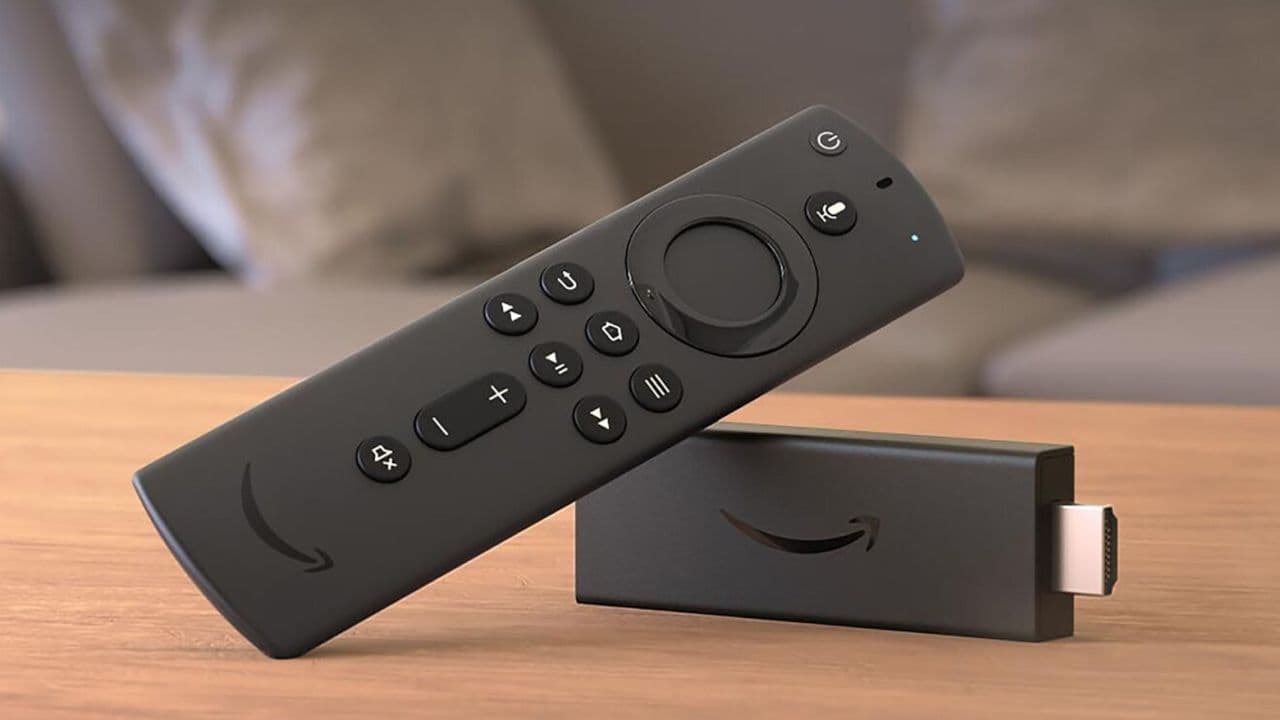
Amazon has officially prohibited sideloading on its Fire Stick devices, transitioning from Fire OS to the newly launched Vega OS. This decision, driven by security concerns, signals a significant shift in how Amazon manages app installations on its streaming devices. As user safety comes to the forefront, this move could reshape user behavior and industry standards in streaming technology.
The technical shift from Fire OS to Vega OS introduces a tighter ecosystem, restricting the installation of third-party applications outside of the Amazon Appstore. This is primarily due to vulnerabilities associated with sideloading, which can expose devices to malware and unauthorized access. Vega OS employs enhanced security protocols, such as sandboxing and improved app permissions, to safeguard user data, signaling Amazon's commitment to a secure user experience. This transition is backed by Amazon's extensive cloud infrastructure, ensuring updates and security patches are delivered seamlessly to users.
This move places Amazon in a competitive landscape where user security is paramount. Companies like Roku and Apple have long emphasized secure app ecosystems, and this shift positions Amazon to align with these norms. According to recent market analysis, the global streaming device market is projected to reach $10 billion by 2026, underscoring the importance of maintaining consumer trust through enhanced security measures. Amazon's decision could influence other manufacturers to reconsider their app distribution strategies, potentially leading to industry-wide shifts.
In the context of the Indian tech ecosystem, Amazon's decision may reshape the behavior of local developers and streaming service providers. With an increasing number of Indian consumers relying on streaming devices, the emphasis on security could lead to collaborations with local app developers to create more secure applications within the Amazon Appstore. Additionally, Indian startups focusing on cybersecurity may see a surge in demand for solutions that can integrate with platforms like Vega OS, fostering innovation in the local tech landscape.
Key Highlights
- Amazon prohibits sideloading on Fire Stick to enhance security.
- Vega OS features improved app permissions and sandboxing.
- Streaming device market expected to hit $10 billion by 2026.
- Consumers benefit from enhanced security and reliable app access.
- Look for further enhancements to Vega OS in upcoming updates.
Real-World Impact
The immediate effects of this decision will impact developers and users alike. Developers who previously relied on sideloading to distribute apps may need to adapt their strategies to align with Amazon's new policies. Users, particularly those concerned about device security, will find reassurance in Amazon's commitment to protecting their data through a more controlled app environment. Additionally, content creators may need to adjust their distribution methods to comply with the new system.
Why This Matters
This strategic decision reflects a broader industry trend toward prioritizing user security over unrestricted access. For CTOs and developers, it highlights the necessity of incorporating robust security measures into applications and platforms. Businesses must now consider the implications of centralized app distribution and the potential need for compliance with evolving security standards.
As Amazon continues to refine Vega OS, a key area to watch will be how this affects third-party app development and distribution. The tech community will be keen to see how these changes influence user adoption rates and competitive tactics across the streaming device market.
Found this useful? Share it!