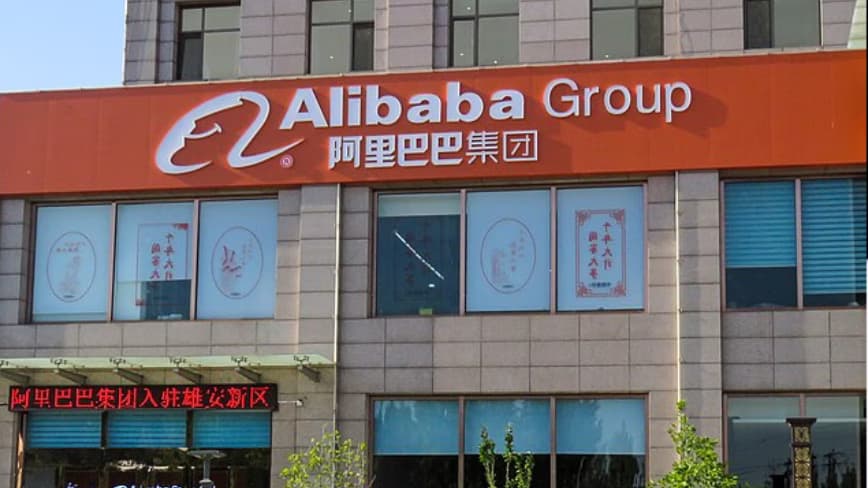
Alibaba will ban employees from using Claude Code in workspace environments from July 10 due to alleged security risks involving embedded backdoors, a source familiar with the matter said.
Key Insights
10 editorial insights.
Alibaba's ban on Claude Code highlights the urgent need for companies to prioritize cybersecurity when integrating AI tools into their operations. As organizations increasingly adopt AI-driven solutions to enhance productivity, they must ensure that these tools do not compromise sensitive data, reinforcing the importance of stringent security protocols.
The decision to prohibit Claude Code usage signals a growing trend among tech giants to scrutinize the security implications of third-party AI tools. Companies like Microsoft and Google are also reassessing their software integrations, indicating that vigilance against potential vulnerabilities is becoming a critical aspect of corporate strategy in the tech landscape.
The ban on Claude Code serves as a wake-up call for developers and enterprises that rely on AI for coding assistance. This incident underscores the risks associated with machine learning models, which, while enhancing productivity, may inadvertently introduce security weaknesses that could be exploited by malicious actors.
As Alibaba takes a firm stance against Claude Code, it reflects the broader industry shift towards prioritizing data integrity over convenience. With cyber threats on the rise, companies are compelled to adopt stricter compliance measures and internal policies to safeguard their digital assets against potential breaches.
The implications of Alibaba's ban extend beyond its immediate impact on Claude Code, as it sets a precedent for other companies to evaluate the security of their AI tools. This trend may catalyze a market shift towards developing more secure AI systems, encouraging innovation focused on trustworthiness and reliability.
In India, where the tech ecosystem is rapidly evolving, the ban on Claude Code may have significant ramifications for startups and established firms alike. Many organizations that have integrated similar tools may now need to reassess their AI strategies, thereby influencing the overall pace of innovation and adoption in the region.
The growing scrutiny over AI tools like Claude Code is indicative of a broader paradigm shift within the industry, where security considerations are becoming paramount. Organizations are now tasked with not only improving efficiency with AI but also ensuring that these advancements do not compromise the safety of their digital environments.
As enterprise reliance on AI tools increases, the need for robust security measures becomes even more crucial. Alibaba's proactive approach to banning Claude Code reflects an understanding that any vulnerability within AI applications could lead to significant data breaches, highlighting the importance of rigorous testing and validation processes.
This incident serves as a reminder that even cutting-edge solutions can harbor security risks that threaten organizational integrity. Companies are now realizing that adopting AI tools like Claude Code requires a careful balance between leveraging technology for efficiency and maintaining stringent security standards.
The decision by Alibaba may prompt other organizations to conduct audits of their AI tools, potentially leading to a wave of bans and restrictions across the industry. This could reshape the competitive landscape, as companies that prioritize security may gain a strategic advantage in an increasingly cautious market.
Alibaba has announced a ban on the use of Claude Code in workplace settings effective July 10, citing serious security concerns related to potential backdoors. This decision underscores the growing scrutiny over AI tools in enterprise environments and highlights the risks associated with third-party integrations. As companies increasingly rely on AI for productivity, the implications of this move are significant for both developers and users.
Claude Code, an advanced AI coding assistant, leverages machine learning models to enhance developer productivity by automating code generation and debugging tasks. However, the recent concerns about embedded backdoors suggest that the tool could potentially expose sensitive company data to unauthorized access. This decision from Alibaba reflects a broader trend where tech companies are reassessing the security of AI solutions, leading to stricter compliance and internal policies that prioritize data integrity.
This incident is part of a wider industry trend where major tech players are grappling with security vulnerabilities in AI tools. Following similar concerns, companies like Microsoft and Google have ramped up their internal evaluations of third-party software, particularly in light of escalating cyber threats. The market is witnessing a shift towards building more secure AI systems, prompting startups and established players to innovate around safety and trustworthiness.
In India, the ban on Claude Code could impact numerous tech firms that rely on AI tools for software development. Companies like Infosys, TCS, and numerous startups may need to revisit their AI integration strategies, considering the potential risks involved. With the Indian tech ecosystem rapidly evolving, businesses must ensure that security protocols are robust enough to mitigate any vulnerabilities that could arise from third-party AI solutions.
Key Highlights
- Alibaba prohibits Claude Code in workplace environments effective July 10.
- Concerns focus on potential embedded backdoors in AI tools.
- The move reflects a growing emphasis on enterprise security; similar trends observed across major tech companies.
- Indian tech firms must adapt their practices to prioritize security amidst rising threats.
- Expect heightened scrutiny on AI tools and potential regulatory changes in the coming months.
Real-World Impact
The immediate repercussions of this ban will affect software developers and security teams at Alibaba and its partners. Job roles focused on software development, cybersecurity, and IT administration may need to adjust their workflows to comply with this new policy. Additionally, companies using Claude Code or similar tools may face disruptions as they reassess their AI dependencies and security measures.
Why This Matters
This ban signifies a critical shift towards prioritizing security in AI deployments across enterprises. For CTOs and developers, this means an increased focus on assessing the security implications of integrating third-party AI tools. Strategic evaluations of software solutions will become paramount to safeguard sensitive data and maintain operational integrity.
As the tech landscape evolves, the scrutiny of AI tools will likely intensify. Keep an eye on how other companies respond to security challenges and whether regulatory frameworks emerge to address these risks. The future of AI in the workplace hinges on balancing innovation with security.
Found this useful? Share it!