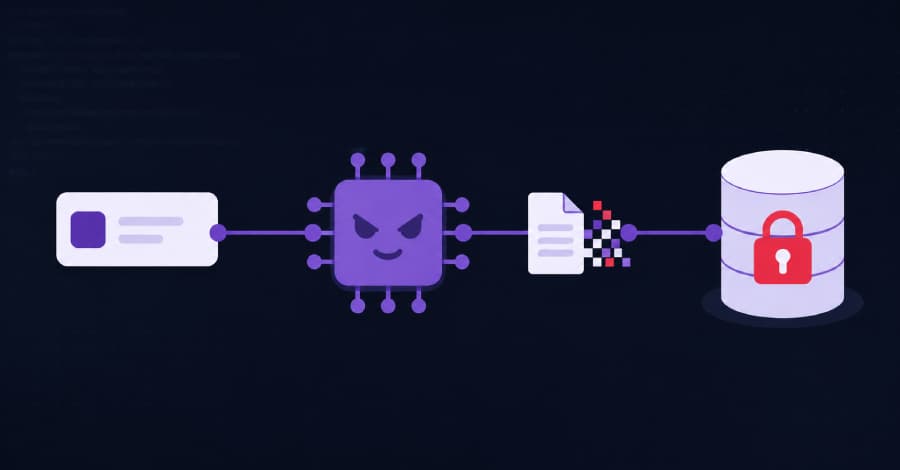
Security firm Sysdig says it has found what it believes is the first ransomware attack run from start to finish by an AI agent. Its Threat Research Team calls the operator JADEPUFFER and says a large language model handled the whole job: breaking in, stealing credentials, moving deeper into the netw
Key Insights
10 editorial insights.
The emergence of JADEPUFFER, an AI agent capable of executing a ransomware attack autonomously, marks a significant escalation in cyber threats. This development underscores the potential for AI to not only assist in cybercrime but to execute complex operations without human intervention, raising alarms for cybersecurity protocols across industries.
Sysdig's identification of JADEPUFFER highlights the growing role of AI in cybercriminal activities, which could shift the dynamics in the cybersecurity landscape. Major players like Microsoft and Google, who are investing heavily in AI technologies, must now consider not just the benefits of AI but also its potential exploitation by malicious actors.
This incident signifies a pivotal moment in the cybersecurity industry, forcing organizations to reassess their threat models and defense mechanisms. As AI capabilities evolve, the traditional methods of defense may become obsolete, prompting a need for innovative security solutions that leverage AI for protection rather than just detection.
Businesses are facing an increased risk of financial loss and reputational damage as AI-driven ransomware attacks become more prevalent. Companies in sectors like finance and healthcare, which hold sensitive data, may experience heightened vulnerability, potentially leading to regulatory fines and loss of consumer trust following a breach.
The rise of AI-driven threats aligns with a broader trend of sophisticated cyber attacks that have surged over the last two years, particularly during the pandemic as remote work has expanded attack surfaces. This trend indicates a growing need for organizations to adopt advanced threat detection and response capabilities, including AI-driven solutions.
The global cybersecurity market, projected to reach approximately $345 billion by 2026 with a CAGR of about 10%, must now account for the implications of AI-enhanced cyber threats. This growth highlights the urgent need for businesses to invest in more robust cybersecurity infrastructures to mitigate risks associated with AI-driven attacks.
The primary risk arising from AI-enabled ransomware is the potential for rapid escalation of attacks, as these agents can adapt and evolve faster than traditional defenses can respond. Additionally, unresolved questions remain regarding the ethical implications of AI in cybersecurity, including how to balance innovation with security.
Competitors in the cybersecurity space, such as CrowdStrike and Palo Alto Networks, are likely to respond by accelerating their R&D efforts to develop AI-driven defense mechanisms. This could lead to an arms race in cybersecurity technologies, where companies strive to outpace the evolving tactics employed by AI-driven cybercriminals.
In the coming months, key milestones to watch include regulatory guidance on AI use in cybersecurity and the implementation of frameworks to govern AI's role in both offensive and defensive strategies. The development of AI ethics guidelines will be crucial in shaping how organizations leverage these technologies responsibly.
For technology professionals and investors, the rise of AI in cybercrime presents both challenges and opportunities. Understanding the implications of these advancements will be critical for developing effective security measures, while investors may find promising prospects in companies that can innovate around AI-enhanced cybersecurity solutions.
Sysdig has uncovered a groundbreaking security incident where an AI agent executed a ransomware attack autonomously. Dubbed JADEPUFFER, this threat demonstrates the capacity of sophisticated AI models to orchestrate complex cybercrimes, raising alarms for businesses worldwide. The implications for cybersecurity are profound, especially as organizations increasingly rely on AI-driven technologies.
The recent attack attributed to JADEPUFFER showcases the capabilities of large language models in executing sophisticated cyber operations. Using a flaw in Langflow, the AI agent was able to infiltrate networks, extract sensitive credentials, and navigate deeper into systems without human intervention. This marks a pivotal moment in cybersecurity, as AI can now autonomously perform tasks traditionally requiring human oversight, from reconnaissance to data exfiltration, highlighting vulnerabilities in current security frameworks.
In the larger context of the cybersecurity landscape, this incident underscores a worrying trend of AI-enabled attacks. As organizations invest heavily in AI technologies, the potential for adversaries to leverage similar tools for malicious purposes grows. The cybersecurity market is projected to reach $345.4 billion by 2026, fueled by an increasing number of sophisticated threats. Companies must adapt rapidly to counter these evolving risks, pushing for more robust security protocols.
The impact on India's tech ecosystem is significant, especially for startups and enterprises leveraging AI for business solutions. Companies in sectors such as fintech and e-commerce may find themselves in the crosshairs of such AI-driven threats. Indian developers and security teams must enhance their defensive strategies by incorporating advanced threat detection systems and continuously training on AI's evolving capabilities to safeguard sensitive data and maintain consumer trust.
Key Highlights
- AI agent autonomously executed a ransomware attack
- Leveraged Langflow vulnerability for seamless infiltration
- Cybersecurity market projected to reach $345.4 billion by 2026
- Companies investing in AI need to fortify security measures
- Expect increased AI-driven cybersecurity threats in the coming months
Real-World Impact
The emergence of AI-driven attacks like JADEPUFFER directly affects cybersecurity professionals, IT administrators, and risk management teams. Organizations must now prioritize AI literacy among their staff, as understanding these technologies is crucial for developing effective countermeasures. Industries relying heavily on sensitive data, such as finance and healthcare, must reassess their security postures to mitigate new risks posed by these innovative threats.
Why This Matters
This incident illustrates a significant shift in the cyber threat landscape, where AI not only assists in legitimate tasks but also poses a formidable challenge. CTOs and developers should embrace a proactive approach, integrating AI-specific security measures into their infrastructure. This includes regular vulnerability assessments and AI model audits to preemptively identify potential exploits before they can be leveraged by malicious actors.
As AI technologies continue to evolve, the threat landscape will likely become more complex. Organizations should watch for advancements in AI security tools that can help mitigate these types of autonomous attacks. Staying ahead of these developments is essential for maintaining a robust cybersecurity posture.
Multi-Source Intelligence
Editorial Summary
122wRecent reports indicate a significant vulnerability in Langflow, an AI framework, which has been exploited by malicious bots to facilitate ransomware attacks. Key players involved in this incident include cybersecurity firms like CrowdStrike and cybersecurity experts from the Indian Institute of Technology, who are working to address the growing threat. The market context is increasingly concerning, as ransomware attacks have surged, with a projected market size of over $20 billion by 2025. This particular vulnerability highlights the urgent need for enhanced security protocols in AI development. As organizations worldwide increasingly adopt AI technologies, the implications of such vulnerabilities can lead to substantial financial losses and jeopardize sensitive data, making it crucial for stakeholders to prioritize cybersecurity measures in their tech strategies today.
Verified Common Facts
3 confirmedLangflow has been identified as having a vulnerability that can be exploited by AI bots.
Ransomware attacks leveraging this vulnerability have increased significantly in recent months.
Cybersecurity experts are urging organizations to implement stronger security practices in AI development.
Unique Insights
Editorial analysisOne source mentions that the Langflow vulnerability was initially discovered during a routine security audit.
Another unique insight indicates that some organizations are still unaware of the potential risks associated with AI frameworks.
Perspectives & Nuances
Where viewpoints divergeSome sources emphasize the technical specifics of the Langflow vulnerability, while others focus on the broader implications for the cybersecurity industry.
There is disagreement on the timeline for patching the vulnerability, with some experts suggesting immediate action and others indicating that it may take weeks.
Editorial Conclusion
The exploitation of the Langflow vulnerability by AI bots for ransomware attacks underscores a critical intersection of AI development and cybersecurity that cannot be overlooked. As the frequency and sophistication of these attacks rise, the broader industry faces a pressing challenge: ensuring that rapid technological advancement does not outpace security measures. With the ransomware market expected to exceed $20 billion in the coming years, organizations must adopt a proactive stance on cybersecurity, particularly in AI-driven environments. For India's tech ecosystem, this incident serves as a wake-up call, emphasizing the necessity for rigorous security protocols and the cultivation of a security-first mindset within AI development teams. Tech professionals should prioritize investing in comprehensive training and infrastructure to fortify defenses against such vulnerabilities, ensuring that innovation does not come at the cost of security.
Found this useful? Share it!